

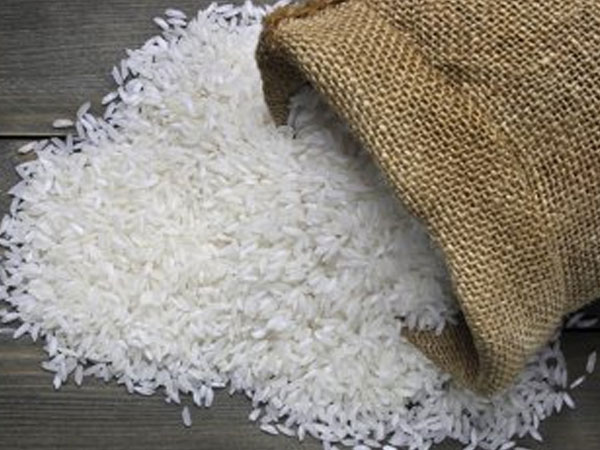
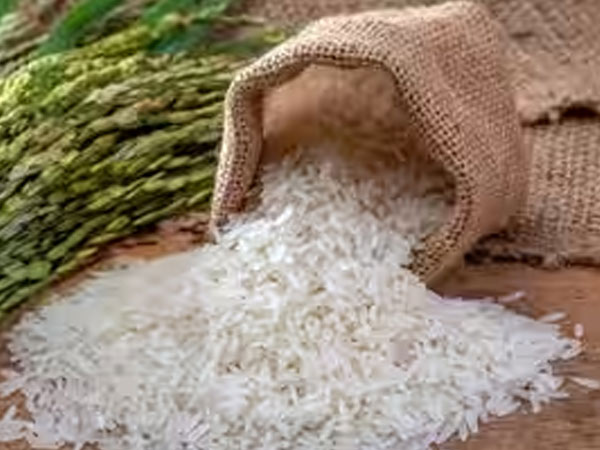
 With rice feeding nearly 800 million people in India every day, the Telangana government is looking to transform the state into a global rice hub, given its massive rice production and high domestic consumption.
With Telangana’s annual rice production exceeding 300 LMT (lakh metric tonnes) across the Kharif and Rabi seasons for the financial year ending March 2026, exports to countries in the Indian subcontinent and South-East Asia are being actively evaluated, sources in the Irrigation and Civil Supplies ministry told ThePrint. Given that these countries boast exceptionally high per-capita rice consumption, with the food grain forming the foundation of their local cuisine, the Revanth Reddy-led government is confident of handling large shipments.
Despite leading the country in production and procurement, the state’s domestic consumption is only 36 LMT per annum, prompting the government to explore global and interstate export markets.
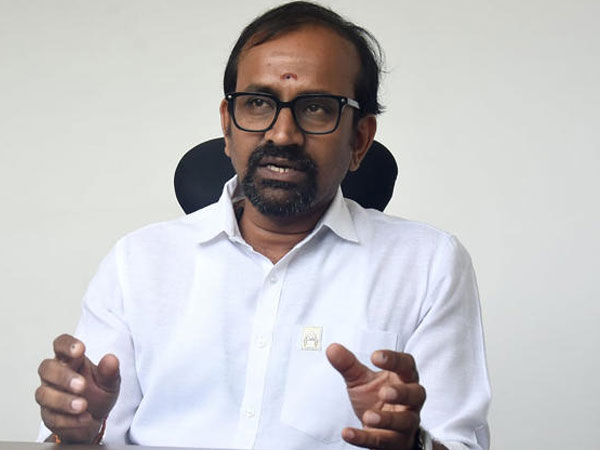
“Telangana has to explore new markets both outside the state and outside the country. The Food Corporation of India is buying just for the sake of the farmers, but not for exports. So, now we are going to come up with a new initiative to go forward with exports,” N. Uttam Reddy, Minister for Irrigation and Civil Supplies, said Monday.
To enable this, the state government is working on its new rice export policy. Many structural and financial incentives are being introduced to support industries meeting export quality standards, including speedy approvals and necessary clearances. The draft policy is awaiting cabinet clearance and is expected to be announced after a meeting on 2 July with the chief minister.
“The Telangana Government is preparing a dedicated strategy to encourage rice exports and support value-added products that can increase returns for farmers and rice millers. We are now the country’s leading state in both rice production and procurement, and have begun exporting rice to the Philippines,” the irrigation minister said.
The first consignment to the Philippines was sent through the Kakinada Port in Andhra Pradesh. Telangana is also exploring the possibility of shipping rice through the container port from Maharashtra, sources said.
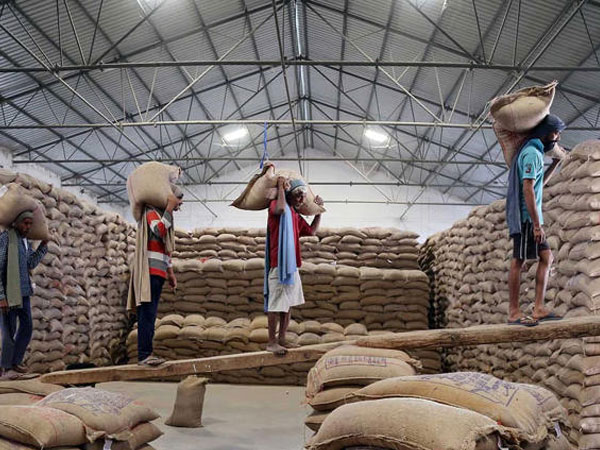
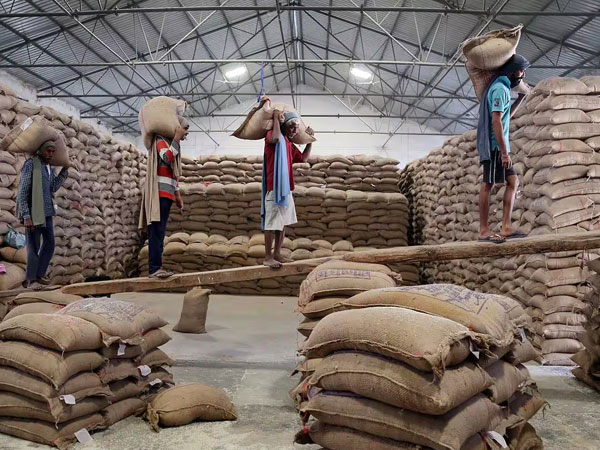
The minister further highlighted the export policy push in the context of Telangana’s extraordinary procurement performance. In the just-concluded Yasangi (Rabi) season alone, the state procured 81 lakh metric tons of paddy—a figure he contrasted sharply with neighbouring Andhra Pradesh, which procured 25 lakh metric tons despite being a larger state geographically.
Andhra Pradesh was among the largest rice producers in the country before the state’s bifurcation in 2014, and was considered the rice bowl of India.
Vision for value addition, innovation and exports
Telangana’s record procurement achievements have been made possible by sustained investments in irrigation infrastructure, including modernisation of several irrigation projects. These have brought large areas under assured cultivation, boosted yields, and enabled the state to consistently surpass central procurement targets even as farmers’ interests were protected.
The move to enhance exports is designed to reduce over-reliance on central procurement agencies, and enable the state to capitalise on its massive production scale through value addition and direct exports.
Suggesting that millers, retail firms, and paddy cultivators adopt a future-oriented approach, the minister called for innovative ideas and competition in the sector, noting that products like multi-vitamin rice would help address health and nutrition concerns that increasingly influence consumer choices—both domestically and internationally.
As part of the new policy, the state is also inviting large investments in modern grain storage infrastructure, including steel silos, automated storage systems, AI-based grain monitoring and digital inventory management. Future processing units focusing on reducing water consumption, recycling water, improving environmental sustainability and nutrition-focused rice processing are other aspects of the policy, sources privy to the matter told ThePrint.
Uttam Reddy advised entrepreneurs to plan sales not only within Telangana, but also to aggressively target markets outside the state, reiterating the government’s commitment to supporting the people of the state through progressive agricultural and food-processing policies.
He assured that the government would fully support millers and businesses that follow basic norms and quality standards. “The government of Telangana will be with you,” he said, adding that necessary permissions would be facilitated smoothly for genuine players looking to expand beyond domestic markets.
The state has extended timely financial support to the farming community through the Rythu Bharosa scheme, where farmers are given Rs 12,000 as an incentive annually. Combined procurement across Kharif and Rabi seasons has further cemented Telangana’s position as a leading rice-producing state in the country.




© Copyright 2025 The SSResource Media.
All rights reserved.