

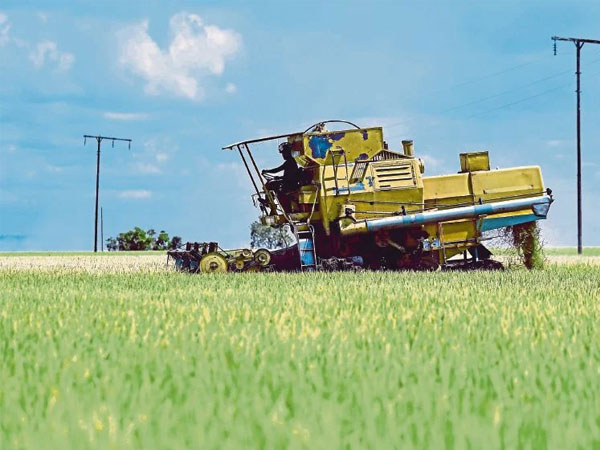
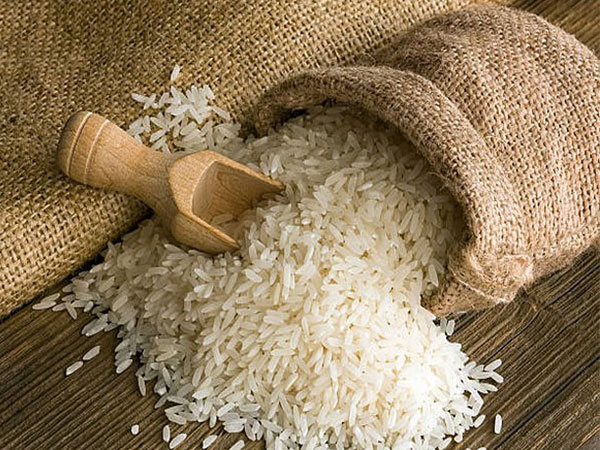
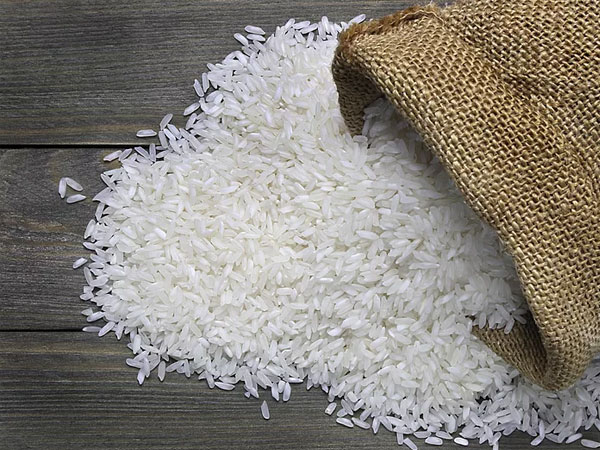
 RICE is a strategic crop, and no two ways about it for this country. Malaysians like most Asians consume rice twice daily. Not only that rice is also major content of the goodies they make for many of their festivities.
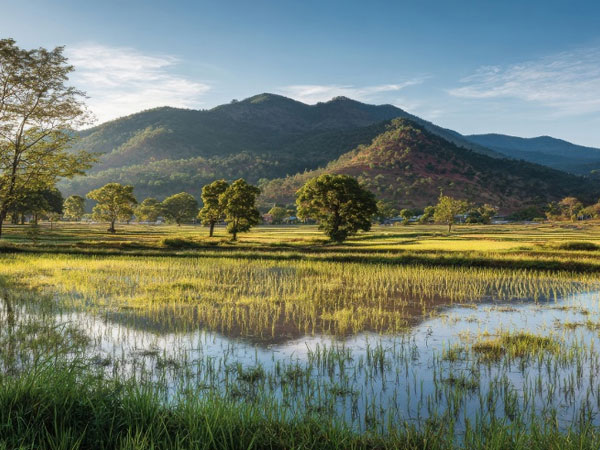
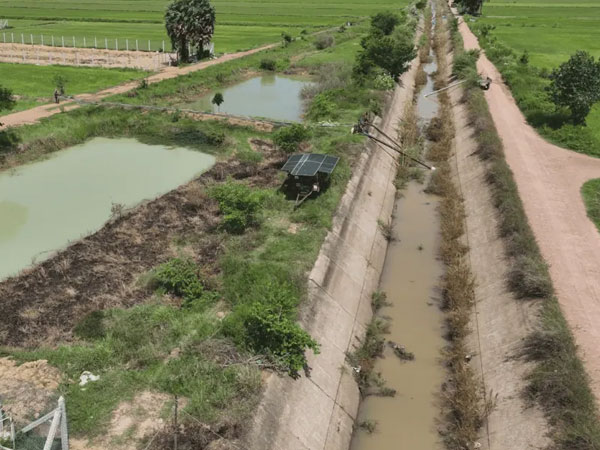
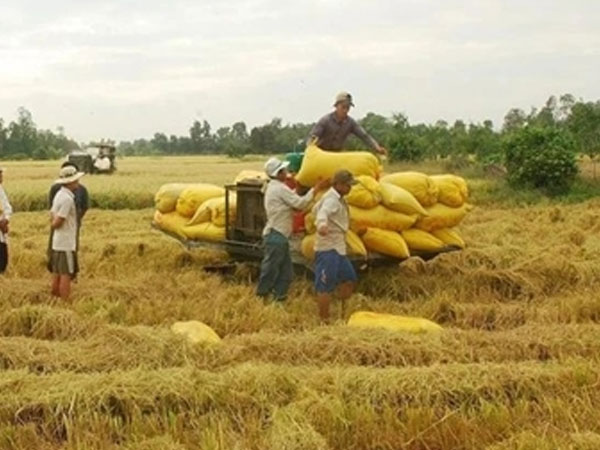
Realising this importance, Malaysia made great efforts to irrigate major rice growing areas so as to allow double cropping in the 70's such as in Muda area, Sekinchan in Selangor and Kemubu in Kelantan.
Interestingly other smaller areas are freed to be used for other purposes like industrialisation, such as the padi growing areas in Penang.
We are now about 70-75 per cent self sufficient in rice. The remainder is mainly imported from the neighbouring countries. For this purpose, Bernas, a private company was given the licence to import rice.
Of late there is a rising concern for food security in several countries, and Malaysia is no exception. Understandably the fear of climate change makes the concern more pertinent as a long term issue.
It is interesting to note that the apparent shortage of rice could be due to several reasons which may include the basis for estimation of the national requirement.
We have now a significant number of foreigners mainly from Indonesia and Bangladesh, who are great rice consumers too, a factor not brought into calculation when the initial formula for local production and imports were made.
The domestic market structures of rice production, consumption and distribution are not that efficient enough to regulate the domestic pricing mechanism reflecting the complexity of the rice marketing structure which includes the issues of subsidy and rice milling.
It is also a known fact that there is rice smuggling along the border areas brought about by marked price differential between our domestic price and the prices in the surrounding countries.
This adds to the costliness of our rice self sufficiency policy because the borders need police patrols to ensure there is little cross border smuggling.
The latter cost is indirect often not visible to the eyes of project planners. This aspect can be significant given our extensive borders which are quite porous too.
Maybe it's now time to reflect all the variables and determinants of the rice industry to warrant the designing of an entirely new rice production policy that can be relevant for another decade or so and having regard for the climate factor too.
In any revision of the rice policy one may also have to take note our cultural context.
Why Asians rely so much on rice as our source of carbohydrate. This need to be tempered because there are many other sources of carbohydrate such as tapioca, sweet potatoes, sago and maize which can be readily grown locally.
We may want to be open to other models too. Singapore, our neighbour, is self sufficient in rice too. What formula does it ascribe too knowing that they have not an inch of rice producing area.
They could have made long term purchase and guarantee arrangements with the suppliers from the region or elsewhere. We should not shy away from learning from their model if need be.
Reflecting on other perspectives of the policy, we may want to know what happen to the previous areas of paddy production? Could they be used for other food production?
Additionally, what ever happened to our R&D activities in the area of paddy and rice production we established in the 70's and 80's?
We also want to know what progress has been made to researches on hill or dry padi (padi huma) once prevalent in Sarawak and Sabah. They should equally deserve policy attention in our endeavour to strengthen our rice sufficiency or food security policy stance.
On the broader picture, we may want to know the various agriculture R&D institutions such as MARDI as to how much have they been successful in preparing the nation to face any eventuality of rice or food shortages in the future.
Like we said in the beginning, rice is a strategic crop and will remain so for decades to come unless we change our food habits.
I am sure the above questions are in the minds of our authorities. However, be that as it may, let it be equally emphasised that the rakyat must also be made more conscious on the food security matters and the need for them to be prepared.
The little they can do is to use their otherwise untilled land to plant with some food crops for home consumption and to avoid food wastages. These are immediate low lying fruits.




© Copyright 2025 The SSResource Media.
All rights reserved.