

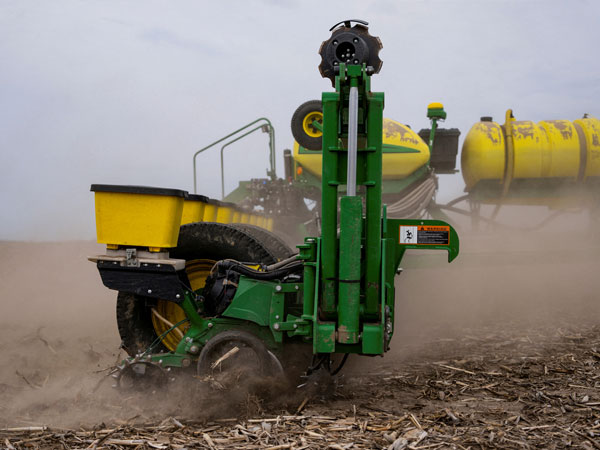
 Global food prices are feared to rise sharply as a super El Niño phenomenon compounds an already rising trend in crop production costs driven by surging energy prices from the Iran war. Economists warned that this year's super El Niño could deal a severe shock to global food prices, and that the phenomenon may persist through 2028.
El Niño, which triggers heatwaves and floods around the world, is a phenomenon in which sea surface temperatures near the equator rise above normal, causing major changes in weather patterns. The U.S. National Oceanic and Atmospheric Administration (NOAA) stated in a report released last month that this year's El Niño had already begun, and that there was a 63% chance it would develop into a super El Niño, with tropical Pacific sea temperatures more than 2 degrees Celsius above normal.
"Coffee, Sugar Could Rise 50-100% or More"
According to the British daily The Guardian on the 12th, Goldman Sachs analysts forecast that this year's super El Niño could push global food prices up 15.8%. Because sowing, cultivation, and harvest timing differ by crop, the food price increases were expected to continue through the second half of 2028.
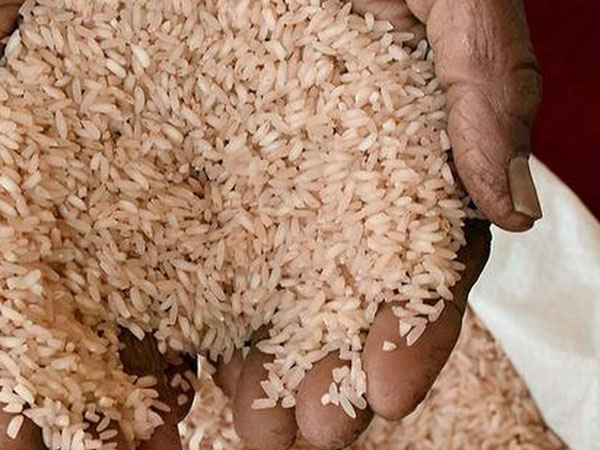
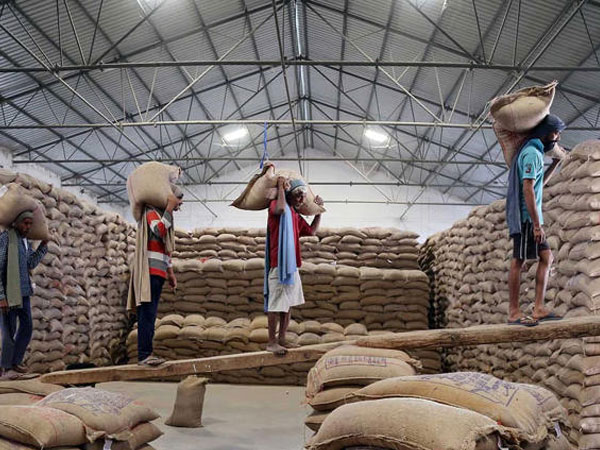
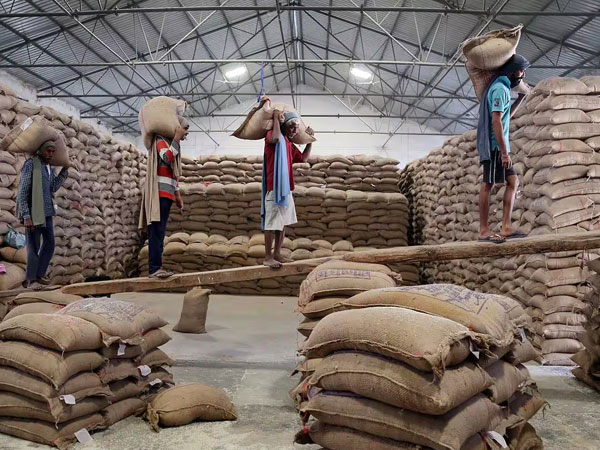
Goldman Sachs analyzed that India, the world's largest rice producer, is already being affected by El Niño. Although India's monsoon (rainy) season has begun, some regions are recording only 25% of normal rainfall, while some areas in central India are seeing rainfall at only about 50% of normal levels. This is likely to affect supplies of rice, wheat, and sugarcane produced in India, with the impact potentially spreading worldwide.
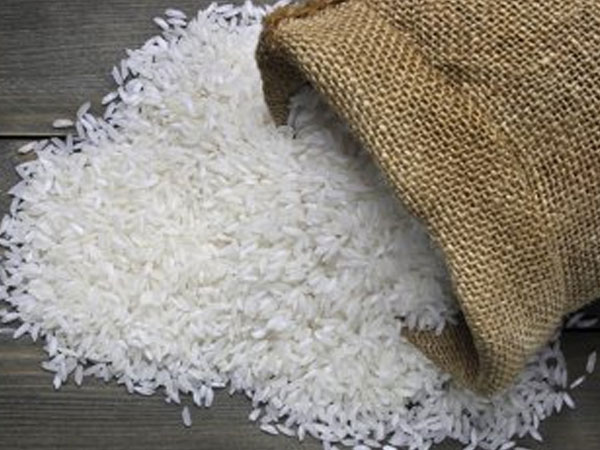
The Italian bank UniCredit also estimated that the super El Niño phenomenon could reduce global agricultural production by 14.3%, causing production losses of $342 billion (about 513 trillion won). UniCredit said, "Prices could rise close to 10 to 50% across key commodities," adding, "In particular, rice, palm oil, sugar, and coffee could surge in price from 50% to more than 100%."
Economic experts diagnosed that households worldwide may find life more difficult due to the super El Niño. The analysis is that rising energy prices combined with the blow to crop production from the super El Niño will further deepen economic hardship.
The Guardian introduced the situation in India from 1876 to 1878 as an example of El Niño dealing a blow to crop harvests and food supply chains. At the time, fatal droughts caused by El Niño occurred in India as well as China, South Africa, Brazil, and Egypt. In India, where conditions were poor under colonial rule, more than 6 million people died from famine caused by the drought.
One-Third of Fertilizer's Key Feedstock 'Urea' Comes from the Middle East... Prolonged Iran War Casts 'Dark Clouds'
The Iran war, which began in February this year, is shaking up global core supply chains and sending prices soaring for energy and fertilizer, the two essential inputs for agriculture.
The Middle East region is responsible for about one-third of the world's total urea exports. According to the International Food Policy Research Institute (IFPRI), it is estimated that about 3.9 million tons of export volume, equivalent to 30% of Gulf countries' annual fertilizer exports, have been tied up since late February. Most production facilities in the region have sharply lowered their operating rates to prevent excessive inventory buildup.
Urea fertilizer can generally be stored for several months, but its quality rapidly deteriorates when exposed to the Middle East's characteristically hot and humid climate. In addition, once a fertilizer plant halts operations, restarting typically takes five to eight weeks, and if a facility suffers structural damage such as destruction, recovery may take years. Currently, suppliers from other countries are partly filling the export gap in the Gulf region, but at much higher premium prices. The Strait of Hormuz is one of the global energy arteries. If the strait is blocked, costs for fuel, logistics, irrigation energy, farm machinery operation, and financing would spike in a chain reaction, in addition to fertilizer. The longer the conflict drags on and the strait remains closed, the more the risk to global agriculture is expected to grow exponentially. If the pessimistic scenario materializes in which the conflict is prolonged and restrictions on ship traffic through the Strait of Hormuz persist, this fertilizer crisis could be extended through 2028, IFPRI forecast.
In fact, since the outbreak of the conflict, energy and transportation costs have risen significantly, noticeably accelerating the rise in global consumer prices. According to the Organization for Economic Cooperation and Development (OECD), the overall consumer price index (CPI) in developed countries has risen about 2.5% since the conflict, bringing the annual inflation rate close to 4.2%. For low- and middle-income countries (LMICs), the situation is more serious, with CPI rising about 3.6% since the conflict and the average annual inflation rate soaring to 7.8% as of April.
On top of this, low-income countries dependent on food imports face a financial crisis known as the "dual blow of the dollar." Not only do global commodity prices surge in U.S. dollar terms, but the value of the dollar, a safe-haven asset, also rises alongside due to geopolitical instability. As a result, the real prices these countries feel when settling import payments in their own currencies are bound to double.
Humanitarian relief supply chains are also under direct pressure. According to the latest Global Report on Food Crises, as of 2025, about 300 million people worldwide are suffering from severe food insecurity and require emergency aid. However, as rising fuel and commodity prices have halved the real purchasing power of relief funds, the environment these people face is at risk of worsening further. IFPRI expressed concern, saying, "Because the absolute amount of food that can be distributed with limited finances is reduced, the nutritional status of vulnerable groups is bound to become even more dire."



© Copyright 2025 The SSResource Media.
All rights reserved.