

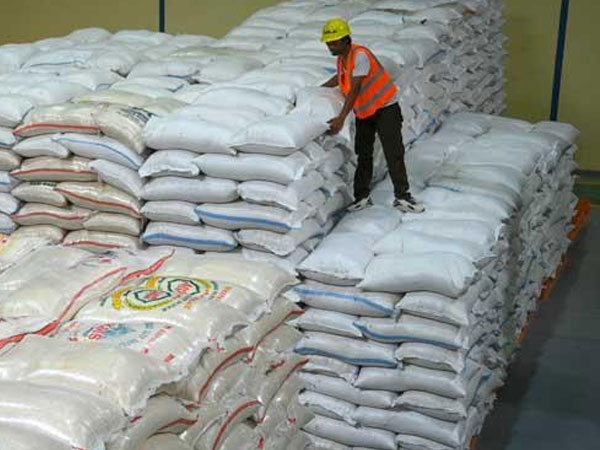
 The Indonesian government has confirmed that it will not import rice or sugar for consumption in 2026, citing stronger domestic production, ample reserves, and continued progress toward food self-sufficiency and sovereignty.
Deputy for Trade and Food Distribution Coordination at the Coordinating Ministry for Maritime Affairs, Tatang Yuliono, said Indonesia’s staple food needs would be met entirely by domestic supply.
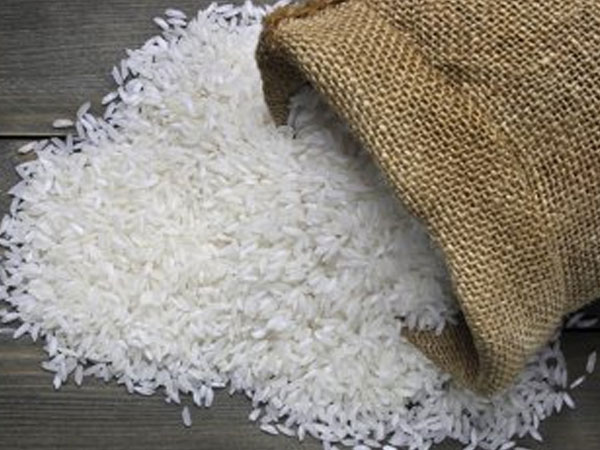
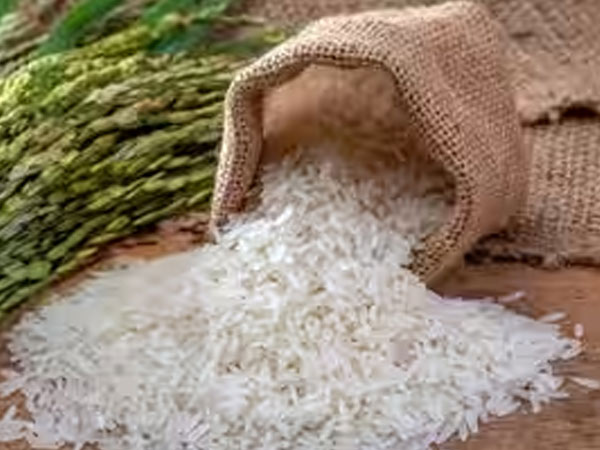
“There will be no imports of sugar for consumption, and there will also be no imports of rice for consumption in 2026. Industrial rice will not be imported either. For consumption, we are almost completely self-sufficient,” Tatang said, as quoted by Antara on Thursday, January 1, 2026.
The decision was finalized during discussions on the 2026 Commodity Balance, led by the Coordinating Ministry for Maritime Affairs. The government agreed to prioritize domestic production to meet demand for strategic staples, including rice, sugar, and feed corn.
Officials stressed that all policy decisions were proposed by business actors and then verified by relevant technical ministries and agencies.
“Hopefully, these decisions will meet all expectations,” Tatang said.
Minister of Agriculture and Head of the National Food Agency (Bapanas), Andi Amran Sulaiman, reiterated the government’s commitment to protecting farmers and breeders under President Prabowo Subianto’s administration.
“Our farmers and breeders must not suffer losses. They must prosper, and the results of their hard work must reach the Indonesian people,” Amran said.
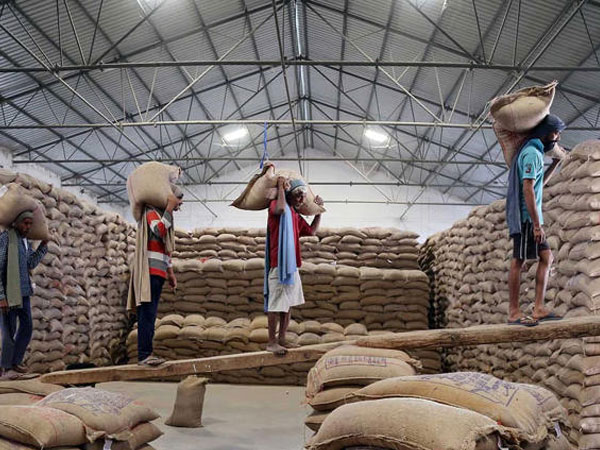
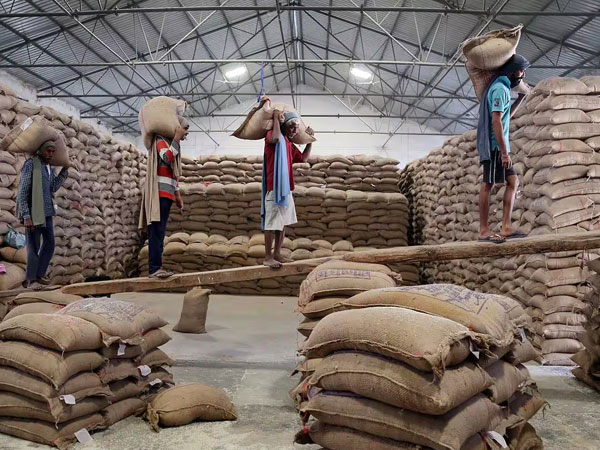
Under the 2026 Commodity Balance, Indonesia will no longer allocate a general rice import quota. This marks a shift from previous years, when state-owned logistics agency Perum Bulog was assigned to import rice to replenish Government Rice Reserves (CBP).
The government also ruled out imports of rice raw materials for industrial use in 2026. In 2025, import quotas had been granted to 13 private companies to supply broken rice and broken sticky rice, each with purity levels below 15 percent, for products such as rice flour and rice vermicelli.
With imports halted next year, businesses are being encouraged to maximize local raw materials. Amran expressed hope that domestic supplies could meet industrial specifications for amylose content, cleanliness, viscosity, and hardness.
Sugar imports for consumption will likewise be suspended in 2026. According to the National Food Balance Projection as of December 28, 2025, Indonesia is expected to carry over 1.437 million tons of sugar from 2025 into 2026.
With annual consumption estimated at 2.836 million tons and domestic production projected to reach between 2.7 million and 3 million tons, officials anticipate a strong supply surplus.
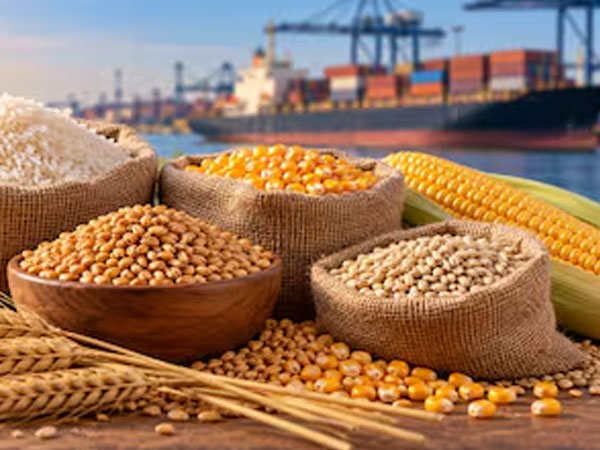
Imports of feed corn, seeds, and household corn are also ruled out for 2026. The national corn carry-over stock from 2025 is projected at 4.521 million tons, despite an estimated deterioration of 831,600 tons. Corn production in 2026 is forecast to reach 18 million tons, exceeding annual demand of around 17.055 million tons.
With these projections, the government maintains that Indonesia’s food supply will remain secure in 2026, even in the absence of imports for key staple commodities.





© Copyright 2025 The SSResource Media.
All rights reserved.