

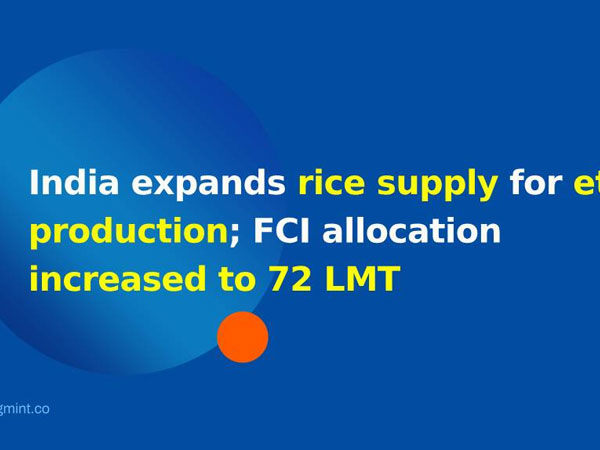
 The Indian government has revised the modalities and standard operating procedures (SOPs) for the sale of Food Corporation of India (FCI) rice to ethanol distilleries under the Open Market Sale Scheme (Domestic) [OMSS(D)] for Ethanol Supply Year (ESY) 2025-26. The move is aimed at streamlining rice allocation, improving lifting efficiency, and supporting the ethanol blending programme through greater feedstock availability.
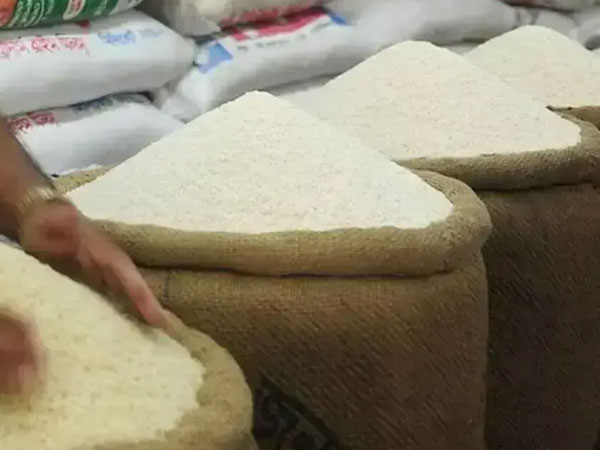
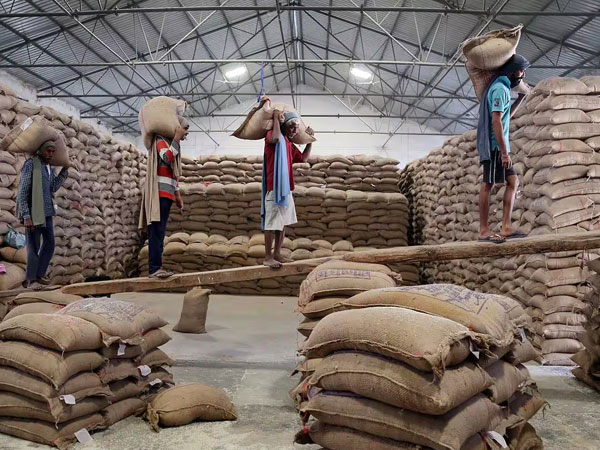
Under the revised policy issued by the Department of Food and Public Distribution (DFPD), the total quantity of FCI rice available for ethanol conversion has been increased to 72 lakh metric tonnes (LMT), including an additional 20 LMT over the previously allocated 52 LMT. The rice will continue to be supplied at a fixed pan-India price of INR 2,320/quintal from 1 November 2025 to 30 June 2026, without any additional transportation charge from the government side.
Priority to old and broken rice
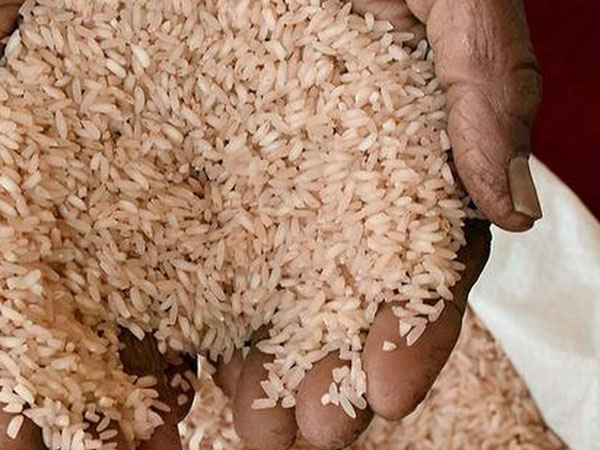
A key change in the revised framework is the emphasis on utilising old and broken rice for ethanol production to the extent feasible. This is expected to help the government manage ageing central pool stocks more efficiently while diverting surplus grain towards ethanol manufacturing.
The revised policy also clarifies that rice procurement for ethanol can be undertaken by distilleries located in both surplus and deficit states, broadening access and enabling more balanced feedstock distribution across the country.
Supply restricted to OMC-linked distilleries
To ensure traceability and end-use compliance, the sale of FCI rice will only be permitted to distilleries that are officially registered with Oil Marketing Companies (OMCs) as ethanol suppliers. Distilleries must submit a valid signed contract with an OMC while applying to their preferred FCI divisional office, which will then allocate a specific depot for rice supply.
The quantity of rice allocated will be linked directly to the volume of ethanol committed by the distillery under its OMC contract. Supply may be made either in a single tranche or in multiple phases depending on operational requirements.
After receiving the rice, distilleries will be required to furnish proof of ethanol supply to the concerned FCI divisional manager through certification from the respective OMC, strengthening monitoring and accountability within the supply chain.
Pre-payment and faster release timelines
The revised SOPs maintain that all rice sales will be conducted strictly on a pre-payment basis, with no provision for credit sales. Once payment verification is completed, FCI has committed to issuing release orders within 24 hours, significantly improving turnaround time for distilleries.
Distilleries will be responsible for arranging transportation from FCI depots and must lift allocated quantities within 10 working days of release order issuance. They are also required to provide advance daily truck movement schedules to depot managers for smoother coordination.
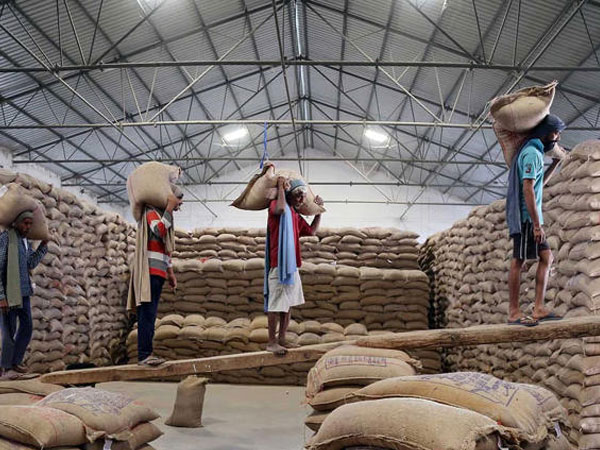
To facilitate timely lifting, FCI depot managers have been instructed to ensure labour availability, including on gazetted holidays and non-working days where feasible. Additional provisions have also been included for rail rake-based bulk supply, allowing large distilleries to receive full rake quantities subject to timely unloading.
Policy support for ethanol blending
The revised rice sale norms underscore the government's continued commitment to supporting India's ethanol blending programme while managing excess grain stocks. With central rice inventories remaining elevated, the expanded diversion of rice to ethanol could help reduce carrying costs and improve stock rotation.
At the same time, the policy provides greater operational clarity for distilleries, which have increasingly relied on FCI rice as an alternative feedstock amid fluctuating maize and damaged grain availability.
Going forward, the pace of rice lifting under the revised framework will be closely watched by both grain markets and ethanol stakeholders, as higher grain diversion could influence domestic rice availability, stock levels, and feedstock economics in the months ahead.







© Copyright 2025 The SSResource Media.
All rights reserved.