

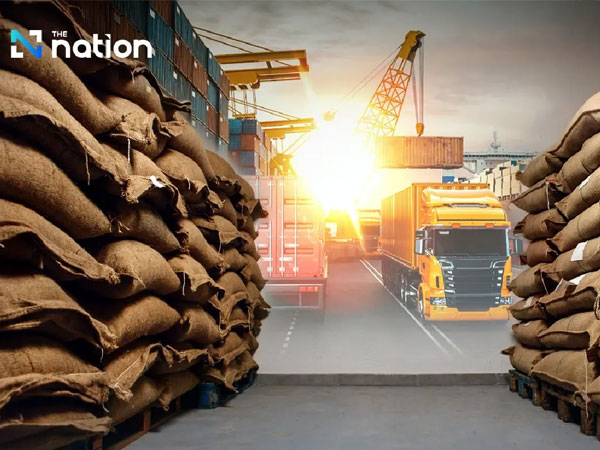
 Thai rice exports are expected to recover in the second half of the year, driven by the Super El Niño phenomenon causing major importing nations to stockpile for food security.
Key importers are significantly increasing their purchases, with the Philippines projected to nearly double its import volume to 6.5 million tonnes and Malaysia tripling its strategic reserves.
The surge in demand has already increased the price of Thai 5% broken rice to approximately $408 per tonne from previous levels of $350–$370.
Despite a slow start to the year, the climate-driven demand is putting Thailand back on track to meet its annual export target of 7 million tonnes.
Major importers scramble for food security as weather risks intensify; the Philippines is expected to double its imports to 6.5 million tonnes.
Thai rice exporters are forecasting a significant recovery in the latter half of the year, driven by the intensifying Super El Niño phenomenon.
As weather patterns threaten global harvests, major importing nations have begun aggressive stockpiling to ensure domestic food security, providing a much-needed boost to Thai export volumes.
Chookiat Ophaswongse, honorary president of the Thai Rice Exporters Association, suggests that while the first four months of the year were sluggish, the outlook has shifted.
Thailand is now back on track to meet its annual export target of 7 million tonnes, despite shipping only 2.2 million tonnes between January and April.
The shift is most evident in the revised procurement policies of key neighbours:
Malaysia has tripled its strategic reserves, moving from a three-month to a nine-month buffer.
The Philippines is projected to import a record 6.5 million tonnes this year—nearly double its usual volume—to mitigate potential crop failures.
This surge in demand has already seen prices for Thai 5% broken rice climb to approximately $408 per tonne, up from previous levels of $350–$370.
Market analysts are closely watching India, the world’s largest supplier. While India’s high stock levels currently act as a price ceiling, a severe El Niño could force the New Delhi government to prioritise its 1.6 billion citizens by restricting exports.
Any such move would likely redirect a massive influx of replacement orders toward Thai mills.








© Copyright 2025 The SSResource Media.
All rights reserved.