

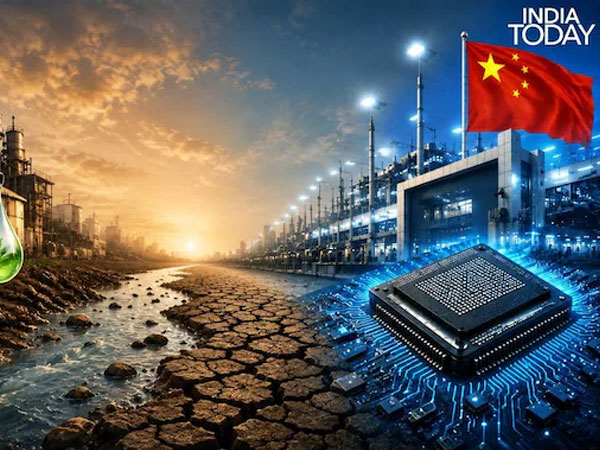
 One is doubling down on the farm, while the other is betting on its factories. That choice may define which nation holds the economic upper hand in the decades ahead.
Asia's two biggest powers are locked in a battle over one of the world's most precious resources, and the strategies they've chosen could not be more different.
India and China are both water-stressed, fast-growing global giants. But when it comes to how each country uses its water, the two have taken sharply divergent paths.
One is doubling down on the farm, while the other is betting on its factories. That choice, analysts warn, may define which nation holds the economic upper hand in the decades ahead.
This story was first published in Hindi on our sister platform Kisan Tak. You can read in Hindi here.
WHAT IS INDIA USING ITS WATER FOR?
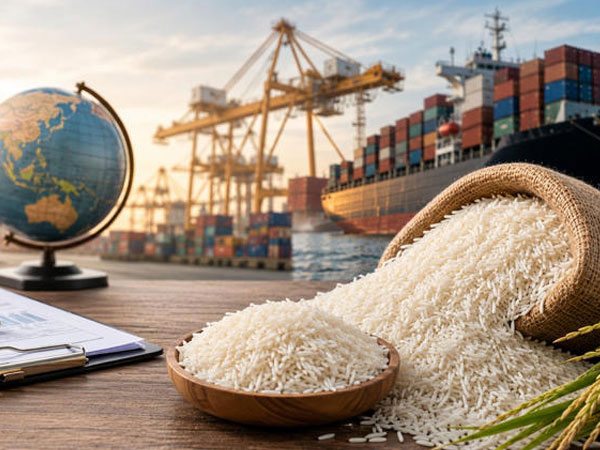
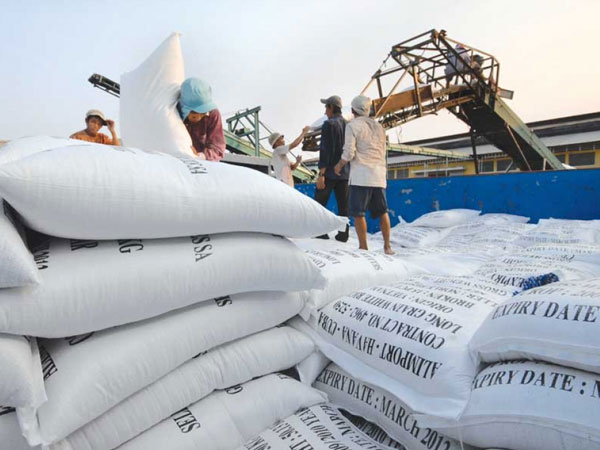
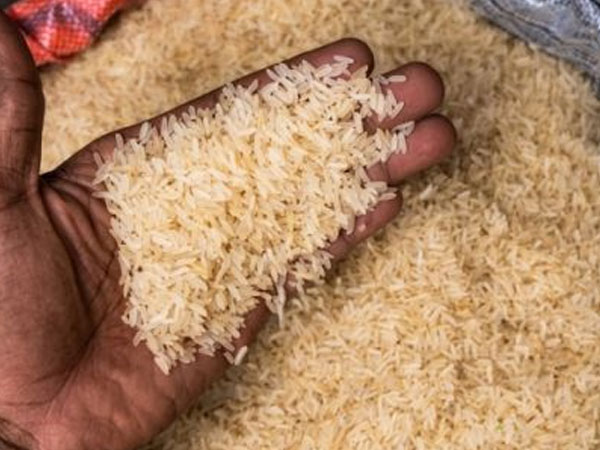
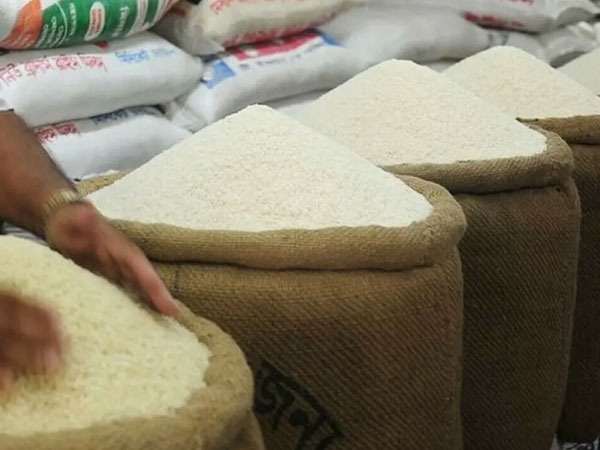
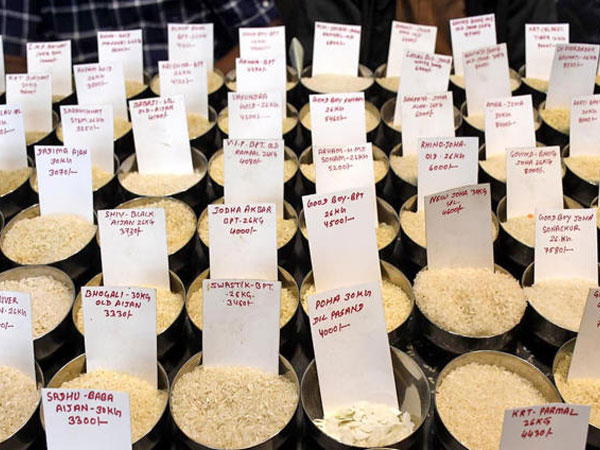
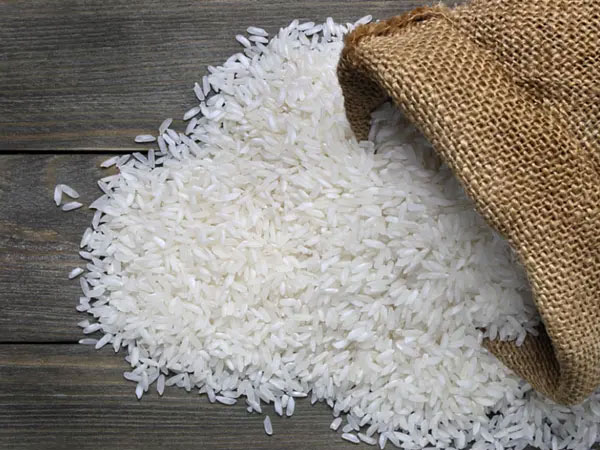
India is now the world's largest producer and exporter of rice, a title it wears with pride.
But the rice output has grown so dramatically that the government has begun converting surplus rice into ethanol, a plant-based fuel blended into petrol to cut India's dependence on oil imports, 90% of which are currently sourced from abroad.
Petrol in India already carries a 20% ethanol blend, and the government has drafted plans to push that to 85%. In 2025, a record 52 lakh tonnes of rice from government reserves was allocated for ethanol production alone.
Furthermore, between 2014 and 2026, ethanol blending has saved India an estimated Rs 1.73 lakh crore in import costs.
The ambition is understandable, but then India's water consumption is equally worrying.
Rice is one of the thirstiest crops on the planet, growing just one kilogram consumes up to 5,000 litres of water. India produced approximately 1,520 lakh tonnes of rice in 2025-26, according to data from the United States Department of Agriculture's (USDA) Foreign Agricultural Service.
India's agricultural sector already consumes 90% of the country's total freshwater, with paddy, sugarcane and wheat alone accounting for 80% of that.
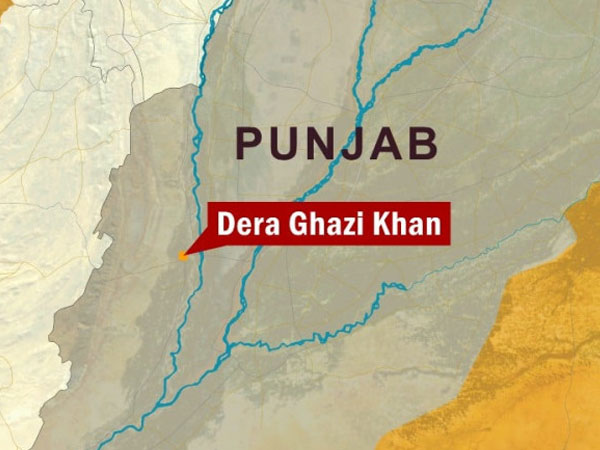
The strain is most visible in Punjab and Haryana, India's primary rice-growing states, where groundwater that was once available 30 feet below ground now requires digging down upto 100 to 200 feet.


© Copyright 2025 The SSResource Media.
All rights reserved.