
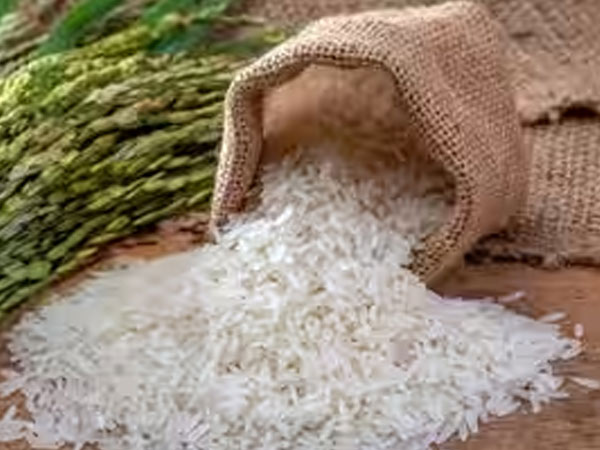
- Thailand's Ayutthaya Rice Research Centre is launching a 50,000-rai pilot project across eight central provinces to establish low-carbon rice production.
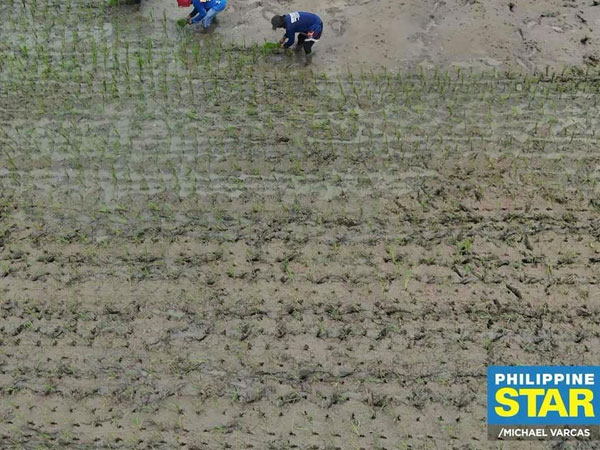
- The initiative employs key techniques like Alternate Wetting and Drying (AWD) to reduce methane emissions, precision fertilization, and residue management to eliminate field burning.
- The project aims to lower the environmental impact of farming while creating new revenue for farmers by tapping into the global carbon credit market and meeting demand for sustainable products.
- If the 2026 pilot is successful, the program plans to expand to 280,000 rai by 2027, solidifying Thailand's position in the green agriculture market.
 Ayutthaya Rice Research Centre targets a 50,000-rai pilot across eight provinces to lower emissions and capture the global carbon credit market.
Thailand's central plains are set to become the frontier for sustainable agriculture as the Phranakhon Si Ayutthaya Rice Research Centre aggressively deploys the Bio-Circular-Green (BCG) Economic Model to pioneer low-carbon rice production.
The state-backed initiative targets a massive 50,000-rai pilot area across eight central provinces, looking to tap into the lucrative international green agriculture market and secure a robust foothold in the burgeoning global carbon credit ecosystem.
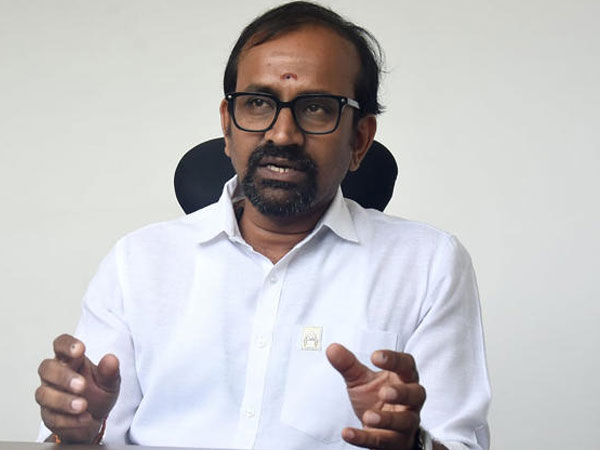
Noppadol Prayoonsuk, director of the Phranakhon Si Ayutthaya Rice Research Centre, announced the strategic roadmap following a high-level consultative meeting held at the Na Hia Chai venue in Suphan Buri Province.
The summit gathered elite agricultural researchers from Ratchaburi, Chachoengsao, Pathum Thani, Prachin Buri, Lop Buri, Roi Et, Phatthalung, Pattani, and Nakhon Si Thammarat, alongside representatives from the National Rice Science Institute and the Rice Protection Research Group.
Technological deployment and resource efficiency
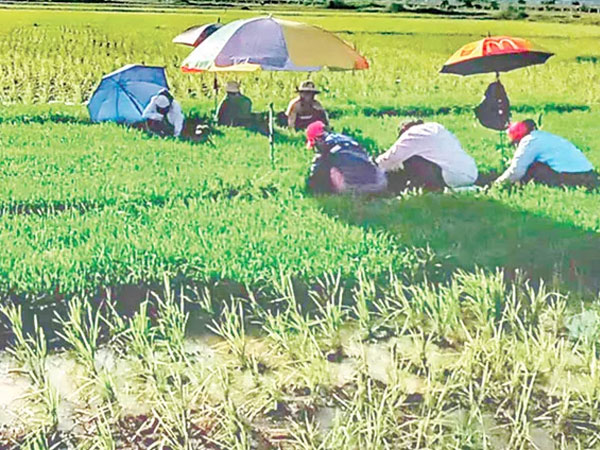
At the core of this eco-friendly agricultural drive is the scaling up of modern farming technologies. Funded by the Thailand Science Research and Innovation (TSRI) and the Agricultural Research Development Agency (ARDA), the project introduces a highly structured methodology to traditional paddy farming.
The campaign focuses heavily on three key interventions:
Alternate Wetting and Drying (AWD): An innovative water management technique that drastically curtails methane emissions.
Precision Fertilisation: Enhancing nutrient efficiency to minimize chemical waste and lower overhead costs.
Residue Management: Systematically processing agricultural waste materials to eliminate field burning.


© Copyright 2025 The SSResource Media.
All rights reserved.