

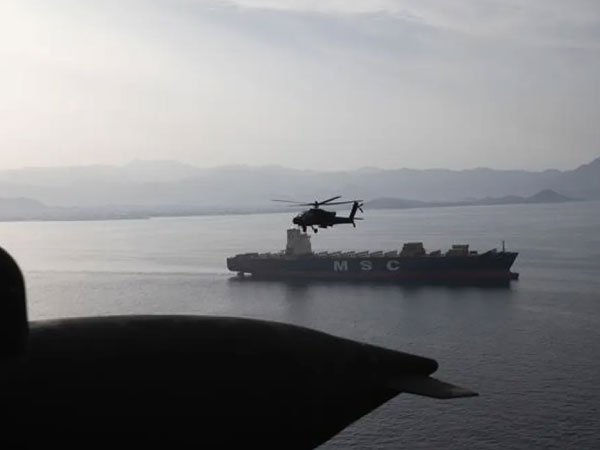
 A powerful El Niño is building at a dangerous moment for global food security. It is arriving as the world is already facing record heat, driven by climate change, and as shipping disruptions in the Strait of Hormuz roil fertiliser markets just as farmers prepare for planting in many regions.
Forecasts suggest this could be one of the strongest El Niños in decades. This year’s El Niño, which is building now and expected to peak in the winter months, is also starting from a hotter baseline, amplified by climate change, making weather extremes more severe and harder to predict. This periodic warming of the central and eastern Pacific Ocean alters weather worldwide.
Past El Niños have seen failed harvests, food shortages and pressure on global markets. What is different now is how precisely we can identify the agricultural areas facing the greatest drought risk during strong El Niños, giving everyone from governments to producers a narrow window to prepare.
New FAO analysis shows where El Niño-linked drought is expected to hit farms and pasturelands hardest, in some places down to the square kilometre. Drawing on more than 40 years of vegetation stress data, historical El Niño impact records and high-resolution geospatial mapping, it gives the ability to identify where losses are most likely to start. For food systems, this is as close as it gets to seeing around the corner.
The risk of agricultural drought – when soil moisture falls below the level needed to sustain crops, pasture or livestock – are greatest in the Sahel, across Southern Africa, in South and Southeast Asia, and in Central America’s Dry Corridor (CADC) and the Caribbean, with some areas facing more than a 50% chance of drought over the coming months.
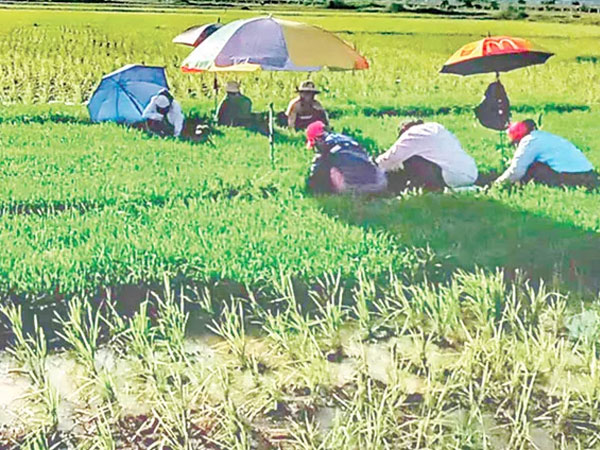
In many areas, farmers are already close to the margin, battered by low rainfall, high heat, poor soils, conflict and chronic hunger. Even a moderate drought can be devastating if it hits during planting or flowering, especially where crops depend on rain and livestock represents a household’s main store of wealth.
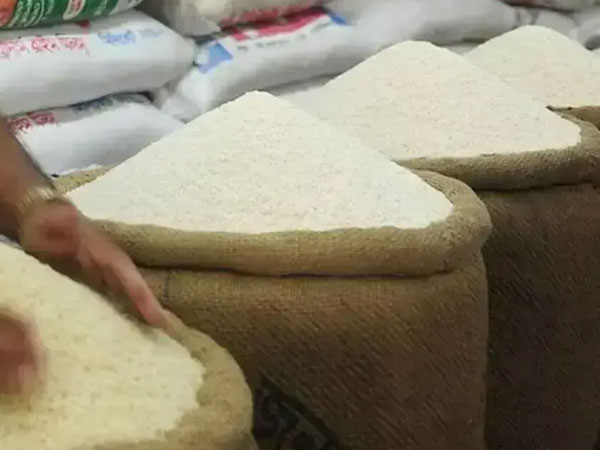
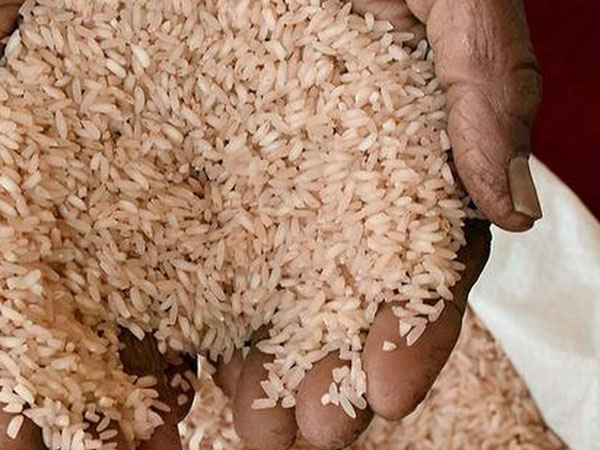
The risks are compounded by rising energy and fertiliser costs, tighter national budgets and cuts to foreign aid. Some areas at risk supply major rice and other staple grain markets, meaning local drought could raise global food prices.
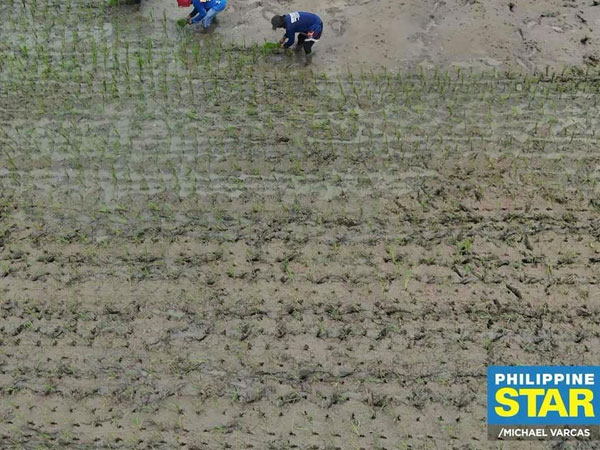
History shows us what is at stake. In the Philippines, the 1997–98 El Niño cut rice production by 27% and maize by 44%. During the 2015–16 event, crop losses there reached an estimated 1.48 million tonnes, valued at $327 million. Globally, the same cycle left more than 60 million people in need and prompted $5 billion in humanitarian appeals across 23 countries.
FAO’s analysis uses carries the lessons of past crises into planning for the next on.
For farmers and pastoralists, early warning means they can delay planting, hold back scarce seed for the next season, choose drought- and heat-tolerant varieties, store fodder, or secure water points along transhumance corridors before shortages begin.
The analysis also changes where support should go first. Instead of spreading resources thinly, governments and development programmes can concentrate assistance in the highest-risk areas, directing cash transfers, irrigation support, livestock feed, seeds and other inputs.
We know this can work because FAO has supported these kinds of climate-resilience measures for years. Ahead of the 2023–24 El Niño, an FAO effort in Central America distributed drought-tolerant seeds in time to help families keep producing vegetables despite dry conditions, improving household food supplies and reducing the likelihood of selling assets or skipping meals.
Speed matters. Farmers cannot wait for lengthy redesign cycles, and many useful adjustments can be made with resources already in place.
Agrifood investments should also be reviewed to identify where work needs to move faster or shift course. That could mean increasing water and fodder storage, moving towards smarter irrigation and soil management, adjusting crop schedules, or changing seed and fertiliser purchases according to which crops, locations and growing periods face the greatest risk.
FAO and the World Food Programme have launched a $202 million appeal for support that would allow for the protection of up to 8.8 million people in 22 high-risk countries. That effort is critical, but only part of what is needed. Governments, development banks, humanitarian agencies and companies that rely on food supply chains must also help producers prepare before drought arrives.
FAO’s analysis maps where El Niño will hit agriculture hardest. Now that the warning has coordinates, the test is whether resources and decisions can reach those places in time.



© Copyright 2025 The SSResource Media.
All rights reserved.