

 The long-awaited ceasefire in the Middle East is expected to ease upward pressure on production costs and help boost local rice production, the Department of Agriculture (DA) said.
DA Secretary Francisco Tiu Laurel Jr. said the local agriculture sector breathed a sigh of relief after the United States (US) and Iran announced plans to sign a peace deal to end the nearly four-month conflict.
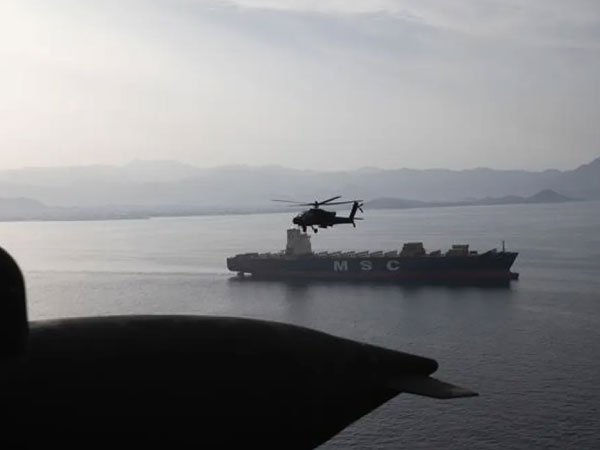
The agreement will lead to the reopening of the Strait of Hormuz, a key global shipping route whose closure has driven up fuel prices since late February.
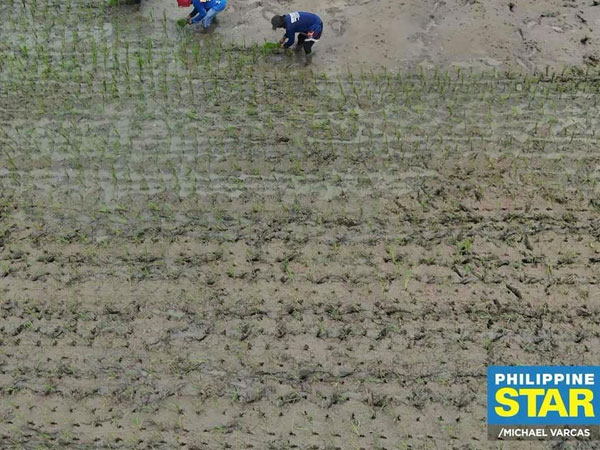
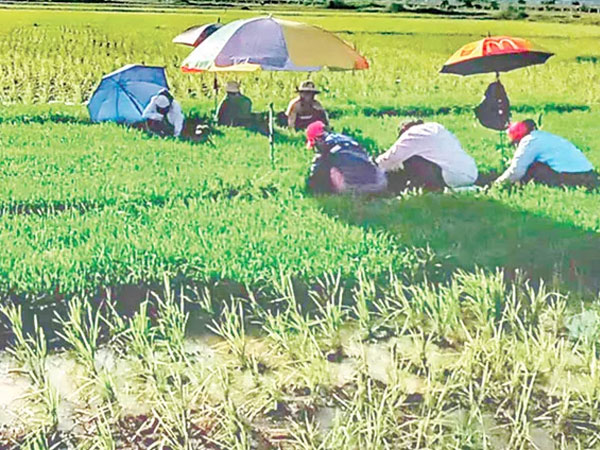
“The reopening of the Strait of Hormuz will greatly help reduce the cost of inputs in the production and transport of agricultural commodities, especially now as we prepare for a new rice planting season,” said Tiu Laurel.
He added that the development means “one less concern” for the government as it prepares for the impending impact of an extreme El Niño.
In a recent report, the United Nations’ Food and Agriculture Organization (FAO) noted that while some global rice prices stabilized, others increased month-on-month in May due to elevated production costs.
The FAO said rice prices in the Philippines remained largely stable during the month, though they are still higher than last year’s averages.
Apart from high production costs, concerns over the potential impact of El Niño continue to drive retail prices upward.
“El Niño is historically associated with below-average rainfall across parts of the subregion, including [the Philippines,] raising concerns about potential production shortfalls for the 2027 main crops, which are currently being planted in most countries” the FAO said.
With the potential end to the Middle East conflict now on the horizon, Tiu Laurel said policymakers can better focus on safeguarding the country’s food supply against the severe weather phenomenon. The DA previously stated it is taking proactive measures to minimize El Niño's impact on the rice sector, which is otherwise projected to cause output losses of around 700,000 metric tons (MT).
Beyond tempering rice prices, Tiu Laurel noted that reopening the Strait of Hormuz will normalize trade flows with the Middle East, a top export destination for Philippine agricultural commodities.
According to the DA, the country’s leading shipments to the region include fresh pineapples and Cavendish bananas, alongside processed goods like canned tuna, sardines, and coconut products.
Meanwhile, the Department of Energy (DOE) said the peace agreement will likely lead to a much-needed easing of petroleum prices, further alleviating pressure on agricultural input costs.
However, Energy Undersecretary Alessandro Sales cautioned that returning pump prices to pre-war levels will take at least six to 12 months, as oil-producing countries work to recover from the economic shocks of the war.
While the relief will not be instantaneous, the Federation of Philippine Industries (FPI) said the announcement provides the private sector with the clarity needed to chart long-term plans.
“This stability gives businesses the space we need to rebuild margins, restore predictability, and strengthen our footing,“ FPI Chair Elizabeth Lee said.




© Copyright 2025 The SSResource Media.
All rights reserved.