

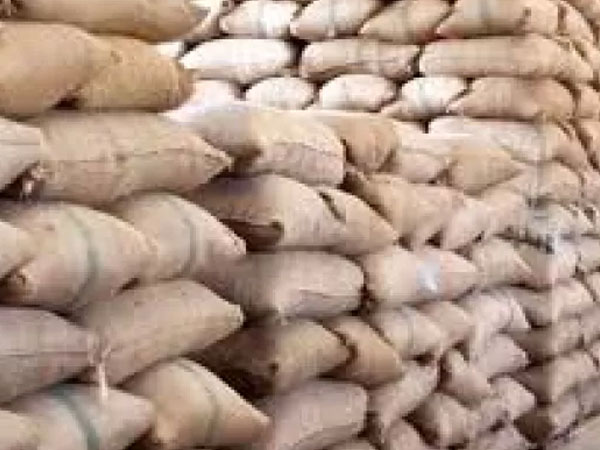
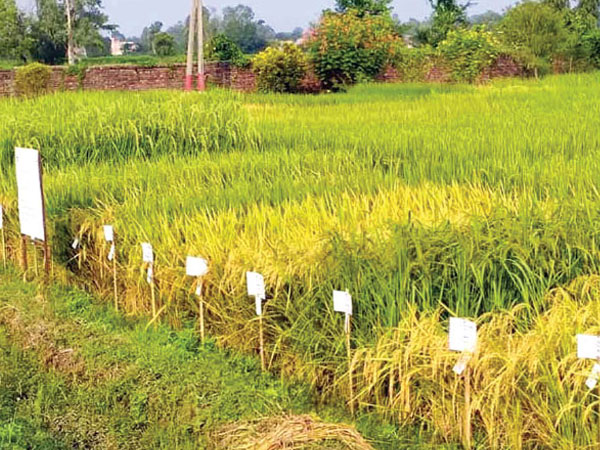
 Although the Boro, Aus, and Aman rice harvesting seasons have ended in the greater Laksam upazila of southern Cumilla, the rice market remains uncontrolled despite a large stock in government food warehouses.
From Laksam, known as a prominent commercial hub in the southern region of the district, paddy has seemingly disappeared from the market. Over the past week alone, rice prices have increased by 2 to 8/10 taka per kilogram. During this peak season of Boro and Aman, such price hikes have put local consumers in distress.
Taking advantage of the Aman season and the ongoing Aus and Boro harvests, local millers and paddy–rice syndicate traders have been purchasing paddy from various local markets and stockpiling it in warehouses. Since August 5, various tactics have reportedly emerged to increase rice prices by creating artificial shortages in local markets, citing natural disasters, drought, transportation problems, the ongoing economic slowdown, the upcoming national election, and the month of Ramadan. Observers say it appears there is no one to look after the interests of the poor.
District and upazila monitoring teams have not been seen taking action against illegal hoarding of paddy and rice across markets in the southern region. Especially in Laksam markets, rice prices remain uncontrollable despite huge stocks in warehouses. As a result, the daily lives of people in this upazila are becoming increasingly unbearable due to the rice market situation.
Multiple local sources say that since last year, traders have been processing hoarded paddy into rice and releasing it into the market at opportune times under various pretexts. Its impact is now clearly visible in the unstable rice market. According to upazila food department sources in this area, there are 28 large automatic rice mills and more than fifty small husking mills operating privately without government registration. Allegations regarding irregularities in government paddy–rice procurement and the legality of rice mills and husking mills are widespread among local residents. Even though several auto rice mills are closed, controversy continues in different quarters over the use of those institutions’ names in government procurement.
Maintaining stable rice prices is impossible without the cooperation of millers and wholesalers. According to district and upazila food department data, Laksam government food warehouses currently have a huge stock of food grains—double that of previous years. However, some people allege that local administration oversight is lacking. Many blame these traders for the sudden rise in rice prices in this area.
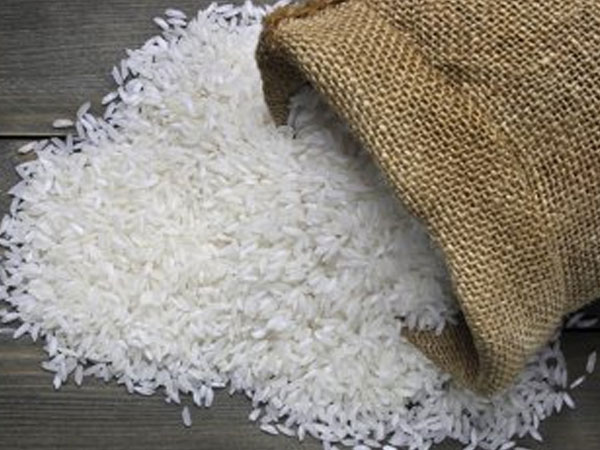
At present, wholesale market prices include: Swarna Parija thin rice at Tk 2,850 per sack; Ataish rice local at Tk 2,550 and imported at Tk 2,850; Nurjahan brand rice at Tk 2,750–2,950; coarse rice at Tk 2,450–2,550; Miniket imported rice at Tk 3,200, local at Tk 2,850; and local coarse rice at Tk 2,550–2,650. Besides, nearly a hundred brands such as Premier, FM, Shankha, Tajmahal, Jahura, Mayur, Tia, Paijam, Moi, Dayal, Pick, Rajhans, and Kabutor—both local and imported—are being sold at Tk 2,750–3,000 per sack.
Although Nazirshail and Miniket varieties of paddy are not produced in this region, rice under these names is being sold openly in local wholesale markets. Despite plastic sacks being officially banned, they are still openly visible in markets across the southern district. Allegations have also emerged that traders maintain two to three different cash memos in retail and wholesale rice sales and evade annual income tax and VAT. There are also reports that several individuals in the area operate 6–7 large rice storage warehouses. A secret investigation could reveal how many lakh sacks of rice are actually stored in this region.
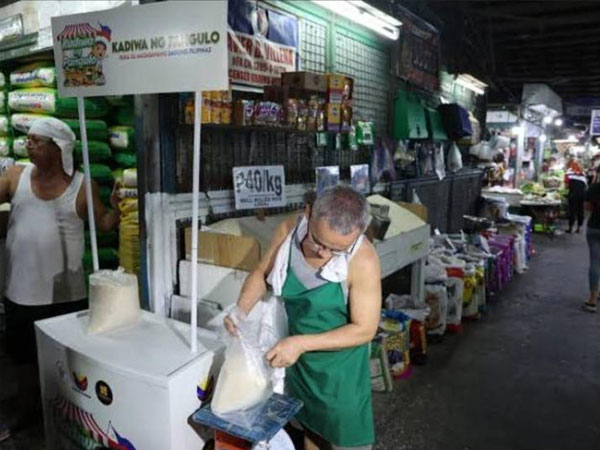
Sources further say that none of the rice or paddy traders are speaking openly about the sudden surge in rice prices. Rice wholesalers at the local Dalotganj market say that rice prices usually remain slightly higher during this time of year but will gradually stabilize. However, government food-friendly programs such as open market sale (OMS) of rice and flour, VGD, and other food assistance schemes have failed to curb the current upward trend in rice prices. In particular, the Tk 15 per kg rice program has become controversial due to various irregularities by dealers in this region.
Rice is being imported from different areas including Dinajpur, Naogaon, Natore, Sylhet, Mymensingh, and Netrokona in the northern and eastern parts of the country. Allegations have also surfaced that 8–10 wholesalers are controlling the rice market prices here. Due to manipulation by local syndicates, rice prices remain unstable even during the peak Boro season. This has affected wholesale markets, and retail markets are selling rice at an additional 8–10 taka per kilogram. As a result, ordinary consumers are becoming desperate to purchase this essential commodity.
Local sufferers say that every rice warehouse and mill in this area has thousands of sacks of rice stored, and thousands more sacks enter wholesalers’ warehouses daily from different regions, including northern Bangladesh. Yet prices remain unstable, leading to widespread criticism of the silence of the local administration.
On the other hand, several millers argue differently, claiming that they are incurring losses of Tk 100–200 per sack when processing paddy into rice. They cite paddy shortages, increased transportation costs, electricity bills, labor expenses, and other rising costs as reasons for higher rice prices. These traders also point fingers at irregularities and negligence by the Laksam upazila food department and warehouse authorities.
When contacted, several local rice wholesalers declined to provide individual comments, saying that any statement must come through their rice traders’ association. Retailers, however, say they have no clear knowledge of any major syndicate or dominant wholesaler. They usually source rice from local mills and a few external markets. Repeated attempts to contact district and upazila food department officials by mobile phone were unsuccessful.





© Copyright 2025 The SSResource Media.
All rights reserved.