

 Even before Diwali, people are already feeling the impact of inflation. Prices of rice, sugar, pulses, and edible oil have risen. This is believed to be due to bad weather and higher transportation costs.
While expenses increase with the arrival of the festive season, inflation has also taken its toll this year. Food prices are rising so rapidly that even lighting a lamp on Diwali seems difficult. Recently, there have been reports of sharp increases in the prices of commodities like rice, sugar, pulses, edible oil, and cotton around the world.
The main reasons behind this are said to be bad weather, Middle East tensions, and the cost of transporting goods. Tensions around the Strait of Hormuz and the Red Sea have also significantly disrupted the supply of goods.
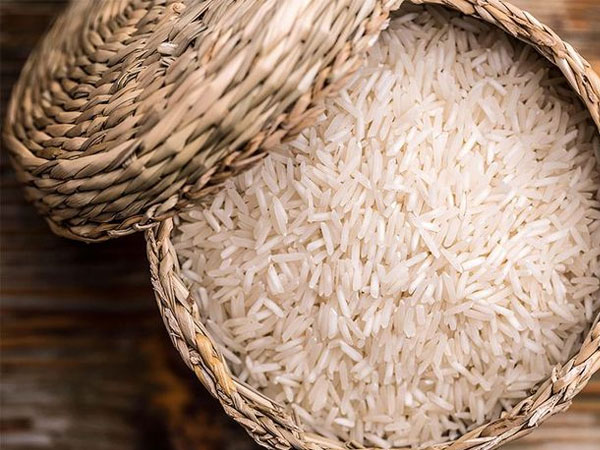
Rice prices break two-year record
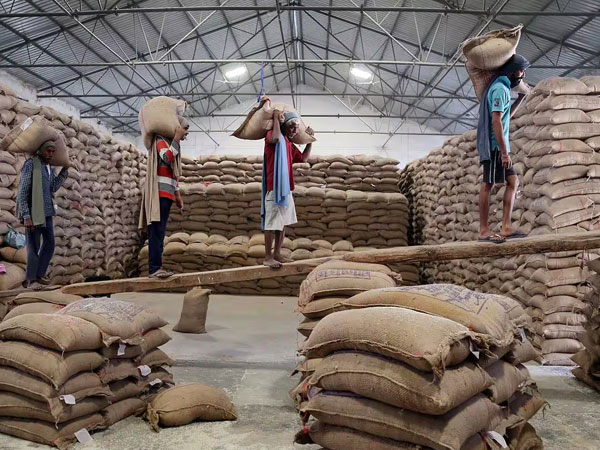
Rice prices across the world have broken the record of the last two years. This is due to the low supply of rice in the market and the high cost of supply. The cost of shipping goods by container has increased from five thousand dollars to about fifty-five thousand dollars. According to the Food and Agriculture Organization, the world rice production may decrease by 2.4% compared to last year. Rice production in India is also expected to decrease by 6.5% from 15.4 crore tonnes to 14.4 crore tonnes. The futures prices of rice in the international market have increased by 30% to 70%.
Sugar production is low and prices are high
Sugar prices are also seeing a rise. Raw sugar futures rose by about 8% in October, representing a nearly 40% increase from the July lows. Sugar production is expected to decline by 10% to 20% due to poor weather in Brazil, India, Thailand, and the European Union. Production could decline by 19% in the European Union and 17% in Thailand.
Edible oil is also becoming more expensive
Demand for biofuels is increasing due to rising crude oil prices. Biofuel production now accounts for approximately 27% of global vegetable oil consumption. The US Department of Agriculture estimates that the use of vegetable oil for biofuels could increase by 30% to 32%. This is also impacting the prices of edible oils.
The prices of pulses like gram, black gram, and peas
have also increased significantly over the past year. Gram has become more expensive by 23%, black gram by 24%, and peas by 47%. One reason for the rise in prices is the higher import duties imposed by the government. Furthermore, barley prices have increased by 44%, maize by 9%, and tea by 10%.
Will inflation rise?
The steady rise in agricultural product prices is putting pressure on inflation worldwide. Bad weather is reducing crop production, while international tensions and high transportation costs are impacting the supply of goods. If prices continue to rise at this pace, inflation could rise even faster in the future.









© Copyright 2025 The SSResource Media.
All rights reserved.