
 Digital farming, deeper processing and by-product reuse are reshaping a centuries-old Hubei specialty
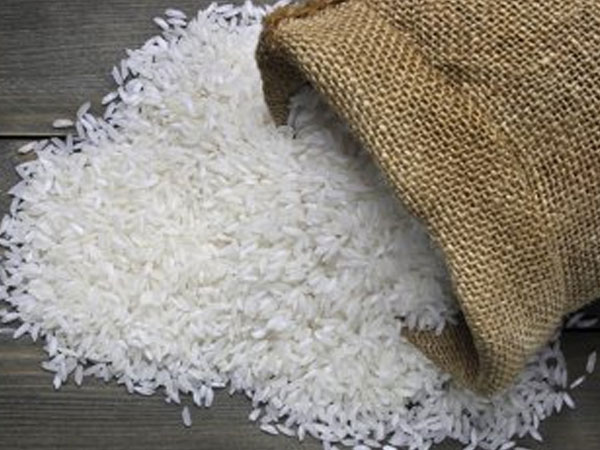
Inside Hubei Guobao Qiaomi Co's modern plant in Jingshan, Hubei province, rice moves through husking, milling, polishing, color sorting and packaging on automated lines, while a small team monitors the process from a central control room.
The factory is part of a broader effort to turn Jingshan Qiaomi, a centuries-old local rice specialty, into a more technology-driven and higher-value agricultural industry.
Protected as a national geographical indication product, Jingshan Qiaomi has developed into one of China's leading regional rice brands. Its value chain has grown to more than 17 billion yuan, while its brand value has risen to 44.9 billion yuan, according to local authorities.
Across Jingshan, about 60 rice processors have a combined annual processing capacity of around 1.2 million metric tons. Breeding, digital farming and core production bases are linking varietal improvement with standardized cultivation.
Guobao, founded in 1987, is one of the industry's leading processors. Its modern factory covers about 500 mu (33 hectares) and combines intelligent processing with automated warehousing. Digital systems monitor growing conditions, while a traceability system follows rice through the production chain.
The work begins with the seed.
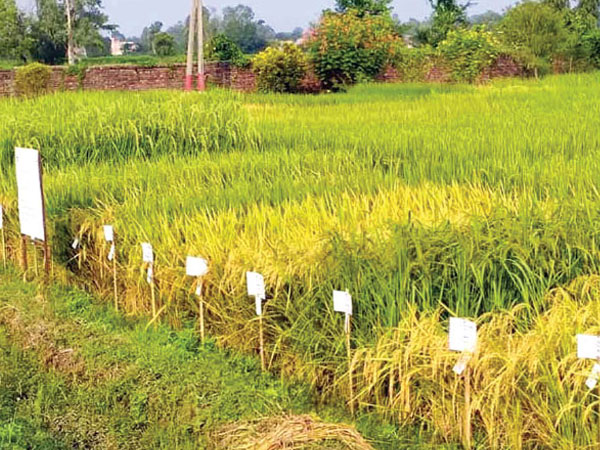
Local producers continue to purify traditional and improved Qiaomi varieties each year, using breeding bases and digital demonstration farms to stabilize quality and improve productivity.
In Sunqiao township, one of the core growing areas, more than 100,000 mu is planted with Qiaomi varieties, including a 15,000-mu core demonstration area. Improved varieties now cover about 90 percent of the fields, while internet-of-things systems reach about 80 percent, according to Zheng Yao, deputy Party secretary of the township.
"We are building a whole value chain from seed breeding and standardized cultivation to deeper processing, branding and rural tourism," Zheng said.
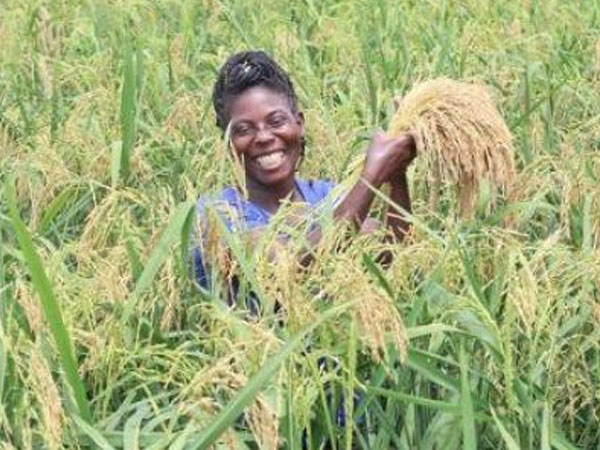
She said the industry has helped raise incomes for about 15,000 farming households in the township, with average additional income reaching 18,000 yuan per household.
Standardization also extends to farmers. Guobao works with production bases, cooperatives and households through contract farming, providing seeds, technical guidance and common production standards before purchasing their harvest.
Qiaomi paddy fetches prices more than 30 percent higher than ordinary rice, allowing growers to capture more of the value created by the regional brand.
Inside the factory, technology is aimed not only at speed but at getting more value from every grain.
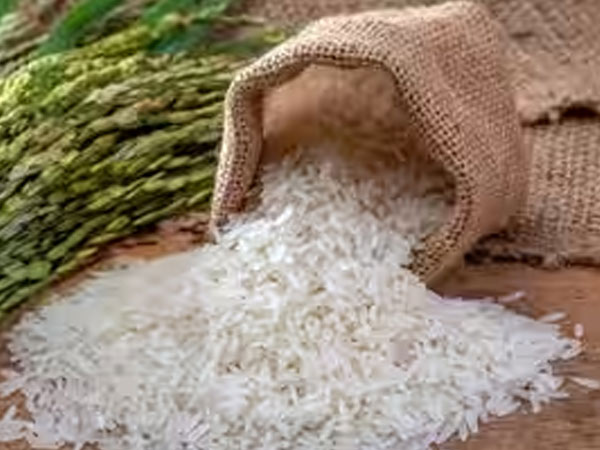
An intelligent milling system has increased the yield of whole milled rice by about 2 percentage points. Based on annual processing of 300,000 tons of paddy, that improvement could mean roughly 6,000 additional tons of premium rice, worth more than 10 million yuan.
Processors are also looking beyond bagged rice.
Broken rice, bran and husks, once treated largely as low-value by-products, can be turned into rice flour, rice oil, protein products, animal feed and biomass fuel. Producers have also developed low-GI rice, rice drinks and other products, extending the industry into processed and health-oriented foods.
Market channels are widening as well. Guobao signed a 100 million yuan purchase-and-sales agreement with JD.com in 2025, the largest deal in their decade-long cooperation.
For Jingshan, the value of a bowl of rice increasingly depends on what happens long before it reaches the table — from the seed selected in the field to the data used in the factory and the products made from what was once left behind.



© Copyright 2025 The SSResource Media.
All rights reserved.