

 Pioneering step in the country, to be extended to other crops, states shortly
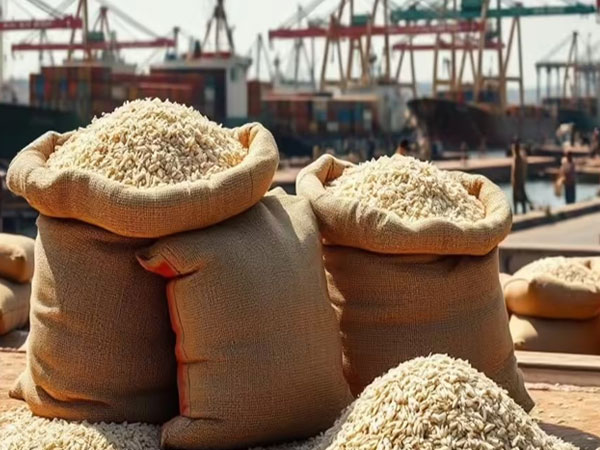
In a first-of-its-kind initiative to incentivise small holder farmers for adoption of environmentally sustainable agriculture practices, rice farmers in Punjab and Haryana will be awarded carbon credits by the end of the current fiscal.
The first issuance of carbon credit for the farming programme would cover around 30,000 acres across Punjab and Haryana, generating more than 50,000 carbon credits for adopting practices such as direct seeding and low tillage. The idea is to extend the facility to other areas and crops expeditiously.
The programme was initiated by a private entity Grow Indigo (GIPL), a joint venture between domestic seed major Mahyco and US-based Indigo in 2022.
Following the issuance of credit which is expected shortly, the company will aggregate the credit and sell it to buyers while 75% of revenues earned from the credit flow back to farmers.
Boosting Livelihoods
The audit of the programme has been completed under the carbon standard (Verra) protocol, which is a global voluntary greenhouse gas (GHG) reduction programme.
“After a long audit and review process, this approval helps us meet our purpose to impact smallholder farmer livelihoods positively in a sustainable manner and to continue to bring interventions which help farmers with challenges faced due to climate change,” Usha Barwale Zehr, executive director, Grow Indigo, told FE.
Usha said that these internationally recognized carbon credits will increase farmer incomes, while improving soil health. “We are aiming to generate one million carbon credits annually by 2027,” Zehr said.
Scaling Sustainable Practices
A farmer registered with the programme could earn one carbon credit annually per acre and currently the value of one carbon credit is in the range of $ 10 to $ 40 and is equivalent to a reduction of one tonne of Co2 emission.
According to Umang Agarwal, COO carbon, Grow Indigo, the company is currently engaged with over 100,000 farmers across one million acres in Punjab and Haryana, on sustainable farm practices and farmers would be eventually encouraged to shift to growing maize from water intensive rice production.
According to scientists, the issuance of credit under Verra’s methodology is considered one of the most rigorous standards for small holder farmers in land management.
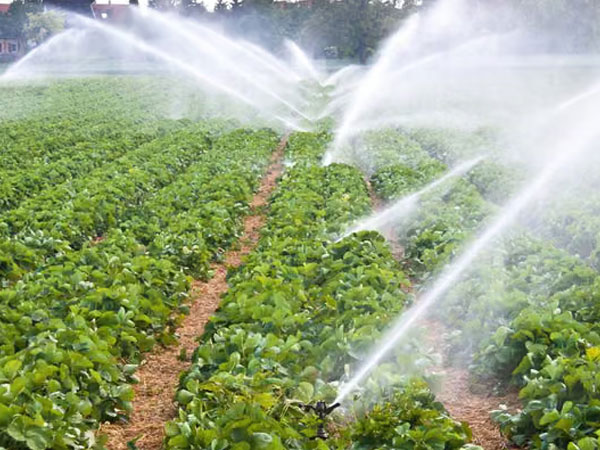
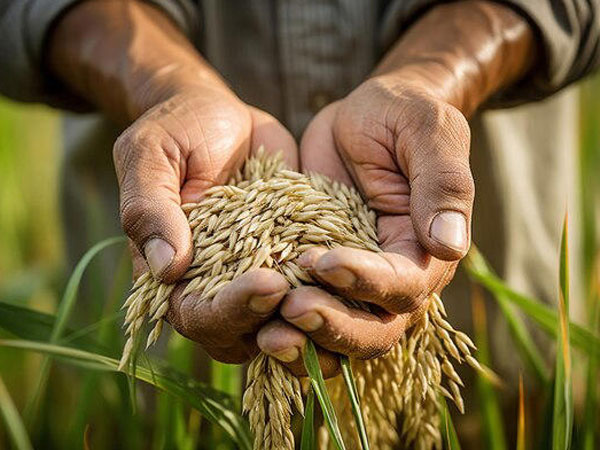
Farmers who adopt farming techniques – direct seeded rice, which improves water use efficiency and no tillage practice which conserves soil organic biomass, prior to planting of paddy and wheat register for the programme for getting carbon credit.
Carbon credits from farmers can be purchased by those industries, especially aviation, mining or manufacturers of fertiliser, who are not in a position to reduce their carbon footprints because of the very nature of their business.
Farmers who adopt farming techniques – direct seeded rice, which improves water use efficiency and no tillage practice which conserves soil organic biomass, prior to planting of paddy and wheat register for the programme for getting carbon credit
The agriculture ministry has released a framework for voluntary carbon market carbon aimed at bringing all the stakeholders together and its objective was to shift current practices and help mitigation efforts.
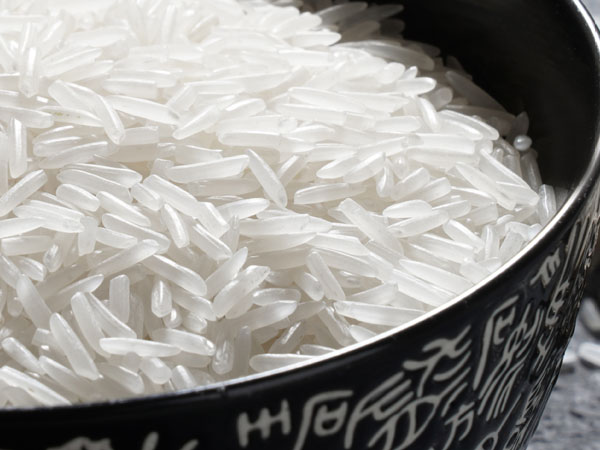
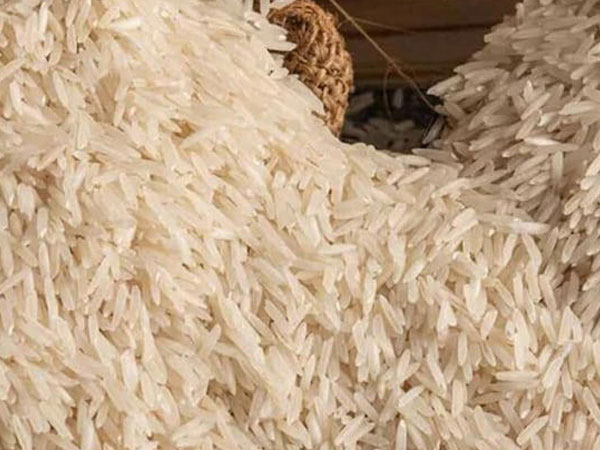
India produced around 150 million tonne (MT) of rice in 2024-25 thus emerging as the biggest rice producer in the world by surpassing China which produced 145 MT of creal.
Because of the intensive farming system adopted after the Green Revolution, soil fertility has dropped sharply. If paddy straw is not burnt and put back into the soil, the organic carbon content of the soil gets enhanced, thus improving fertility.


© Copyright 2025 The SSResource Media.
All rights reserved.