

 Deputy Prime Minister Ho Quoc Dung requested proactive measures to respond to El Nino, ensuring water for domestic use and production, food security, and energy security.
The Government Office has just issued document No. 9694/VPCP-NN dated September 24, 2026, conveying the directive of Deputy Prime Minister Ho Quoc Dung on proactively responding to the risk of water shortage due to the impact of El Nino.
Based on the report from the Ministry of Agriculture and Environment on the risk of water shortage due to the impact of El Nino, and proposed solutions to ensure water for domestic use and socio-economic development activities in 2027, and to contribute to ensuring food security and energy security, Deputy Prime Minister Ho Quoc Dung requested ministries, sectors, and localities to monitor and update weather and natural disaster situations, proactively implement tasks and solutions to respond to natural disasters and the impacts of El Nino, so as not to affect production, business, people's lives, and growth.
In particular, the Deputy Prime Minister requested the Ministry of Agriculture and Environment to strengthen meteorological and hydrological forecasting and warning work, supplement specialized forecast bulletins to serve the regulation and operation of irrigation and hydropower reservoirs, and to prevent and combat drought and salinity intrusion, especially in areas at risk of drought and water shortage.
The presiding body, in coordination with ministries, sectors, and localities, shall urgently develop and publish scenarios and plans for regulating and distributing water resources in river basins, especially those in the Central, Central Highlands, and Southern regions, in accordance with regulations.
Directing, guiding, and coordinating with ministries and localities to closely monitor the impact of El Nino, meteorological and hydrological conditions, and water resources; developing, updating plans, and operating reservoirs flexibly, safely, and effectively, with a focus on proactively accumulating water early in reservoirs in areas predicted to be at high risk of drought and water shortage; and simultaneously operating early to lower reservoir water levels, ensuring reservoir capacity to participate in flood reduction for downstream areas when rainfall and flood warnings are forecasted, ensuring flood control safety objectives and accumulating sufficient water at the end of the flood season to meet water needs for domestic and production purposes.
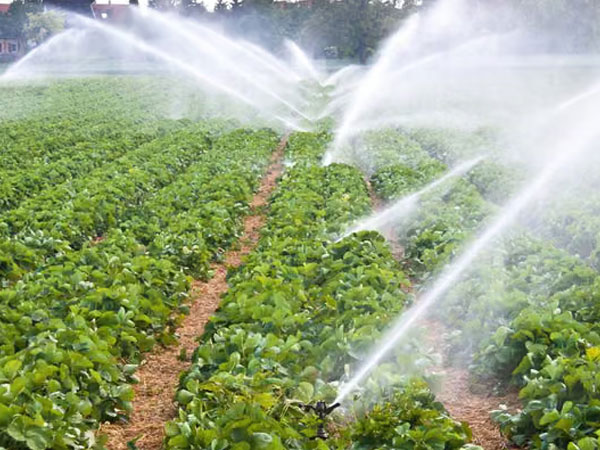
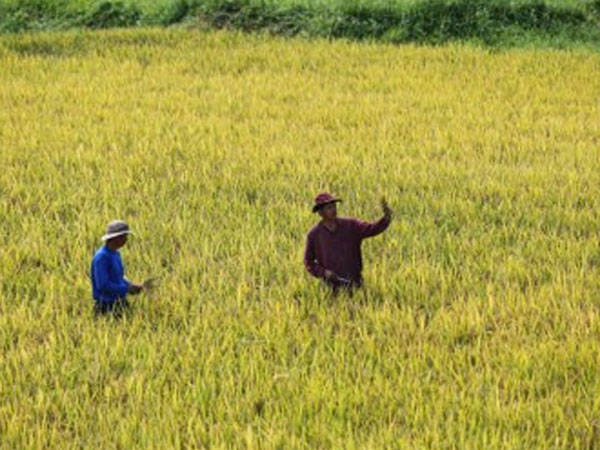
Local authorities are instructed to proactively restructure crop patterns and adjust planting schedules, especially in areas where drought and water shortages are predicted.
Ensuring water supply, energy, and production.
The Deputy Prime Minister instructed the Ministry of Construction to direct the development and implementation of a safe water supply plan based on water source scenarios for domestic water supply projects, especially those directly exploiting water in river basins without regulating reservoirs, and projects dependent on upstream reservoirs (including considering the worst-case scenario due to the impact of El Nino). The Ministry should review and strengthen the connection of water supply infrastructure, reduce the rate of clean water loss, and prepare contingency plans for water storage and supply for large cities and key urban areas such as the Red River Delta, the Southeast, and the Southern region.
The Ministry of Industry and Trade is proactively developing plans and strategies for the rational use of energy sources, and proactively responding to the risk of water shortages in hydropower reservoirs in the last months of 2026 and the beginning of 2027, especially in the Central and Southeastern regions; directing relevant agencies and units to closely coordinate with localities downstream of hydropower reservoirs, minimizing the impact of regulating and operating hydropower reservoirs on other water usage needs downstream.
Chairpersons of the People's Committees of provinces and cities shall direct, advise, and guide people to change the crop structure, adjust the planting schedule, and proactively reduce the cultivated area in areas where water resources are not guaranteed, especially areas outside the water supply coverage of irrigation systems.
Urgently develop flexible reservoir operation plans in the areas under your jurisdiction, following the directives and guidance of the Ministry of Agriculture and Environment; closely monitor weather developments, forecast and warn of the impact of El Nino, rain, and floods to consider and decide on early water storage for reservoirs in areas predicted to be at high risk of drought and water shortage; operate reservoirs to lower water levels early to ensure sufficient capacity to participate in flood control for downstream areas when heavy rain and floods are predicted and warned, ensuring absolute safety of dams and downstream populations.
The organization directs the exploitation of surface and groundwater in a combined or rotational manner; reviews and assesses the potential for increasing the exploitation capacity of centralized urban and rural water supply systems that exploit groundwater sources, in order to mobilize exploitation beyond capacity when severe droughts or water shortages occur, prioritizing water supply for domestic use and high-value crops.
Closely coordinate with the Ministry of Agriculture and Environment and other ministries and agencies to develop water resource scenarios, and to develop and implement plans for regulating and distributing water resources in river basins within the area when water resources are forecast to be insufficient or severely insufficient.



© Copyright 2025 The SSResource Media.
All rights reserved.