

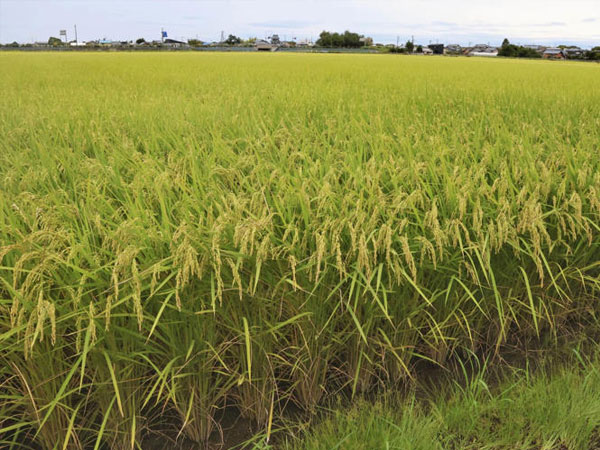
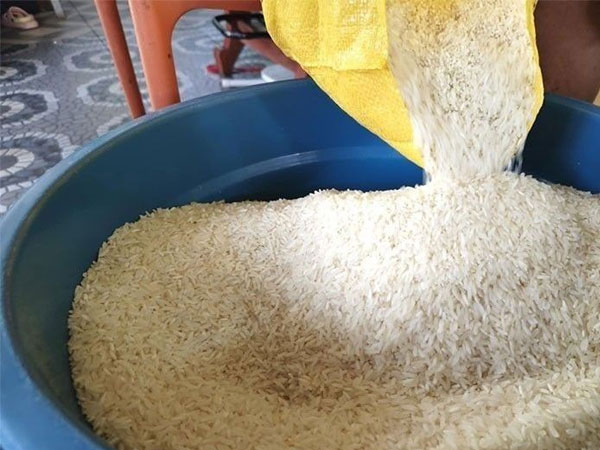
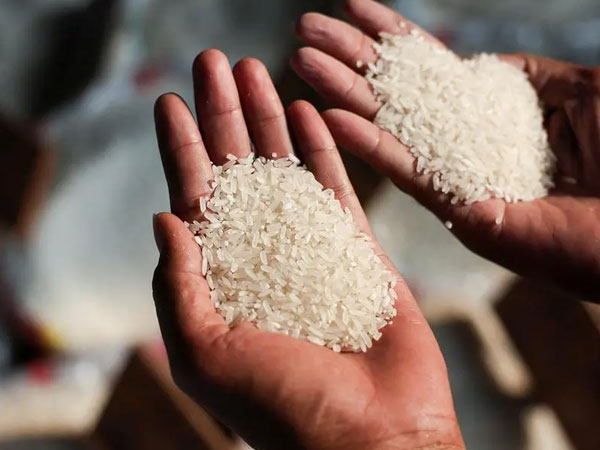
A mix of a moderate-to-strong El Nino and costly fertilizer reduced the incentive to plant in the Philippines, pushing milled rice output lower for 2026-27, the Foreign Agricultural Service of the US Department of Agriculture said in a report.
According to the FAS, initiatives run by the Philippine government via the National Rice Program and the Rice Competitiveness Enhancement Fund have helped keep farmers engaged in rice growing. For 2026-27, rice use is projected at 17.65 million tonnes, with demand fueled by population growth continuing to exceed high retail prices. To cover the expected gap in output, purchases from abroad are projected at 5.2 million tonnes, the FAS said.
Corn Corn output projections were cut to 8.05 million tonnes because of weaker yields under the same irrigation concerns that affect rice. For 2025-26, output is put at 8.2 million tonnes. Use is seen climbing on continued expansion in the poultry sector, while inbound shipments will jump sharply to 2.9 million tonnes on demand from the feed industry, the FAS said. A plan to widen the corn import quota is still being studied, and the Philippine Department of Agriculture along with the Philippine Department of Energy are looking into corn as a feedstock for ethanol. Wheat Wheat use and inbound shipments are expected to remain flat in 2026-27, since growth in milling wheat demand is canceled out by a shift toward corn driven by feed needs. For 2025-26, use and import figures were raised amid stronger feed wheat demand, while export projections were trimmed on weaker actual pasta demand.







© Copyright 2025 The SSResource Media.
All rights reserved.