

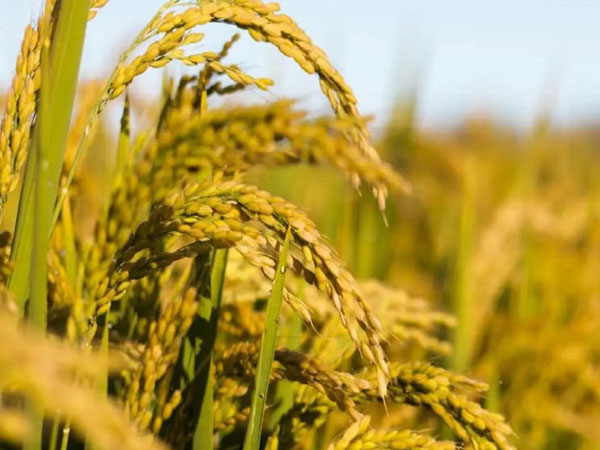
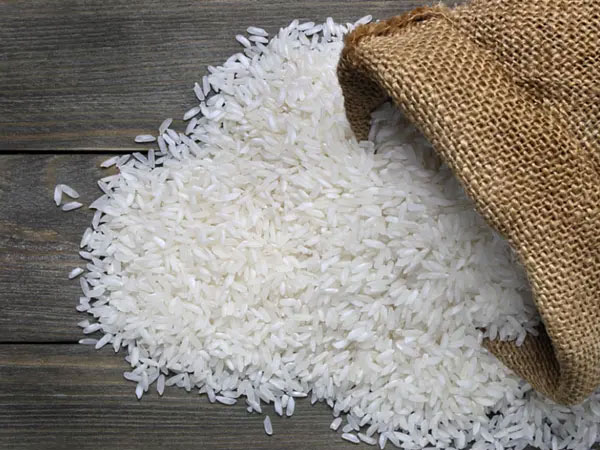
 More than half the world’s population depends on rice to survive. But this year’s El Niño weather pattern and the ongoing climate crisis are intensifying dry, hot weather that could cause yields to plummet.
Globally, rice production is set to fall for the first time in more than a decade, according to projections by the US Department of Agriculture. In the US, where most rice is grown in the Mississippi Delta, production for the upcoming season is expected to fall by more than half, to the lowest levels in 40 years.
“High temperatures can substantially reduce the rice yield,” said Atul Jain, a professor of climate, meteorology and atmospheric sciences at the University of Illinois. “Farmers are going to be hit hard during these extreme climate events.”
How much rice farmers can produce depends on a range of weather conditions, such as precipitation and temperature. Climate scientists have predicted that this year’s El Niño will be the strongest on record, describing it as a “super El Niño.” The naturally occurring phenomenon, which happens roughly every two to seven years, will continue to drive extreme weather, including intense drought, in regions across the globe.
In another twist, the very carbon dioxide that is causing global warming also makes it easier to grow rice. Higher concentrations of CO2 in the air enhances photosynthesis and improves water-use efficiency, said Jain, calling it “the primary environmental factor” contributing to the surge in worldwide rice productivity.
Still, the increasingly warmer and drier conditions that climate change will bring are expected to inhibit rice growth. A new study found that climate models have generally underestimated the production loss by as much as half. For every degree of warming Celsius, it said, rice production will fall about 8 per cent.
“Climate change amplifies these pressures through higher temperatures, erratic rainfall, floods, salinity intrusion, and longer dry spells,” said Alisher Mirzabaev, senior scientist and policy analyst on climate change for the International Rice Research Institute.
Another worry is that some advanced irrigation systems, especially in India, are depleting long-term groundwater stores in order to meet short-term needs. “For this season, the rice growers have basically used groundwater,” said Sampriti Baruah, the head of sustainable agriculture for the environmental think tank WRI India. This type of excess withdrawal will eventually catch up with farmers, she said, “but that’s the fallout of the irrigation system.”
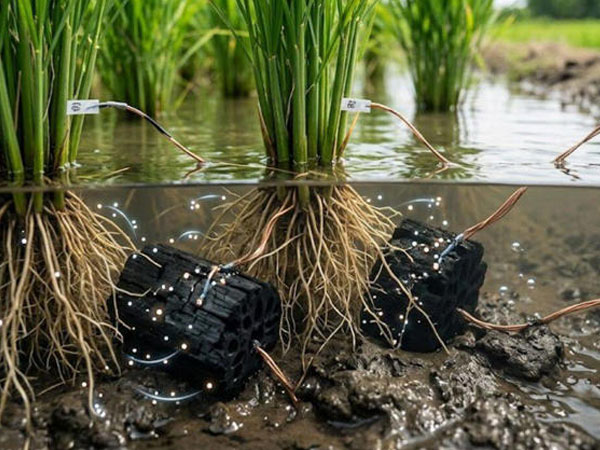
These risks are why experts say a continued focus on adaptation measures remains critical. “These different management practices help us offset some of these climate impacts,” said Jain. Of farmers, he added, “if they are very well prepared for that, definitely they can overcome all these issues.”


© Copyright 2025 The SSResource Media.
All rights reserved.