

In Louisiana, weather turns rice fields into crawfish ponds, linking seasonal rain, heat and flooding to one of Cajun Country’s favorite foods.
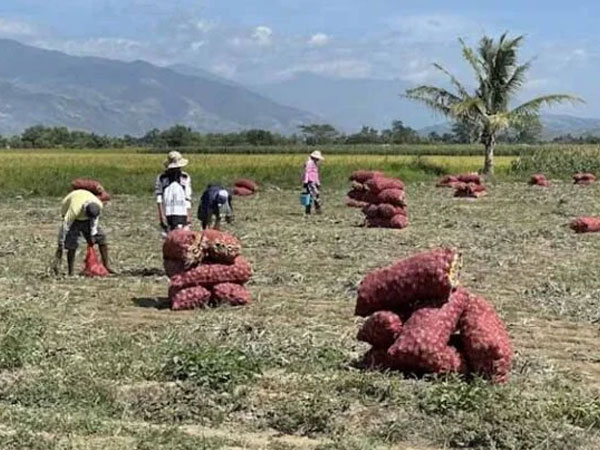
In South Louisiana, a field of rice may have a second life after the grain is harvested.
Months later, that same field can be filled with water, dotted with traps and producing another Louisiana staple: crawfish.
It is one of the more remarkable connections between weather, agriculture and the Cajun table.
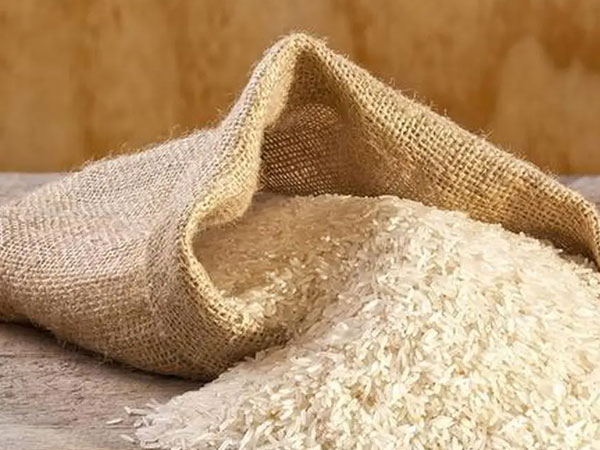
About 70% of Louisiana’s farmed crawfish are produced in rotation with rice, according to the LSU AgCenter. The arrangement works because rice and crawfish thrive during different parts of Louisiana’s warm, wet seasonal cycle.
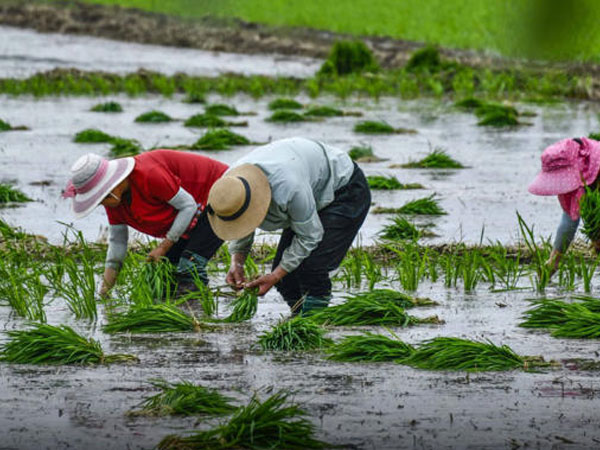
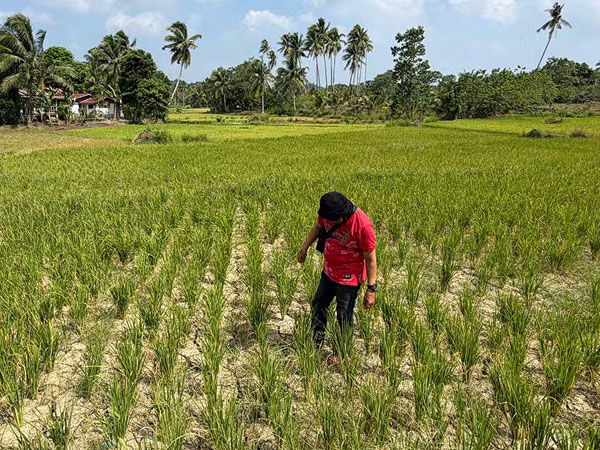
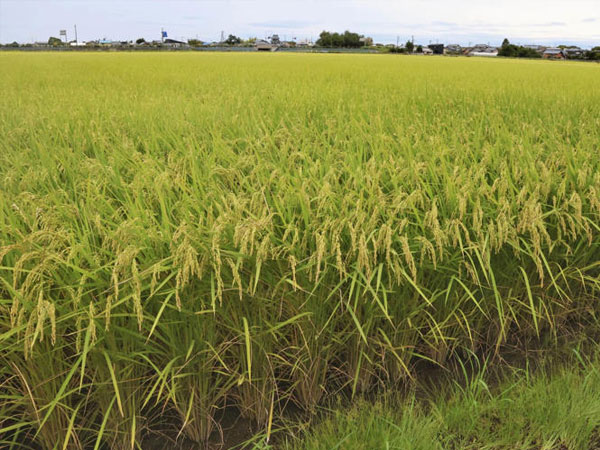
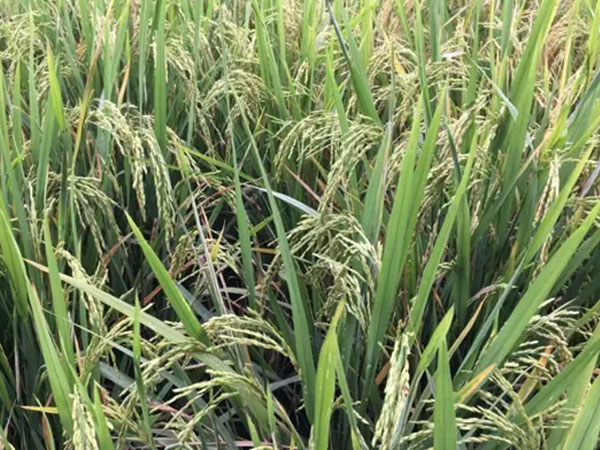
Rice grows through the warm season. Crawfish are introduced into many fields during spring or early summer, but as temperatures rise, they burrow into the moist soil beneath the levees. There they can spend much of the summer sealed underground while the rice grows above them.
After the rice is harvested, the field begins changing.
The remaining rice stalks and new growth provide the foundation of a natural food web. During fall, farmers flood the fields again. Rainfall also softens the hard plugs sealing crawfish burrows, helping females and their young emerge into the newly flooded field.
By winter, what looked like farmland during summer has become something much closer to a shallow wetland.
Young crawfish grow in the flooded fields through the cooler months. Their growth slows during cold spells, then accelerates as water temperatures rise. Harvests typically increase during late winter and spring, with peak production often occurring from March through May.
That makes weather an important ingredient long before crawfish ever reach the pot.
Too little summer rain can dry and crack the soil, allowing moisture to escape from crawfish burrows. Fall drought can delay their emergence. Excessive heat can worsen low-oxygen conditions, while prolonged winter cold can slow growth. Research from LSU has even found a significant relationship between fall rainfall and crawfish harvests later in the season.
It is an agricultural system that mirrors the landscape around it.
For generations, Cajun cooking developed among the bayous, swamps, wetlands and prairies of South Louisiana, incorporating what that environment provided- rice, fish, shellfish, crawfish, game and vegetables- into dishes such as gumbo, jambalaya and crawfish étouffée.
So when a pot of crawfish is poured onto a Louisiana table, the story began months earlier.
With summer heat. With a rice harvest. With autumn rain.
And with a field that changes with the seasons.


© Copyright 2025 The SSResource Media.
All rights reserved.