

 Tourism, a pillar of the Thai and regional recovery narrative, faces a more indirect risk through heat stress and haze rather than a direct demand shock, though extended dry-season heatwaves and reduced water availability in popular destinations
Southeast Asia is heading into the second half of 2026 facing its most significant El Niño event in nearly a decade, and the numbers coming out of the region’s meteorological agencies are no longer speculative. The ASEAN Specialised Meteorological Centre confirmed in its August update that the Niño3.4 index had reached 1.3°C in July, with further strengthening already underway in early August. NOAA’s Climate Prediction Center now puts the odds of a very strong event through the northern autumn and winter above 90 percent, with a peak expected between November 2026 and January 2027.
Super El Niño confirmed and intensifying
A major Super El Niño has formed in the tropical Pacific, confirmed by NOAA, WMO, IRI and Copernicus, and is expected to peak Oct 2026–Jan 2027 .
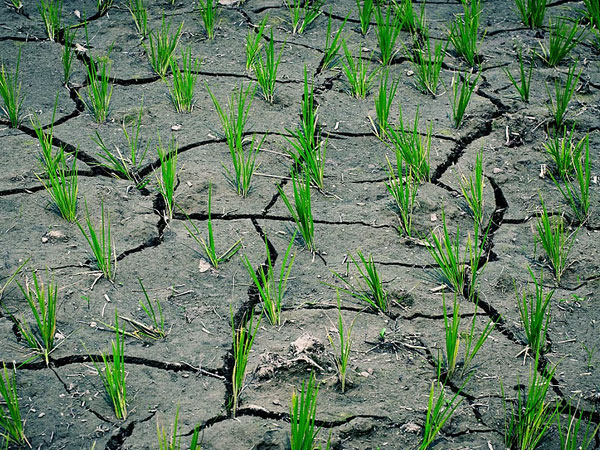
Southeast Asia consistently shows the strongest global El Niño signal, with widespread drought forecast across Indonesia, Malaysia, the Philippines, Thailand, Myanmar, Timor‑Leste and Papua New Guinea
The term “Super El Niño” is informal rather than a recognised scientific threshold, but at the intensity now being tracked, forecasters are drawing direct comparisons to the 1997-98 and 2015-16 events, both of which left lasting marks on the region’s agricultural output, water security and inflation trajectories. What has changed since those episodes is the scale of exposure: ASEAN economies are more trade-integrated, more urbanised and, in several cases, already contending with cost pressures unrelated to weather.
From La Niña to a strengthening El Niño
The shift happened faster than earlier seasonal outlooks anticipated. As recently as March, the ASMC was still describing La Niña conditions weakening toward neutral, with El Niño development seen as one of several possible outcomes for mid-year. By June, the region’s meteorological centres were treating an El Niño return as the base case. By August 4, the ASMC’s seasonal outlook was warning explicitly of drier and warmer than normal conditions across southern Southeast Asia through October, driven by an index some forecasters say could rank among the strongest in 75 years.
A positive Indian Ocean Dipole is expected to develop over the same period, a configuration that historically compounds El Niño’s drying effect on the region and raises the risk of the kind of fire and haze events that have periodically disrupted air quality in Singapore and Malaysia.
Rice and the region’s most exposed export
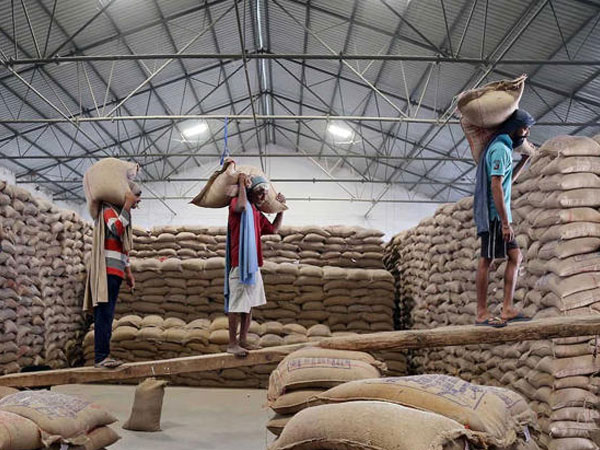
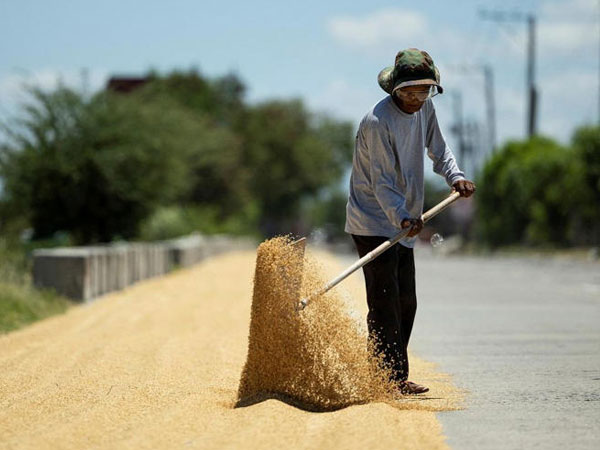
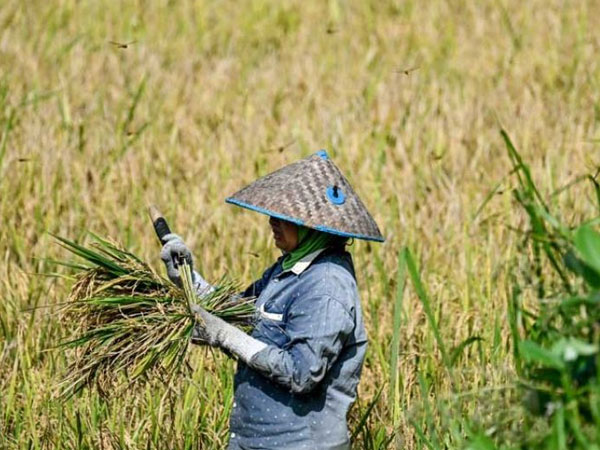
The clearest economic signal so far is in rice. Thailand received roughly 60 percent less rainfall than normal between January and April, and Bangkok’s export price reached 490 dollars per metric tonne by the end of June, up 27.5 percent since the start of the year. Thailand’s rice exports had already been under pressure this year, as TBN reported when a widening price gap with Indian rice began redirecting Nigerian demand toward Indian parboiled supply, and the drought adds a second front to that competitiveness problem.









© Copyright 2025 The SSResource Media.
All rights reserved.