

The African Development Bank Group has brought its financing plans and investment initiatives to the centre of discussions at a West Africa Rice Investment Roundtable, held in Accra, Ghana.
The roundtable was held June 2-3 and brought together governments, investors, development institutions, and private sector leaders to explore ways to turn the Economic Community of West African States Regional Rice Roadmap into a more impactful reality.
Opening the Roundtable on behalf of the President of the Republic of Ghana, Professor Naana Jane Opoku-Agyemang, Vice President of the Republic of Ghana said:
"West Africa has the land, water, knowledge, and entrepreneurial spirit required to feed itself...Investing in rice means investing in jobs, industries, rural prosperity, and economic resilience. The time has come for Africa to produce what it consumes and consume what it produces."
Richard Ofori-Mante, the Bank Group's Director of Agricultural Finance and Rural Development, who attended the event said achieving rice self-sufficiency in West Africa will require sustained investment from seed systems and irrigation to processing, storage, logistics, and market access.
"Rice is not merely a crop; it is a strategic commodity for economic transformation. Reducing import dependence and strengthening regional value chains will improve food security, create employment opportunities, strengthen rural economies, and retain wealth within the region," Ofori-Mante said.
The Government of Ghana, in collaboration with ECOWAS, the African Development Bank Group, the World Bank Group through the AgriConnect initiative and the International Fund for Agricultural Development, organized the roundtable, held under the theme "Driving Rice Investment Across West Africa." The ECOWAS Regional Rice Roadmap (2025-2035) is a regional plan to increase rice production, strengthen value chains, and achieve rice self-sufficiency.
ECOWAS Commission President Dr. Omar Alieu Touray noted, "Our ambition is clear: to build more competitive, inclusive, and sustainable agrifood systems that strengthen food sovereignty, create economic opportunities, contribute to shared prosperity, and progressively achieve regional rice self-sufficiency by 2035."
African Development Bank Regional West Africa Resilient Rice Value Chains Development Programme boosts regional food security
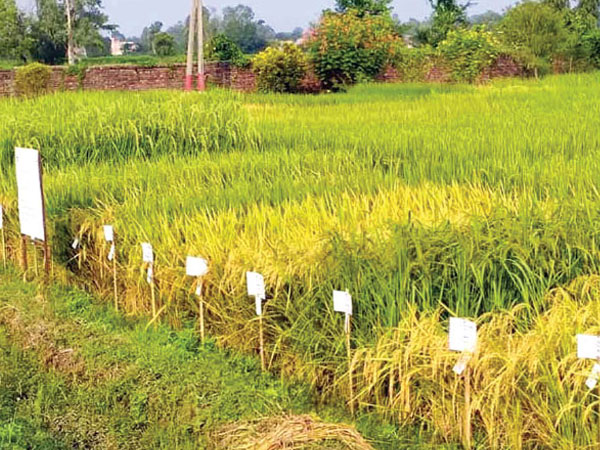
The African Development Bank Group's Regional West Africa Resilient Rice Value Chains Development (REWARD) Programme provides a practical foundation for implementing the regional rice roadmap. REWARD supports efforts to increase rice production, strengthen value chains, and expand regional food security.
During a high-level panel with ministers of agriculture, private sector leaders, and development finance representatives, the Bank Director detailed practical financing approaches to support Roadmap implementation.
Ofori-Mante said blended finance, risk-sharing instruments, and climate-smart investments can de-risk investment and attract more private capital into agriculture. He stressed that improving rural infrastructure and irrigation is essential to expand commercial farming and agro-industrial development in West Africa.
Ofori-Mante said a proposed $200 million Agro-Inputs Risk Sharing Facility, to be backed by the Bank and the Global Agriculture and Food Security Program, would help reduce lending risks for agro-input suppliers and encourage greater private-sector investment across agricultural markets.
In December 2024, ECOWAS Heads of State endorsed the roadmap, with estimated financing needs of $15-19 billion in capital investment and $4-5 billion annually in operating costs.
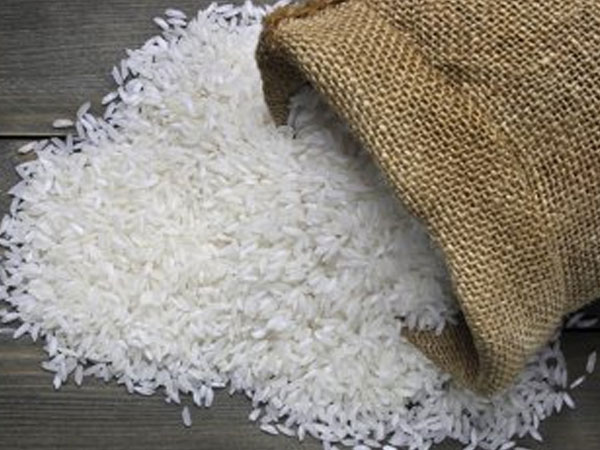
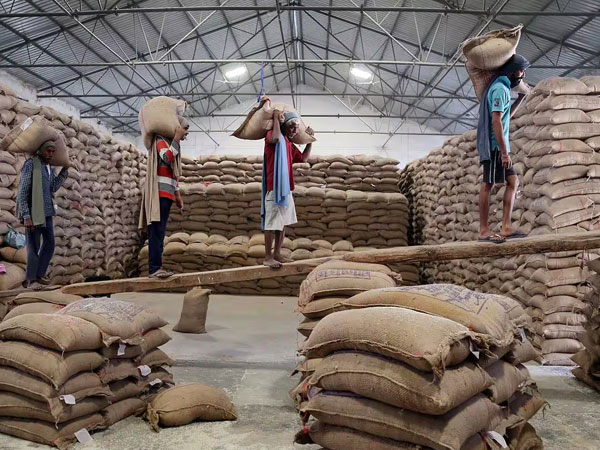
Rice represents roughly 40 percent of cereal consumption in West Africa, yet the region imports 12 million metric tons annually -- draining foreign exchange reserves and exposing countries to damaging global supply chain disruptions.
The roundtable concluded with governments, development partners, investors and private sector leaders committing billions of U.S. dollars to expand investment in West Africa's rice economy. Participants also agreed to support implementation of National Rice Investment Action Plans, solidify regional cooperation, and expand public-private partnerships, as ECOWAS pursues its goal of rice self-sufficiency by 2035.




© Copyright 2025 The SSResource Media.
All rights reserved.