

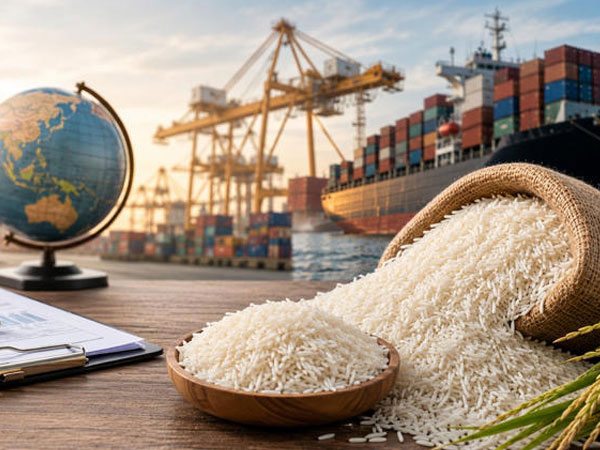
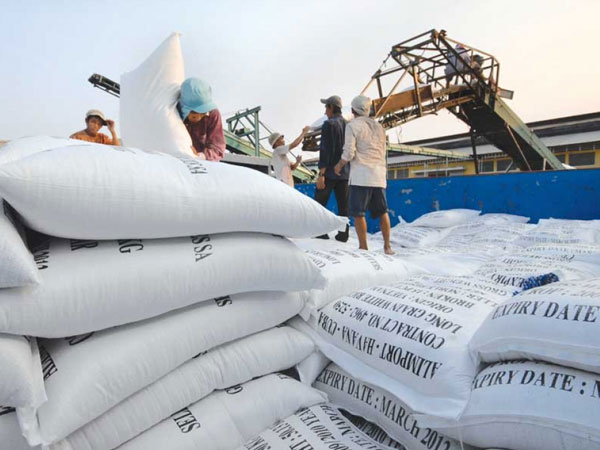
 LIMITED market competition failed to translate steep rice tariff cuts into lower retail prices for Filipino consumers, wrote experts in a paper published in “The Philippine Review of Economics.”
The paper, titled “Tariff Cuts Without Consumer Gains? A Competition Policy Perspective on Philippine Price Trends,” examines the reasons domestic rice prices remained high despite sliding global quotations and trade liberalization. The article was penned by Department of Economy, Planning, and Development Secretary Arsenio M. Balisacan, Seameo Innotech Centre Director Majah-Leah V. Ravago and Enrico G. Trinidad.
Their findings showed that aside from persisting weaknesses in domestic supply chains, limited market competition also remains a pressing constraint.
“Despite increased importation and declining landed costs, the pass-through to retail prices remains minimal and delayed,” the paper said.
The authors wrote that “historical decomposition” pointed at shocks to imports, stocks, and farmgate prices continuing to dominate price dynamics. This suggests that adjustments along the supply chain are “neither smooth nor fully competitive.”
“These patterns are consistent with a market environment where limited contestability and the presence of dominant intermediaries weaken price transmission,” the authors said.








© Copyright 2025 The SSResource Media.
All rights reserved.