

 KRBL, LT Foods and several other rice stocks attracted buying interest in Thursday's trade, after the Union Cabinet approved a move set to improve the supply of broken rice for ethanol production.
Most rice stocks took centre stage on Dalal Street in Thursday's trade, a day after the Cabinet approved a change in the quality standards for supplies distributed under the Pradhan Mantri Garib Kalyan Anna Yojana (PMGKAY) -- a food security and social welfare scheme that ensures free food grains for the poor -- and the broader Public Distribution System (PDS).
KRBL, LT Foods, GRM Overseas, Chaman Lal Setia Exports, Sarveshwar Foods and Kohinoor Foods shares rose up to two per cent in morning deals. The Mishtann Foods counter was trading about one per cent lower.
The move is seen as improving the quality of grain supplied through ration shops while releasing millions of tonnes of broken rice for ethanol production.
Analysts said the policy could improve the commercial value of broken rice by expanding its industrial market.
This marks the first downward revision in the permissible content of broken rice supplied through the Public Distribution System (PDS) in more than three decades.
The news confirmed an earlier Zee Business newsbreak.
What are the new limits of broken rice in PDS?
Under the revised norms, the permissible limits for broken rice are as follows:
- Raw rice: Revised to 10 per cent from 25 per cent
- Parboiled rice: Revised to 5 per cent from 16 per cent
Simply put, the new rules will enhance the quality of rice distributed through the PDS network, with the smaller grains removed from ration rice now being channelised towards ethanol manufacturing and animal feed. This is broadly seen as creating additional industrial availability without reducing food grain supplies.
According to government officials, the move will ensure that more than 80 crore PDS beneficiaries receive better quality rice through their monthly entitlement and will free up an estimated 8-9 million tonnes of surplus broken rice for ethanol production.
They said the measure balances consumer welfare with industrial demand by allowing surplus broken rice to be channelled towards ethanol production rather than remaining within the food distribution system.
The PDS mechanism purchases rice from farmers through the Food Corporation of India (FCI) and state procurement agencies before supplying subsidised grain to eligible families through ration shops.
What is broken rice? Why is it important?
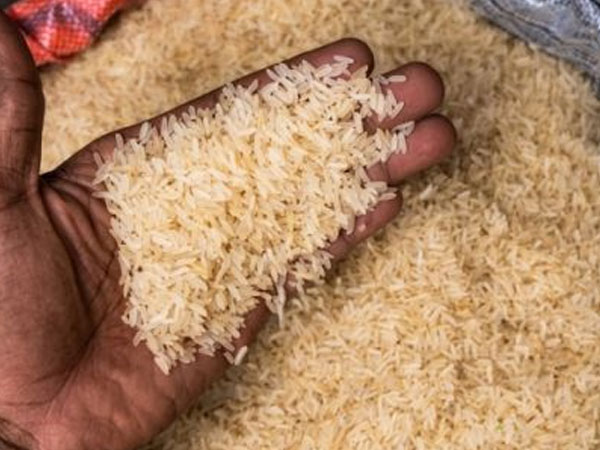
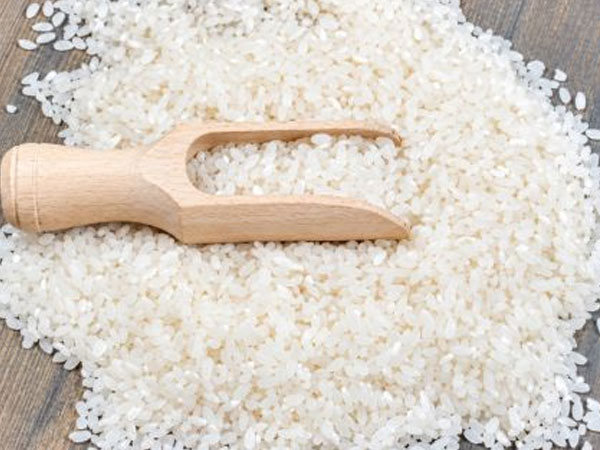
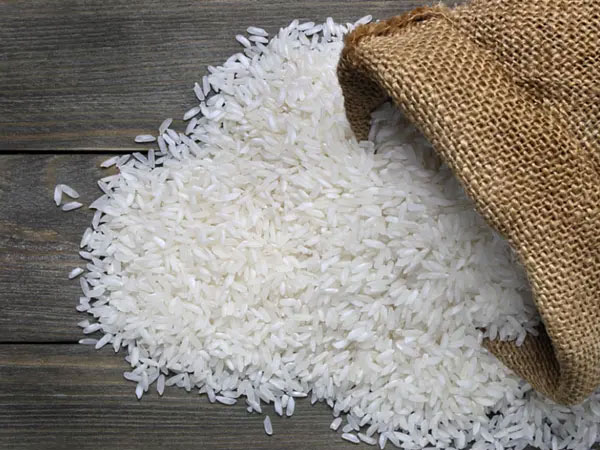
Broken rice consists of grains that break during milling and processing. Although its nutritional value remains largely similar to whole rice, it commands lower prices in the market because of its appearance.
Apart from being used for household consumption, broken rice is widely used by the ethanol industry, animal feed manufacturers, breweries and food processing companies.
Rice is heavily regulated in India
Being a commodity widely used as staple food across the length and breadth of the country, the government heavily regulates its trade to ensure domestic food security.
The government makes adjustments in the minimum support price for rice from time to time to ensure farmers get a fair price for their produce.


© Copyright 2025 The SSResource Media.
All rights reserved.