

 The surplus of rice from the 2025 crop is becoming a serious problem. Wholesalers purchased the rice at high prices, but consumers are shunning it because they see it as overpriced. Meanwhile, the distribution of newly harvested rice is now in full swing.
Private rice stock levels have reached record highs, and the average price of a 5-kilogram bag of the staple at supermarkets has dropped to below ¥3,000. While the decline in rice prices is good news for consumers, rice producers are becoming increasingly wary of the situation.
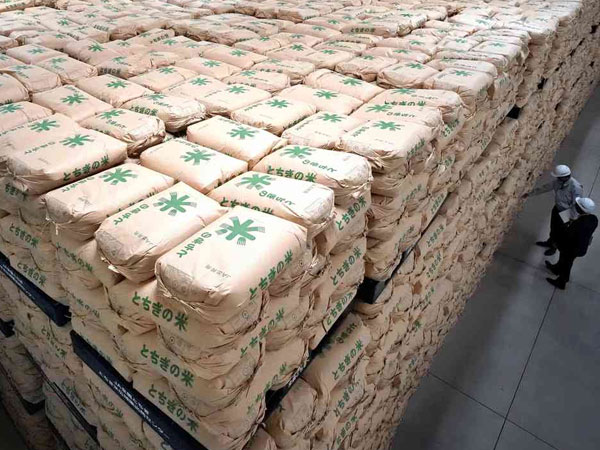
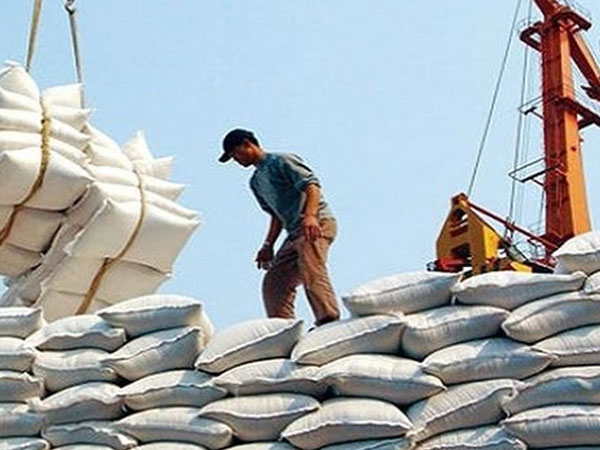
On a recent day, rice from the 2025 crop in Tochigi Prefecture was piled high at a rice collection and shipping center operated by JA Zen-Noh Tochigi, a prefectural chapter of the National Federation of Agricultural Cooperative Associations, in Yaita in the prefecture. This was due to rice prices soaring during the so-called “rice shortage crisis in the Reiwa era,” starting in the summer of 2024, and demand for rice falling accordingly. In addition, the distribution of rice from the 2026 crop — which is cheaper than the 2025 crop — has also begun.
Rice is stored in its unprocessed state at a low temperature in the center. The inventory of rice from the 2025 crop stood at 8,189 tons, or 1.63 million 5-kilogram bags, by the end of August, marking a record high for this time of year. With its storage capacity nearing its limit, JA Zen-Noh Tochigi is being forced to secure space to store the newly harvested rice. “We have been trying to manage the storage by entrusting the stock to our local warehouses and those of transportation companies,” a JA Zen-Noh Tochigi spokesperson said.
The oversupply is a nationwide concern. According to the Agriculture, Forestry and Fisheries Ministry, private rice inventories reached a record 2.43 million tons by the end of June. The appropriate amount of private rice stock is said to be between 1.8 million and 2 million tons. Stocks of unsold rice are projected to swell to between 2.46 million and 2.83 million tons by the end of June 2027.
The rice shortages and price hikes that began intensifying in the summer of 2024 led to a decline in rice demand as consumers held back on purchasing rice and bought bread or noodles instead. Meanwhile, according to the prefectural rice crop outlook for 2026 as of Aug. 15, the harvest is expected to be slightly above average in Niigata, Hokkaido and 22 other prefectures.
While the ministry forecasts demand for rice from the 2026 crop at a maximum of 7.11 million tons, it projects maximum production will be 7.54 million tons.
Advance payments made to producers by regional branches of the Japan Agricultural Cooperatives when rice is collected have dropped significantly from last year. For instance, JA Zen-Noh Niigata in Niigata City significantly lowered the advance payment it offers for standard Koshihikari-brand rice harvested by 40% this year to ¥18,500 per 60 kilograms.
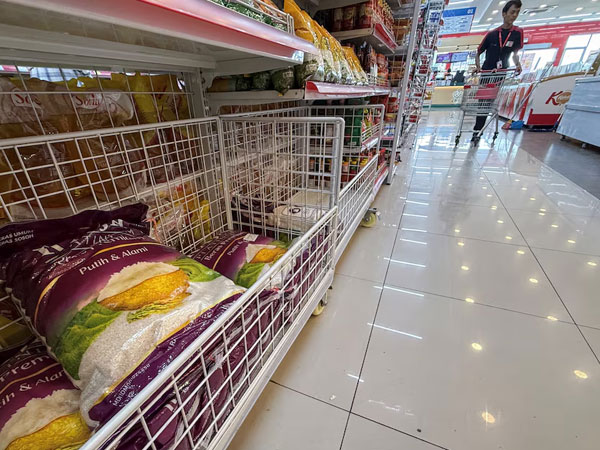
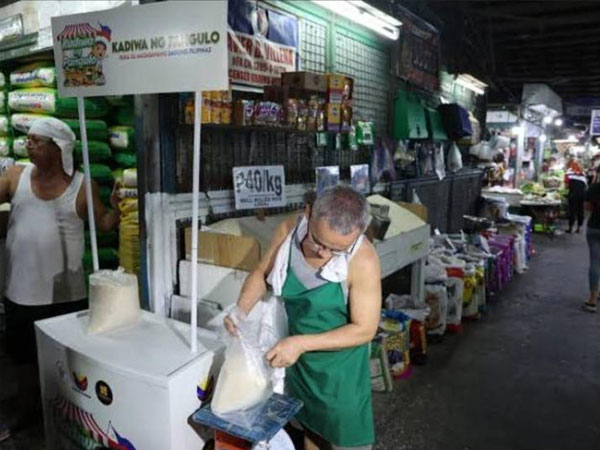
The retail price of rice is also on a downward trend. From Sept. 14 to 20, the average retail price of rice was ¥2,934 per five kilograms at about 1,000 supermarkets nationwide, falling below the ¥3,000 mark for the second consecutive week.
In some areas, rice harvested this year, which has begun to appear on store shelves, is selling for lower prices than that of the rice harvested last year.
The ministry has decided to buy back a portion of the government-stockpiled rice it released last year. While some rice producers hope this will balance the supply and demand, the future of rice prices remains uncertain. “We hope for active rice consumption,” said the general manager of the rice and wheat division at JA Zen-Noh Tochigi.



© Copyright 2025 The SSResource Media.
All rights reserved.