

- Guinea has partnered with Brazil and China to raise rice productivity, drawing on Brazilian expertise and Chinese hybrid rice technology.
- The country aims to achieve rice self-sufficiency by 2030, but it imported more than 1 million tonnes of rice in 2024.
- The partnerships come as Guinea launches the agricultural component of its Simandou 2040 program, which plans more than $18 billion in agricultural investment.
 Guinea is looking to China and Brazil for the expertise and technologies it needs to improve rice productivity.
On Sept. 4, the Ministry of Agriculture announced that it had signed a memorandum of understanding with Brazil’s Daniel Franco Institute. According to the ministry, the partnership will support Conakry’s goal of achieving rice self-sufficiency.
“We intend to meet this challenge by relying on the proven experience of the Daniel Franco Institute, which already works with about 20 countries around the world,” the ministry said in a statement.
The partnership with Brazil follows a recent cooperation agreement with Chinese partners.
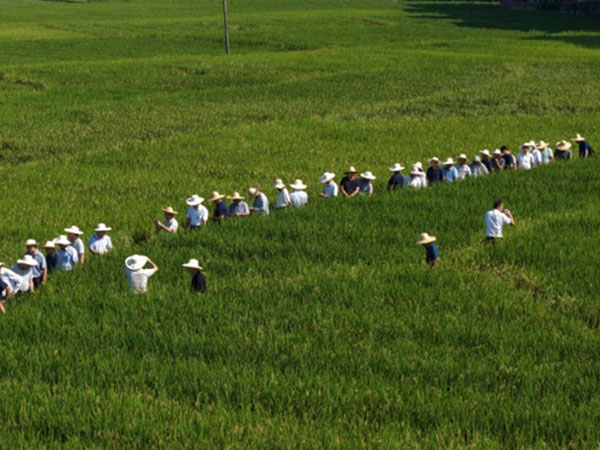
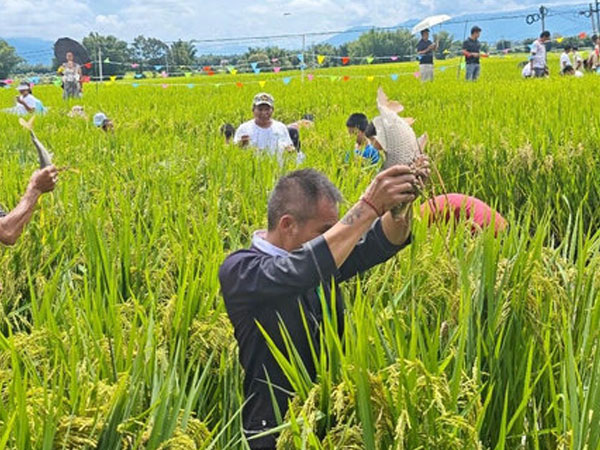
A few weeks earlier, in mid-August, Guinea announced the launch of a hybrid rice trial in Koba, in the Boké region, with Chinese company YILONGHE Plantation and Développement Agricole Guinée SARL. The project includes a 1,000-hectare demonstration phase, with Chinese partners already receiving a 500-hectare concession. It will also transfer hybrid seed production techniques to Guinean farmers. The government aims to use the project to increase productivity across the rice sector.
Two Sources of Expertise to Raise Rice Productivity
The two partnerships reflect China and Brazil’s respective expertise in rice production and their relatively high productivity levels.
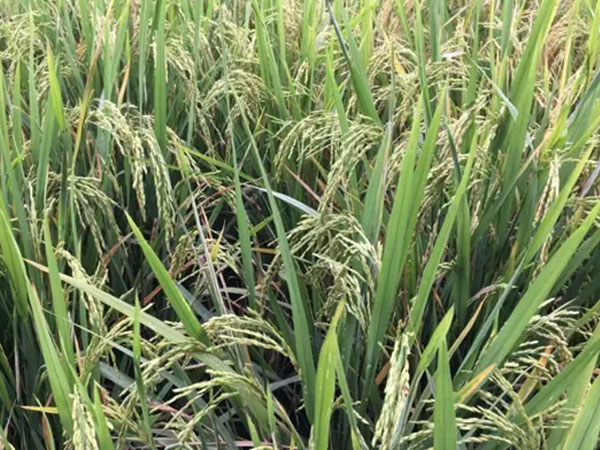
China produces about 143 million tonnes of milled rice annually and ranks among the world’s two largest producers behind India, according to FAO data. The country also has extensive experience with hybrid rice, a technology it has developed at scale since the 1970s. According to the International Rice Research Institute (IRRI), hybrid varieties can deliver 15% to 20% higher yields than the best inbred varieties under comparable conditions.
Brazil offers complementary expertise. The country ranks as Latin America’s largest rice producer, with annual milled rice output of about 7.1 million tonnes. It also has extensive experience with tropical and irrigated rice farming.
FAO data show that average rice yields reached 7.14 tonnes per hectare in China in 2024, compared with 6.72 tonnes in Brazil. Guinea’s average yield stood at 1.5 tonnes per hectare during the same period. The figures highlight the sector’s significant productivity gap.
An Acceleration Under the Simandou 2040 Program?
Guinea aims to achieve rice self-sufficiency by 2030, but a substantial gap remains between domestic production and demand. Available data show that Guinea imported more than 1 million tonnes of rice in 2024.
Guinea’s push for rice self-sufficiency is not new. However, the latest developments in the second half of 2026 come as the country launches the agricultural component of the Simandou 2040 program. The government launched the initiative in June and plans to invest more than $18 billion to modernize agriculture.
The program includes plans to organize 5,000 agricultural cooperatives, develop about 100 aggregators, and build or rehabilitate more than 20,000 kilometers of rural roads.
Against this backdrop, foreign partnerships could help Guinea strengthen technical capacity and raise agricultural productivity as part of its broader food sovereignty strategy.
The key question now is whether the technologies and expertise secured from Chinese and Brazilian partners can turn pilot projects into lasting productivity gains across Guinea’s rice sector.


© Copyright 2025 The SSResource Media.
All rights reserved.