

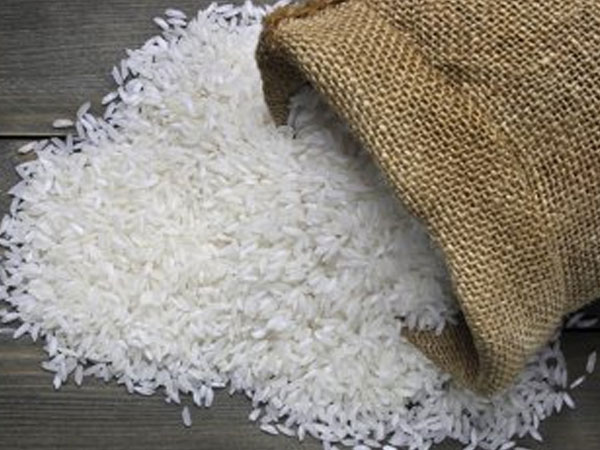
 The government’s obsession with rice stems from the fact that the Philippines is a rice-eating nation. Filipinos, particularly those in the so-called Bottom 30 of the population, consume rice in huge quantities in lieu of meat, which has become expensive in recent years. There is, however, another staple grain that deserves the government’s attention in view of the current predicament facing the livestock sector, which has been dealing with sporadic outbreaks of animal diseases.
Corn may not be consumed as much as rice but it is regarded as one of the staple grains of the Philippines given its importance particularly to the livestock and poultry sector. While the white variant is mixed with rice or eaten as is in other parts of the country, yellow corn is crucial to local industries. For one, yellow corn is a key ingredient in feeds for hogs and chickens—two animals that are important in the Filipino diet.
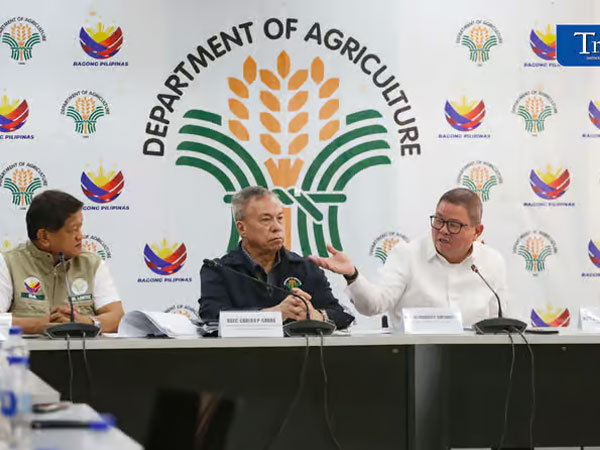
Last month, the Department of Agriculture (DA) reported that corn suffered the brunt of dry spells caused by El Niño Of the 163,812 metric tons (MT) of damaged crops recorded in 14 regions, corn accounted for 126,883 MT valued at P4.9 billion. This happened even before the country could suffer the full impact of a strong El Niño, which is expected to last until the first quarter of 2027.
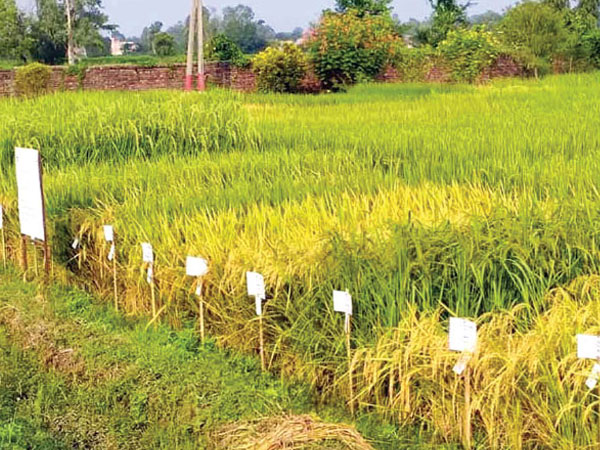
Dry season planting for corn in most parts of the country starts this month while harvest will begin in February. Corn planters, however, have indicated last July that the dry spells would make it difficult for them to surpass last year’s output. Water scarcity caused by El Niño, along with high fertilizer and fuel costs, is expected to reduce their output for the year.
The country usually plugs supply shortfalls by importing the agricultural products it requires, like corn. The latest Bloomberg report may be a welcome development for the state and industries as international prices eased after the United States Department of Agriculture raised its corn production outlook. The US could move the needle on prices because it is the largest producer of corn in the world.
At this point it is unclear how much corn there is outside of the Philippines’s borders that it could procure if the country suffers a shortage, but what is certain is that it is not the only country that will have to deal with a strong El Niño. And these countries will also need additional supplies, particularly if they are hit hard by the weather phenomenon that has occurred more frequently in recent years. Judging by the inability of the country to take full advantage of available technologies like smart irrigation systems, policymakers may have already forgotten the lessons of the previous El Niño episodes.






© Copyright 2025 The SSResource Media.
All rights reserved.