

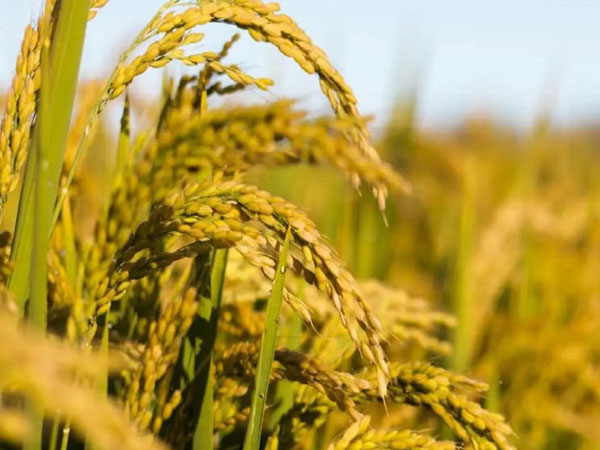
 El Niño and rising production costs are simultaneously threatening rice crops in Asia, raising concerns about rising rice prices, escalating inflation, and the risk of food insecurity.
From Vietnam and the Philippines to India, the increasingly strong El Niño phenomenon is prolonging drought conditions in key rice-producing regions. In India – the world's largest rice producer and exporter – monsoon rainfall since June has been about one-sixth lower than average, impacting planting schedules.
Meanwhile, fuel and fertilizer prices remain high following geopolitical shifts in the Middle East, driving up production costs. Many farmers say they cannot afford to invest further in irrigation systems or fertilization to protect their crops during critical growth stages.
According to the International Rice Research Institute (IRRI), the combination of low rainfall, increased groundwater pumping costs, and reduced fertilizer use is the biggest risk to this year's rice crop. "Each individual factor is controllable, but combined, they pose a significant threat to rice yields," said scientist Alisher Mirzabaev.
Concerns about supply have begun to be reflected in the market. Thai export rice prices – the Asian benchmark – have reached their highest level in 18 months, while rice prices traded on the Chicago exchange have risen by about 40% since the beginning of the year due to fears of supply shortages.
The U.S. Department of Agriculture (USDA) has also lowered its forecast for ending rice stocks and suggests that global production this season could decline for the first time in 11 years.
In Vietnam, El Niño is predicted to affect approximately 350,000 hectares of rice fields. The Philippines and Malaysia have also warned of the risk of reduced yields next year. In Indonesia, the prolonged drought not only threatens crops but could also lead to the country recording its first trade deficit in six years as oil and food prices rise simultaneously.
According to the United Nations Food and Agriculture Organization (FAO), the risk of drought now extends from Pakistan and India through Southeast Asia to Indonesia and the Philippines. For millions of smallholder farmers, each climate shock means the risk of crop failure, reduced income, and increased food insecurity.
Experts believe that if El Niño continues to strengthen in the coming months, rice prices are likely to remain high for the next 12-18 months, forcing countries to accelerate the development of drought-resistant rice varieties and water-saving farming techniques to mitigate the impacts of climate change.




© Copyright 2025 The SSResource Media.
All rights reserved.