

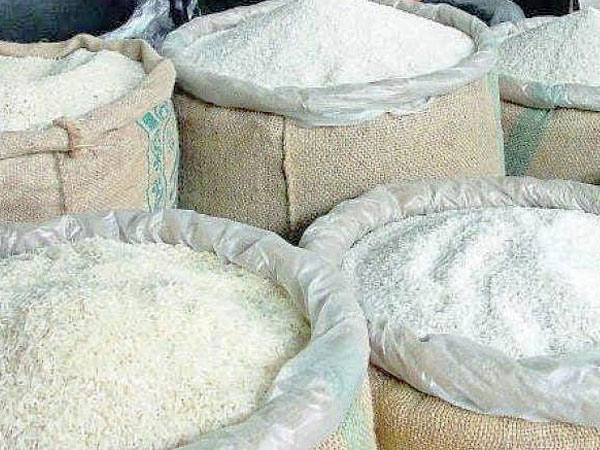
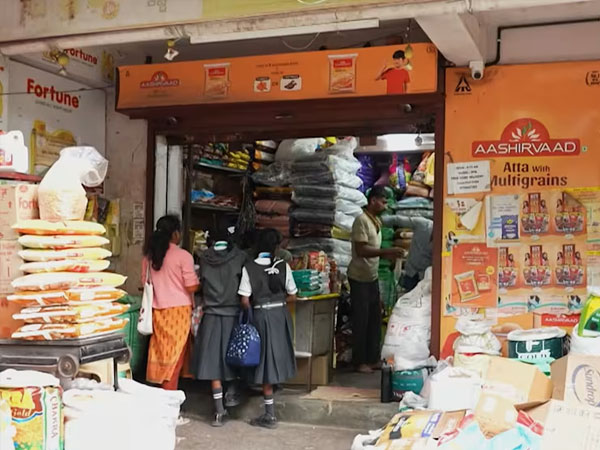
 THE sharp surge in rice prices in Cebu since August is more than just a local inflation crisis; it exposes the fragile supply chain that the Philippines, and especially its major urban centers, rely on to keep its most critical staple food affordable and available.
The sudden price spikes and tightening of supply in a key city like Cebu show how quickly a temporary halt in imports, compounded by severe weather, can push the country to the brink of a food supply crisis, straining the budgets of ordinary Filipino families.
The sudden shortage
The core news is straightforward: Rice prices in Cebu have climbed steeply since early August, driven by a combination of factors:
- The announcement regarding the temporary halt in national rice importation scheduled for September.
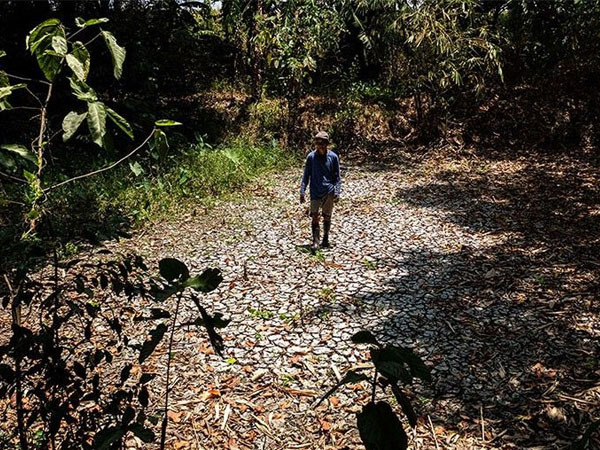
- Successive typhoons (including Typhoon Tino on Nov. 4) that damaged crops and disrupted logistics from producing provinces to Cebu.
- Unusually heavy bulk purchases by local government units (LGUs), the Philippine Red Cross and other humanitarian groups, which rapidly depleted commercial stocks.
Erwin Gok-ong, vice president of the Grains Retailers Confederation of the Philippines (GRCP) Cebu City north chapter, confirmed both the price increase and the shortage, calling it one of the tightest supply conditions of the year.
The big picture context: A perfect storm of shocks
The crisis in Cebu is a textbook example of how a localized supply shock can be amplified when national policy and natural disasters intersect.
Philippines is a major rice consumer and local production is often insufficient to meet demand, making importation a necessity to stabilize prices. The National Government’s decision to halt importation for September, intended possibly to encourage local purchase, coincided disastrously with disruptive weather.
The GRCP noted that the price of imported Ganador rice, for instance, soared from P1,980 to P2,020 per 50-kilogram sack in
early August to a range of P2,650 to P3,000 today. Other local varieties and even corn rice, a staple alternative, have seen significant increases. This situation highlights the country’s dependence on a smooth flow of both domestic and imported rice.
Why the supply crisis matters now
The tightening supply has several immediate and serious consequences for ordinary people:
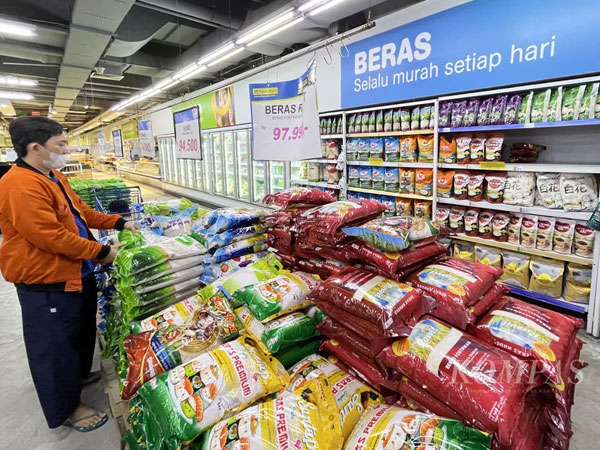
- Household Budgets: An average price increase of P500 per sack since August puts immense pressure on low-income families, for whom rice is the main food expenditure. Retailers warn the shortage will inevitably translate into even higher retail prices.
- Disrupted Commerce: Retailers are resorting to rationing stocks or prioritizing long-time customers, forcing other buyers to be turned away.
- Alternative Staples Affected: The price of corn rice jumping from P37 to P47 per kilogram shows that even traditional, cheaper alternatives are not insulated from the pressure on the rice market.
Voices and perspectives on government action
The situation has prompted urgent calls for government intervention, contrasting the industry’s need for swift action with what some perceive as a slow official response.
“In the past, whenever rice prices increased or supply tightened, the DTI (Department of Trade and Industry) and the National Government acted quickly, but now the response appears slow,” Gok-ong said, emphasizing the need for immediate relief.
Retailers are warning that without action, the crisis could become “full-blown” in the coming months. The industry perspective is clear: local production alone cannot meet demand and the key to stability lies in national policy decisions.
What caused the sudden demand spike
The retail market was unprepared for the large, sudden orders from government units and relief organizations. These bulk buyers, including LGUs, the Philippine Red Cross and teams preparing for presidential visits, required hundreds of sacks for distribution. As Gok-ong put it, “That sudden demand is why stocks dried up quickly.”
Why importation is the immediate fix
Local rice supplies are currently coming mainly from Mindanao, Luzon and Iloilo. However, the cumulative effect of typhoon damage on local crops and the depletion of commercial reserves by bulk purchases means this domestic flow is not enough. The industry believes importation must resume quickly to inject immediate volume into the market and bring prices down.
The outlook for local production
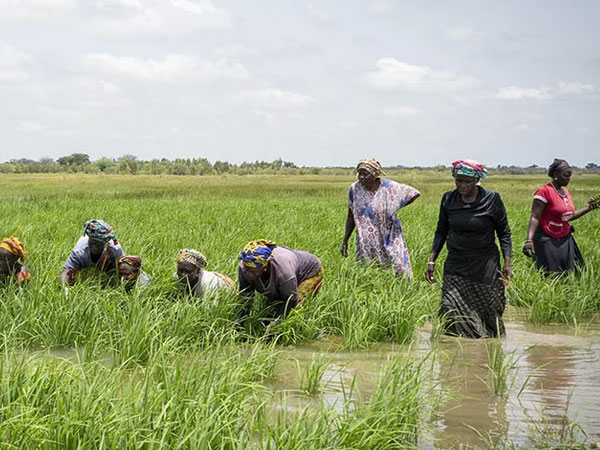
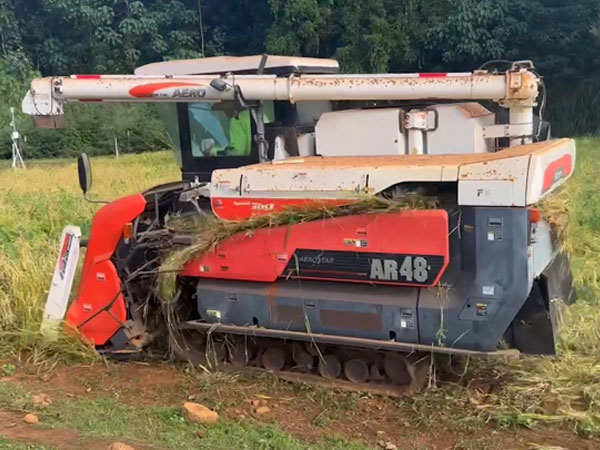
While the immediate situation is dire, there is a glimmer of hope tied to the weather. If typhoon activity lessens, the January or February harvest could be good. However, Gok-ong stressed a key ultimatum: “But importation must resume by Jan. 1. Local production alone is not enough to meet demand.”
What to watch for next
The immediate focus is on the National Government’s next moves. Cebu’s retailers are urging a swift decision on the resumption of rice importation early next year, as the tight supply conditions are likely to continue through the holiday season and into the new year. The ongoing debate over the correct balance between protecting local farmers and ensuring cheap, adequate rice supply for urban centers will intensify. Consumers will need to watch for announcements on import quotas and whether new typhoons will further disrupt the anticipated early 2026 harvest. / CAV




© Copyright 2025 The SSResource Media.
All rights reserved.