

 The US-Iran conflict is heavily impacting food and freight markets. Two critical chokepoints are now simultaneously closed, throwing container lines into crisis and leaving fertiliser and food flows constrained. Unless maritime stability returns to Hormuz and the Red Sea, food producing and food importing nations alike will face rising costs, unpredictable shipping schedules and renewed pressure on food security.
Critical Maritime Chokepoints Close Simultaneously
The shipping industry is in a state of emergency, with war risk surcharges now ranging between USD 3,000–4,000 per container. Widespread booking suspensions for Hormuz and the Red Sea have been reported.
This is not the first time Middle Eastern conflict has disrupted oil and freight flows. During the 12-day Israel–Iran war in June 2025, Brent crude briefly spiked above USD 80/bbl before falling back within two weeks. However, the scale today is vastly different, due to US involvement and dual chokepoint disruption.
One of the defining features of the current crisis is the unprecedented simultaneous disruption of both the Strait of Hormuz and Red Sea/Bab el‑Mandeb/Suez Canal corridor. With Hormuz “effectively closed” and Red Sea/Suez transits suspended by multiple carriers, global logistics networks have lost access to two arteries essential for moving foodstuffs, fertilisers, feedstocks and refrigerated perishables.
Iran’s retaliatory missile and drone attacks have also hit Gulf nations hosting US bases, prompting carriers and insurers to reassess route safety. Major container carriers including Maersk, CMA CGM, MSC, COSCO, HapagLloyd, ONE and OOCL have responded by halting Middle East bookings, imposing emergency war risk surcharges or rerouting ships around the Cape of Good Hope.
Logistics Impacts Spread Across Middle East
Just a week ago, some operators were cautiously preparing for a partial return to the Red Sea and Suez routes. That possibility has now disappeared; transit times are longer as vessels divert around Africa, while schedule reliability continues to deteriorate.
Now, equipment availability, especially for containers and reefers, is tightening, and additional cost pressures are mounting as carriers add emergency surcharges.
The loss of reefer capacity is especially concerning. Perishable food exports such as fruit, vegetables, meat, dairy and pharmaceuticals depend on refrigerated containers. CMA CGM’s suspension of all reefer bookings to the region signals an impending bottleneck that will impact Asia–Middle East and Europe–Middle East food supply chains.
Maersk has halted all vessel crossings through the Strait of Hormuz and rerouted key services around the Cape of Good Hope. MSC has suspended all bookings to the Middle East. CMA CGM has instructed vessels in or bound for the Gulf to divert to safe positions, suspended Suez transits and introduced an Emergency Conflict Surcharge. Hapag‑Lloyd has also diverted services via the Cape and applied a War Risk Surcharge.
Regional port vulnerability has also been illustrated by the recent temporary suspension of operations at Jebel Ali following a fire caused by intercepted aerial debris. Although operations have resumed, backlogs remain likely, and further diversions to alternative ports could fuel congestion across Gulf and transshipment hubs.
Airfreight networks are similarly strained by airspace restrictions and airline suspensions, with backlogs building and limited capacity for urgent shipments. While the global container market had been structurally soft, shippers must now include buffer time, reconfirm carrier availability, anticipate further surcharges and plan Middle East cargo with caution.
Food Supply Chains Face Immediate Stress
Sugar Refining and Export Disruptions
The Gulf refineries in Dubai, Iraq, Bahrain and Iran play a significant role in regional white sugar trade. Sugar flows through Hormuz are now severely restricted, and refiners already suffering operational constraints, such as Al Khaleej in Dubai (following a recent fire), will struggle to source raw sugar and export refined whites. This could mean afloat raw sugar cargoes looking for new buyers but also a drawdown in regional white sugar stocks.
Fertiliser Flows Threatened
Approximately 33% of the world’s urea moves through the Strait of Hormuz. With Hormuz effectively closed, global fertiliser markets are likely to react swiftly.
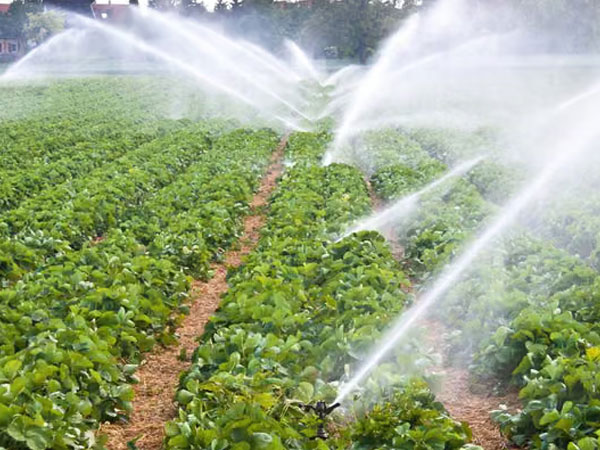
Fertilizer access is crucial for major agricultural producers, and any sustained disruption can affect planting windows and yields. This vulnerability is particularly acute for South Asia, Brazil, East Africa and parts of the EU, where fertilizer imports through Gulf producers underpin crop cycles.











© Copyright 2025 The SSResource Media.
All rights reserved.