

 This new series from India Today Science shines a light on how climate change is affecting the plate in our hands as it hits daily staples around us. India's rice problem has created a climate loop and faces a bleak future.
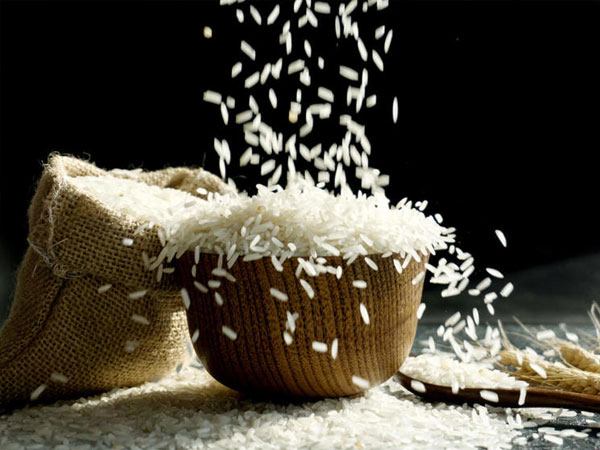
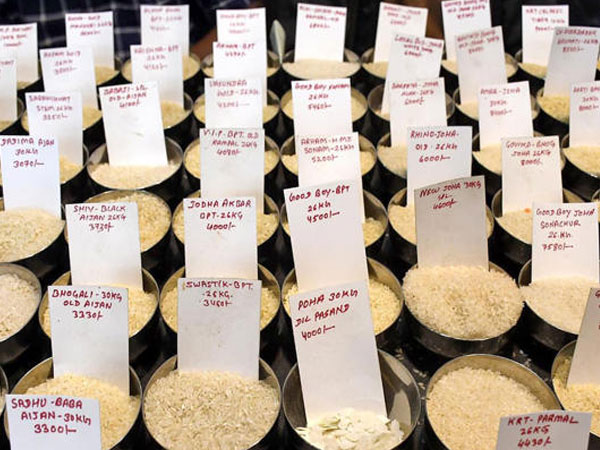
From staple dishes, like dal-chawal to delicacies like kheer made in countless kitchens across the country, the grain has been woven into our daily lives for centuries.
But there’s a troubling side to the staple grain that most people miss.
India’s paddy fields are a significant driver of climate change. And the climate change that rice is fuelling is warming the planet, and thus, hurting the grain that feeds millions.
It's another climate-loop.
HOW DOES RICE FUEL CLIMATE CHANGE?
Rice is popular across India. But the process of growing the grain hurts the climate more than most people realise. And then, climate returns the favour.
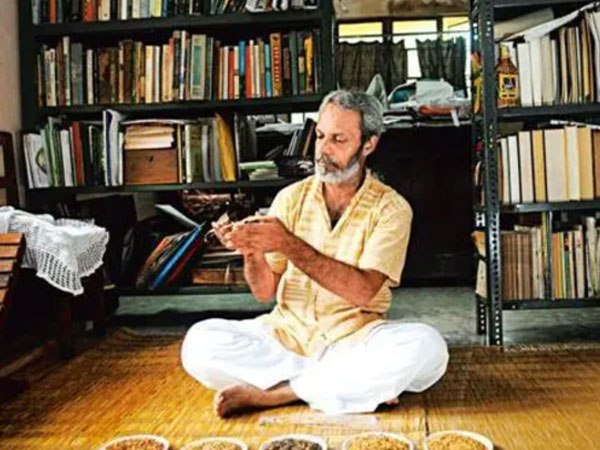
"While it [rice] ensures food security for a large population, it triggers environmental concerns like production of methane gas, which is a potent greenhouse gas that causes ozone layer depletion, and intense water consumption as rice is highly water-intensive, often depleting underground water resources, especially in areas with poor irrigation infrastructure," said Harikumar Balakrishnan Nair, the former Director of the Agriculture Development and Farmers Welfare Department for the Government of Kerala.
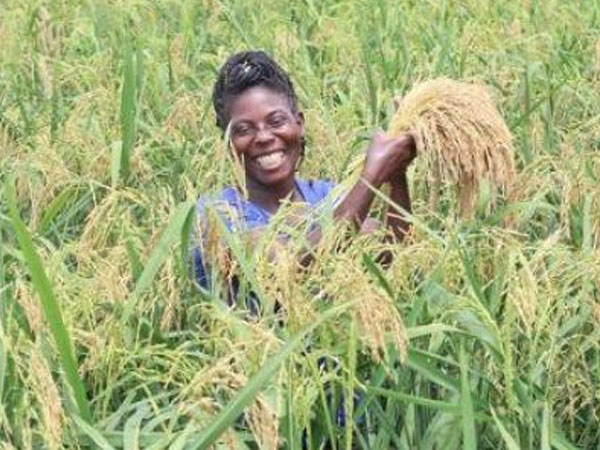
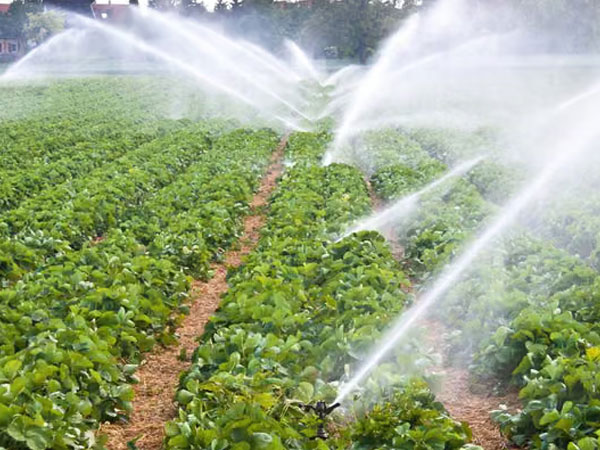
To grow rice, paddy fields are flooded for months, allowing bacteria in the waterlogged soil to keep releasing methane, which is far more damaging to the atmosphere than CO2.
Nair added that rice is a monoculture farming crop and its cultivation can also lead to nutrient depletion, soil pollution from pesticides, and the degradation of soil health.
Monoculture farming is the practice of growing a single crop species on a land for many years.
A study measured emissions from 726 paddy fields across India and found that methane emissions have been rising steadily over the past five decades.
In a way, every flooded paddy field is a slow, invisible exhaust pipe. That is a problem for India, which produces around 150 million metric tonnes of rice annually and recently overtook China to become the world's largest producer of rice.



© Copyright 2025 The SSResource Media.
All rights reserved.