

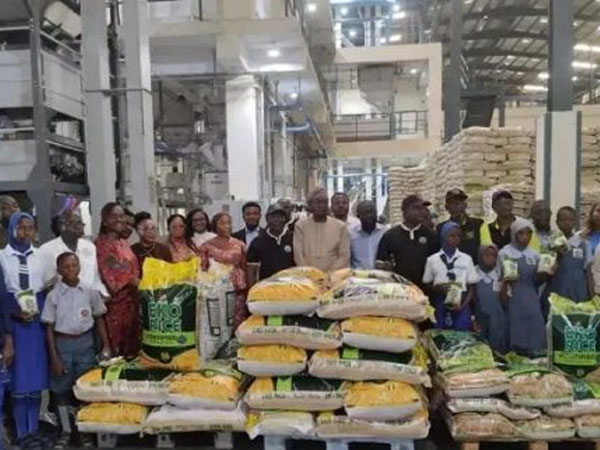
 Lagos is positioning itself to tap into the surging global fortified rice market, which analysts project will reach $36.6 billion by 2033, up from $20.8 billion in 2023. The rapid expansion is driven by escalating global concerns over malnutrition and a rising demand for low-cost nutritional interventions, particularly across developing nations.
Experts have argued that large-scale fortification of rice in Nigeria is essential to delivering key micronutrients that can reverse deficiencies such as anemia. In response, the Lagos State Government has commissioned a fortified rice kernel blending machine and launched a new fortified Eko Rice brand enriched with iron, zinc, cobalamin (Vitamin B12), folic acid, pyridoxine, niacin and thiamine.
Special Adviser to the Governor on Agriculture and Food Systems, Dr. Oluwarotimi Fashola, said the initiative marks a major milestone for the state’s food security agenda.
He said: “In our continuous effort to improve, I’m pleased to announce that our mill has been optimized to produce high-quality fortified rice. This achievement positions us among the very few rice mills in Nigeria with the capacity to fortify rice with essential micronutrients such as iron, zinc, folic acid, and Vitamins B1, B3, B6, and B12. This is no small feat. By fortifying our rice, we are not only meeting the demands of the growing demand for rice in the country, but we are also addressing the pressing issue of malnutrition, which remains a challenge for many Nigerians. We are proud to be part of a solution that can make a tangible difference in improving the nutritional quality of food available to our people.”
Fashola added that Lagos and its international partners are committed to strengthening food security and raising nutritional standards. He disclosed that the fortified rice will be incorporated into the state’s school feeding programme to support vulnerable groups including pregnant women, infants and the elderly.
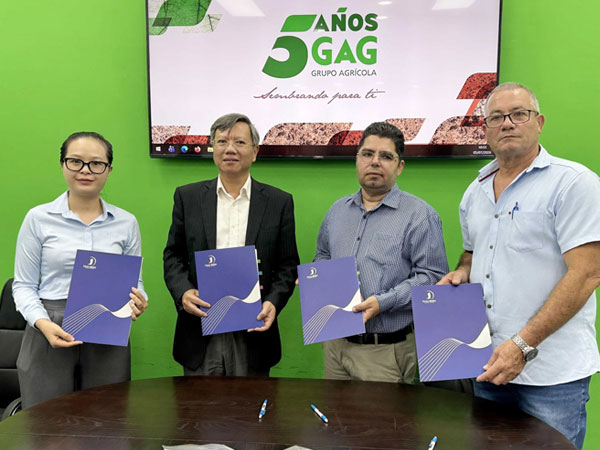
The rice fortification project is supported by global development partners such as the World Food Programme (WFP) and TechnoServe. LSFF Portfolio Lead at TechnoServe, Ayodele Tella, reaffirmed the organisation’s dedication to enhancing technical capacity within Nigeria’s rice processing sector. She stated that TechnoServe would “continue supporting the expansion and acceleration of the rice-fortification programme in Nigeria.”
The Permanent Secretary, Ministry of Agriculture and Food Systems,Mr Emmanuel Audu also reiterated the government’s commitment to expanding fortified rice production. He emphasised that sustained cooperation from local stakeholders is vital to ensuring consistent quality, noting that the state is investing in advanced processing facilities to meet rising demand for the staple. According to him, the fortified rice brand is enriched with critical vitamins and minerals that can help reduce widespread nutrient deficiencies.
Technical Specialist, Food Quality Supply at the United Nations World Food Programme, Melas Adoko, said the WFP is fully backing the Lagos Rice Mill’s fortification efforts as part of its mandate to improve nutritional outcomes for vulnerable populations. He explained that the fortified rice “will be used to improve the quality of school meals across Nigeria,” adding that WFP will continue strengthening millers’ capacity to invest in fortification technology. He reaffirmed the organisation’s “commitment to supporting global efforts to achieve sustainable food security and improve nutrition worldwide.”
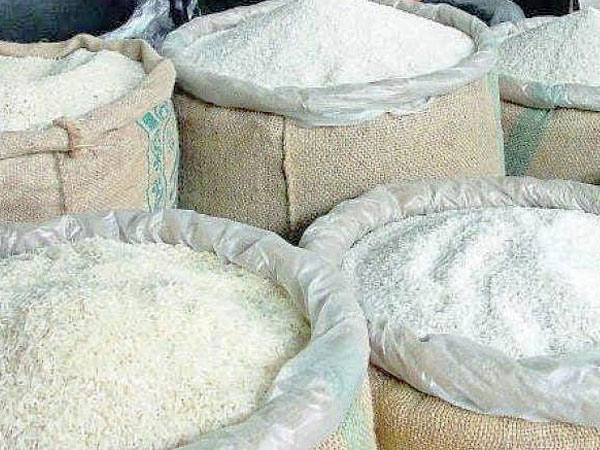
The broader global rice market also continues on a growth trajectory. Forecasts,according to https://ssricenews.com/rice-news/ showed global rice volume is expected to reach 889 million tonnes and a value of $634.8 billion by 2035. In 2024, consumption slipped slightly to 793 million tonnes after four years of expansion, even as market revenue rose to $516.2 billion. China and India remain the dominant actors in both production and consumption, accounting for more than half of global totals. International trade has grown significantly, with imports reaching 57 million tonnes and exports hitting 59 million tonnes. India remains the world’s leading exporter, while the Philippines recorded the fastest import growth.




© Copyright 2025 The SSResource Media.
All rights reserved.