

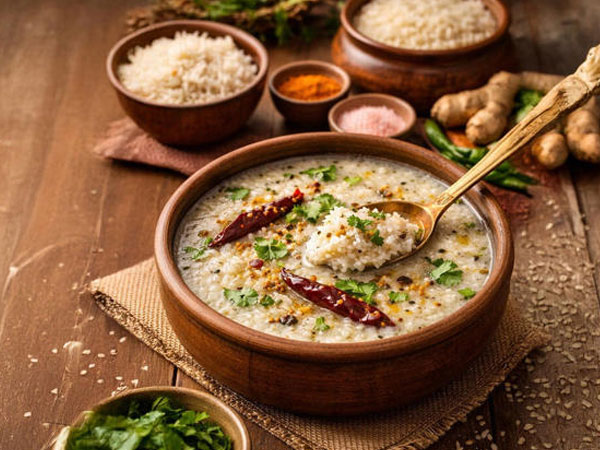
 In homes across India, a simple bowl of kanji, or rice porridge fermented by soaking overnight, has long promised digestive relief and vitality. Now, research from Chennai’s Govt Stanley Medical College Hospital has elevated this tradition to a potent remedy, rich in probiotics and iron. Dr S Jeswanth, director, Institute of Surgical Gastroenterology and Liver transplantation, who led the research, tells Pushpa Narayan how fermented rice is ideal for anaemic girls and pregnant women, and those with irritable bowels
Why is rice kanji, or fermented rice porridge, good for health?
It’s a traditional food in most Indian homes and excels as a gut healer and iron booster, especially for pregnant women and those with anaemia. Our research shows natural fermentation of rice overnight enriches the presence of lactic acid bacteria, which break down anti-nutrients in rice and release minerals such as iron for better absorption. Probiotics like Lactobacillus foster gut health, easing ulcerative colitis, Crohn’s, and irritable bowel disease (IBD). A study on 55 patients who took this kanji for six months on an empty stomach showed that severe cases became symptom free and 30% of IBD patients were completely cured. Fermentation of rice also raises calcium, potassium, fibre, and resistant starch, and offers anti-inflammatory and antioxidant benefits.
How does overnight soaking make the change happen?
Fermentation enhances nutrients through microbial activity and enzymatic breakdown. Lactic acid bacteria such as Lactobacillus produce enzymes called phytases, which degrades phytic acid — an anti-nutrient that binds iron, calcium, zinc, and potassium — and releases nutrients for better absorption. Our lab studies have shown fermentation converts carbs in rice to prebiotics and enriches for probiotics (beneficial bacteria such as Lactobacillus) and postbiotics (of well over 200 metabolites). These metabolites are bioactive compounds from microbial breakdown, with anti-inflammatory, antioxidant, neuroprotective, and cardioprotective effects. Evidence shows that resistant starch, the indigestible carbohydrate fraction, increases during soaking as microbes restructure it to resist small intestine breakdown, reaching the colon intact. There, gut bacteria ferment it into short-chain fatty acids such as butyrate, fuelling colon cells, lowering pH, boosting good microbes, stabilising blood sugar, and reducing colon cancer risk.
Any method for preparation?
It’s one of the simplest traditional recipes. We used leftover cooked rice and found similar results for most varieties such as parboiled, raw or mapillai samba rice used in Tamil Nadu. Soak one cup cooked rice in two cups of water in a clay pot for 8-10 hours in summer or up to 14 hours in winter to ferment. We ask people to drink the water and eat the mashed rice as breakfast. Add-ons like salt, heeng, onions, coriander, and buttermilk are permitted in some cases, but those with hypertension should avoid salt. Some people have it with dried fish or a carrot, cucumber, and sprout salad. In West Bengal, people mix boiled potatoes, raw onions, chilli, mustard oil, and salt as a side dish.
Why earthen pots for soaking?
Clay vessels enhance rice fermentation by creating an optimal microbial environment. Porous clay allows slight air exchange while retaining moisture, promoting Lactobacillus without excess oxygen that could spoil the batch. Clay’s natural cooling effect maintains 25-35°C, ideal for 8-14 hour fermentation, preventing overheating. Also, mineral leaching helps increase levels of calcium, magnesium, and trace elements, balancing pH (dropping to ~4) for nutrient bioavailability.
Is it only for gut ailments?
We suggest it for everyone. Odisha even celebrates Pakhala Dibasa every year to honor Pakhala, a traditional fermented rice dish like pazhaya soru kanji in Tamil and panta bhaat in Bengali. The festival was introduced to popularise this dish beyond Odisha, spreading awareness about its nutritional benefits and cultural importance. It’s also served as prasad in their temples. Tamil Nadu is exploring a similar day to promote the dish as well. But, more importantly, health officials are looking at options to make it popular among young girls and pregnant women to combat anaemia. Consuming it on an empty stomach for breakfast maximises benefits such as gut repair.









© Copyright 2025 The SSResource Media.
All rights reserved.