

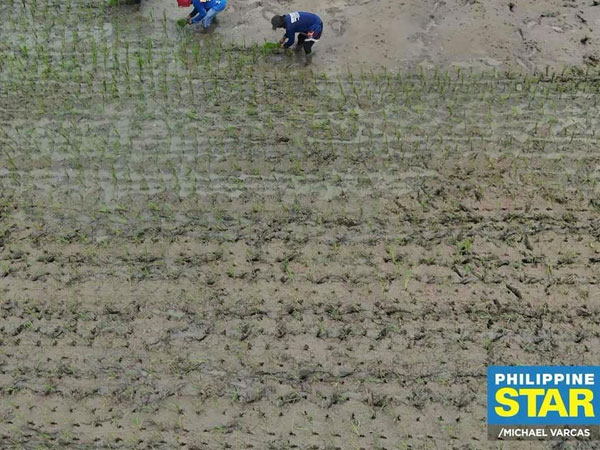
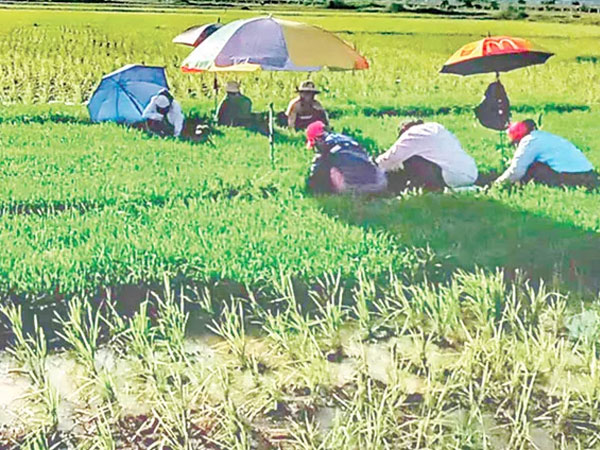
Rice farmers who spoke with NewsNation painted a bleak picture of the industry, as many cannot afford to keep farming with the competition of cheap foreign rice flooding the market.
Many multigenerational farmers are walking away or piling on massive debt, and government aid likely won’t help enough.
Struggling rice farmers also have to contend with fertilizer and fuel tripling in price due to the war in Iran.
“Farmers are quitting. It’s impossible for a young beginning farmer to get started without a substantial amount of free help from, typically, a parent or family member,” said Mark Pousson, a fifth-generation rice farmer. “The number of those beginning farmers is shrinking. It’s not a matter of, ‘How much we’ll make?’ It’s a question of, ‘Will we be doing this next year?’”
Sleeper cells bringing ‘war to America’ is a reality, security experts say
The Trump administration has tried to help, including an upcoming one-time payment of $12 billion.
Pousson, however, said that figure is just a drop in the bucket compared to the debt the industry is carrying.
Agriculture Secretary Brooke Rollins described the payment as a bridge for farmers to get through to the next planting season. She said $11 billion would be available for one-time payments and $1 billion set aside to ensure the department can meet other needs.
“This is the bridge that is needed to get from the last administration under last president to a new golden age of farmers,” she said. “Instead of farming for government checks, they will be able to farm to feed their families and sell their crops.”
Trump added that the administration would be removing environmental restrictions on companies that make tractors and other farming equipment.
Iran may be activating sleeper cell operations — What we know
While farmers politically supported Trump, they have faced uncertainty as a result of his tariff policy and escalating global trade war.
Farmers who grow commodities, including soybeans, sorghum, corn, rice, wheat, potatoes and cotton, have struggled as other countries have purchased less from the U.S. during trade negotiations.
More than half of U.S. soybean and sorghum crops go to China, but the country stopped buying as Trump continued to impose high tariffs on Chinese goods.





© Copyright 2025 The SSResource Media.
All rights reserved.