

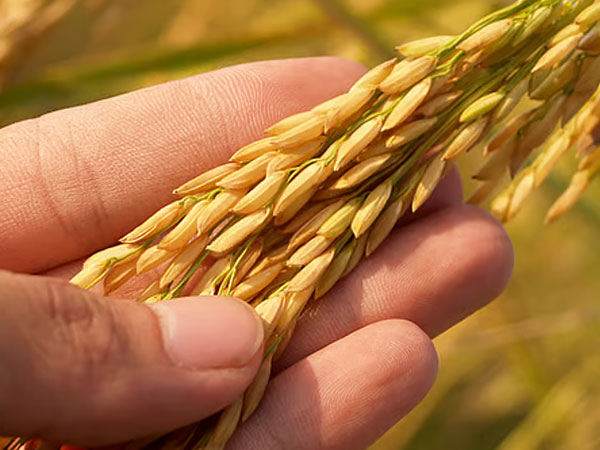
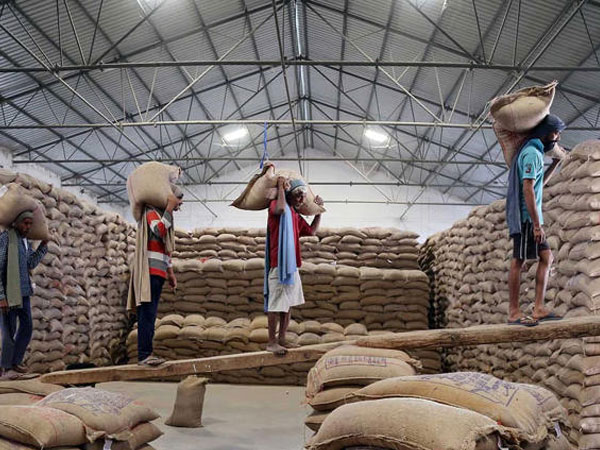
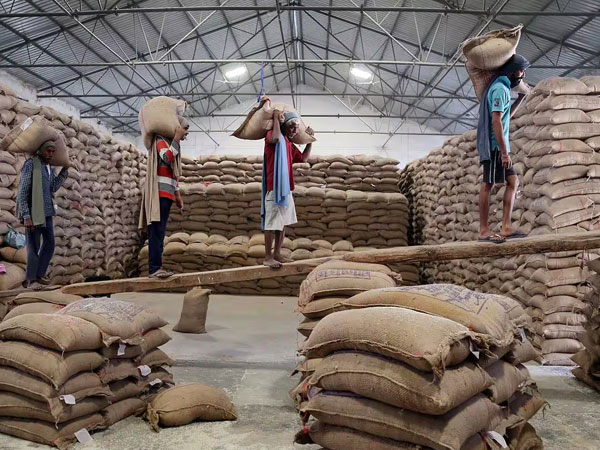
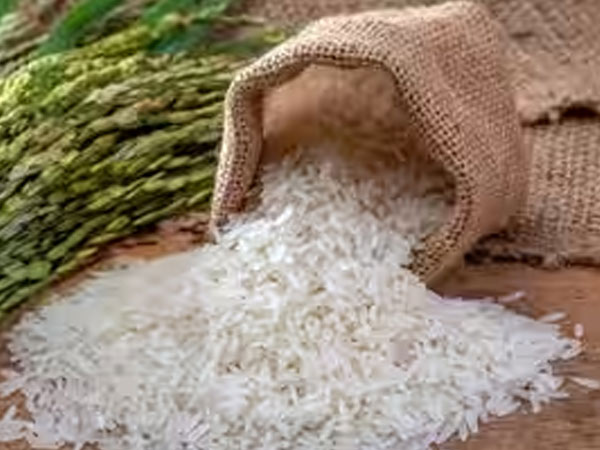
 The buffer stock can last for 10 days, which is enough to feed the Philippines for 30 days.
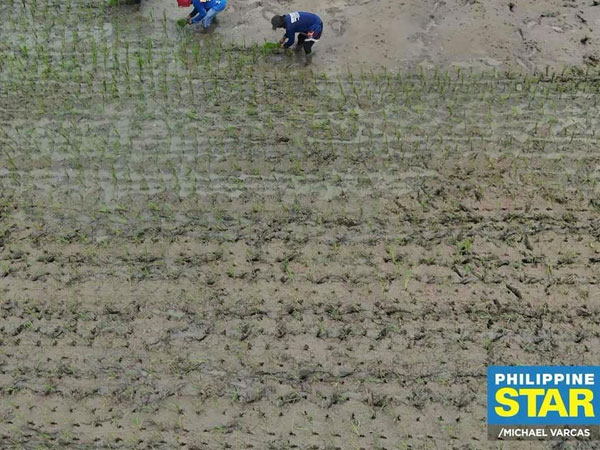
The National Food Authority (NFA) said it will purchase palay from farmers at P17 per kilo for fresh (unhusked) and P21 per kilo for dry palay, lower than the current traders’ national average rates of P21 and P25 per kilo
In a radio interview on Sunday, NFA Administrator Larry Lacson said buying palay earlier this month could push market prices higher.
“If we were to buy palay from the harvest at this time, we would only add more pressure that could push prices higher,” he said in Filipino.
Lacson said the agency will wait for prices to stabilize before purchasing palay toward the end of March to replenish the national buffer stock.
The NFA has an annual palay procurement target of 790,000 metric tons, but the food authority said current government funding is insufficient to meet the goal.
“We are not confident that we can buy the entire target. For this particular season, we hope to purchase enough to replenish the stocks we have released — roughly enough for three days — so that we have adequate buffer stock going into the lean months of the rainy season,” Lacson said in Filipino.
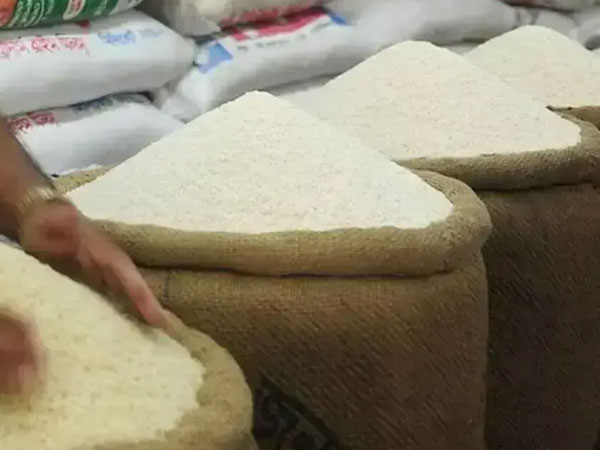
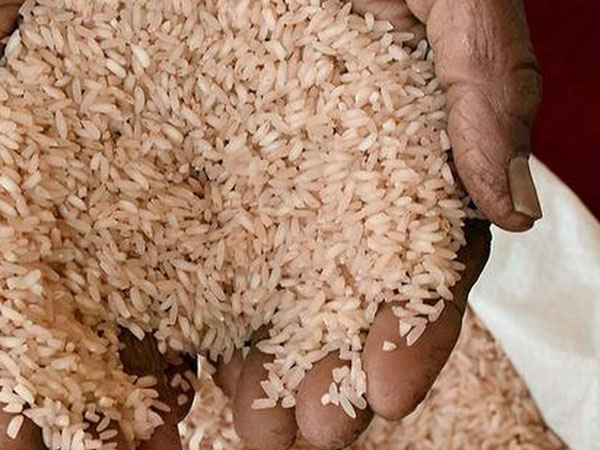
The NFA assured the public that rice stocks remain stable and sufficient, noting that supply levels have increased due to ample availability.
Lacson added that additional storage space will be available by early April to secure the country’s rice supply.
“The National Food Authority has sufficient rice supply. This means our buffer stock can last for 10 days, which is enough to feed the Philippines for 30 days,” he said.
Meanwhile, the Department of Agriculture (DA) said it will release P5,000 fuel subsidies to mechanized farmers affected by rising oil prices.
Agriculture Secretary Francisco Tiu Laurel Jr. said the assistance follows a P50-million sub-allotment secured by the DA, benefiting 9,570 farmers listed in the Registry System for Basic Sectors in Agriculture, as provided under the General Appropriations Act.
The DA said the rise in diesel prices has increased production and transport costs for mechanized farming operations.
Threshold
The subsidy was triggered after global oil prices exceeded the government’s $80-per-barrel threshold, with the 30-day average reaching $89.02 per barrel as of 13 March, based on data certified by the Department of Energy.
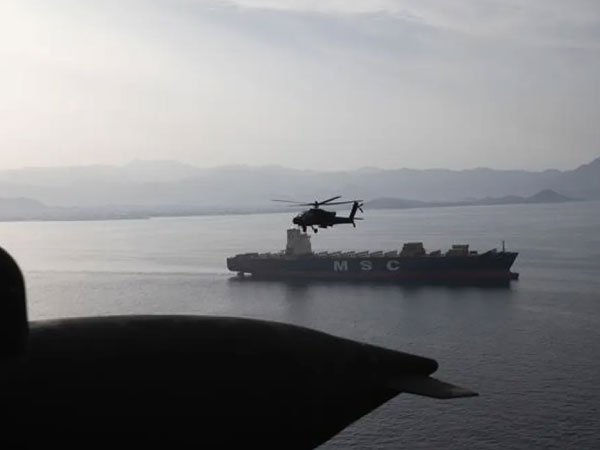
“The spike in oil prices has been driven largely by escalating tensions in the Middle East, where supply risks have tightened global energy markets. For oil-importing countries like the Philippines, the impact is immediate and broad-based — raising input costs for agriculture, increasing transport fares, and adding pressure on food inflation,” the DA said.
The DA added that a separate fuel subsidy is already being distributed to fisherfolk and that additional support measures are being explored for farmers and fishers affected by global energy disruptions





© Copyright 2025 The SSResource Media.
All rights reserved.