

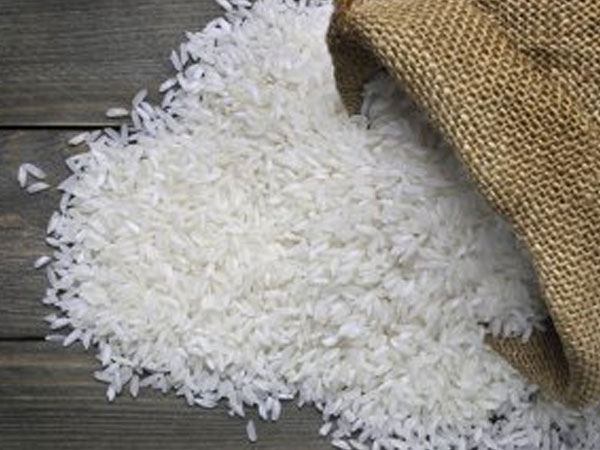
 Rising global oil prices are beginning to ripple through agricultural markets, with rice trade showing divergent trends across key exporting nations. While India’s export prices have remained stable, competitors such as Vietnam and Thailand are witnessing upward pressure due to higher fuel and freight costs.
India’s rice export rates held firm during the week. According to a Reuters report, “India’s 5 per cent broken parboiled rice was quoted at USD 341 to USD 348 per metric tonne, unchanged from the previous week, while 5 per cent broken white rice held at USD 336 to USD 341 per tonne.”
Despite stable pricing, demand conditions remain uneven. Exporters indicate that higher freight costs, particularly for bulk shipments, have dampened buying interest from African markets. A Kolkata-based exporter noted that demand from Africa has weakened due to elevated shipping costs.
In contrast, competing exporters have seen prices rise. Vietnam’s 5 per cent broken rice increased to around USD 375 per metric tonne, up from USD 350–USD 355 a week earlier, as supplies tightened with the winter-spring harvest nearing completion. Traders in Ho Chi Minh City attributed the rise to limited availability.
Thailand has also recorded an uptick, with prices reaching USD 370–USD 375 per tonne. According to a Bangkok-based trader, this reflects irregular demand from Europe and parts of Asia outside the Middle East, alongside higher logistical costs.
The primary driver behind these shifts is the rise in global fuel prices. Increased energy costs are pushing up expenses across the rice value chain—from harvesting and processing to transportation and exports. Ongoing geopolitical tensions in the Middle East are further exacerbating cost pressures, particularly through higher shipping and insurance expenses.
The African market, a key destination for Indian rice, has slowed imports in response to rising freight costs. Meanwhile, buyers in other regions are adopting a cautious approach amid volatility and uncertain logistics pricing.
India, supported by ample supply, currently serves as a stabilising force in the global rice market. However, this relative calm may be temporary. If fuel and freight costs remain elevated, Indian export prices could come under upward pressure, potentially affecting competitiveness as well as domestic inflation dynamics.
The broader trend highlights how fluctuations in global oil prices are increasingly influencing food markets, with rice emerging as a key indicator of how geopolitical tensions can reshape global trade flows.









© Copyright 2025 The SSResource Media.
All rights reserved.