

 Government’s nonstop imports demoralize 2.4 million farmers. Local harvests can crash. If foreign prices skyrocket due to war or climactic catastrophe, consumers will suffer.
Federation of Free Farmers and Magsasaka party bared the sins:
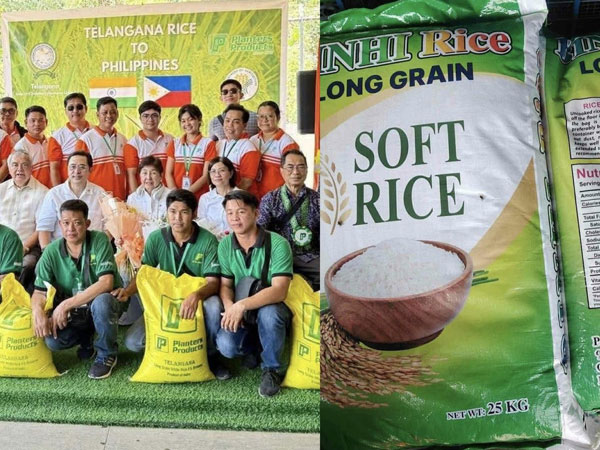
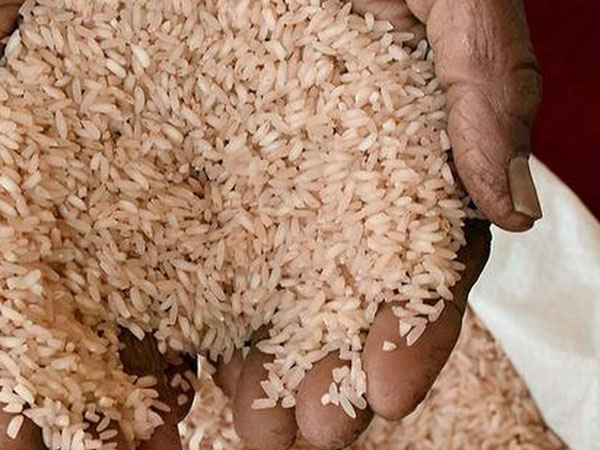
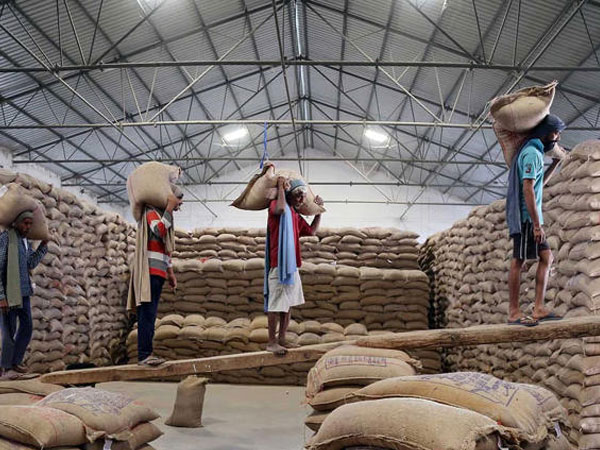
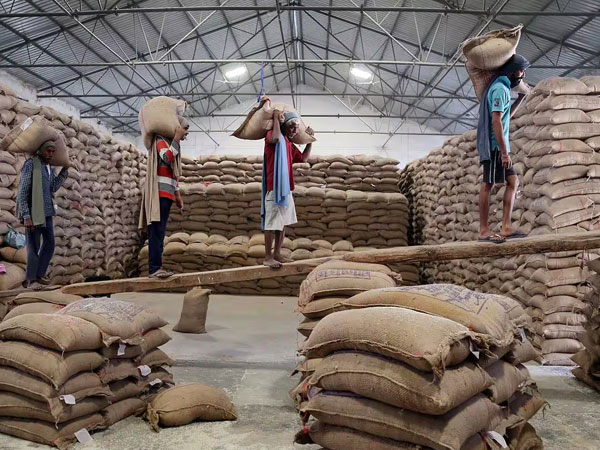
Sequestered company Planters Products Inc. has brought in 1,723,680 sacks of rice and is importing more.
The mystery is where penniless PPI got P2 billion for the rice alone, excluding sacks, freight, insurance, duties, warehousing and other import costs.
PPI is a government-owned and -controlled corporation. The secretary of agriculture appoints PPI’s board of directors by voting 79.24 percent under Planters Foundation Inc.
PPI’s 50-kilo sacks came in three batches. First, in April 2025, was 255,000 sacks from India. Second, July 2025, 200,000 sacks also from India. Third, January 2026, 1,268,680 sacks from Vietnam, Thailand and Myanmar.
Another 1,545,000 sacks worth nearly P2 billion are due from India, FFF and Magsasaka leader Leonardo Montemayor decried.
Food Terminal Inc. is retailing an undisclosed volume of rice from Vietnam.
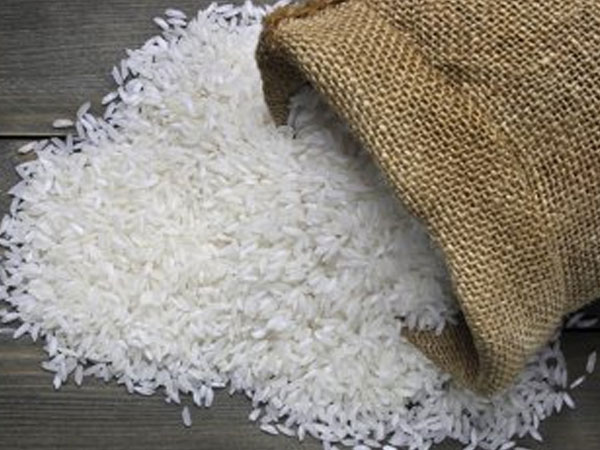
The frontside of the 25-kilo sacks states, “Binhi Long Grain Soft Rice.” The backside says, “Rice storage; Nutrition facts; Cooking instructions; Product of Vietnam; Crop year 2026.”
A private mill imported the Vietnam rice and consigned it to FTI, Montemayor disclosed. As a GOCC, FTI is prohibited from selling imported stocks.
FTI is fully owned by National Food Authority, which the secretary of agriculture chairs. The President appoints FTI’s board with the secretary’s concurrence.
Montemayor listed the five laws that PPI and FTI broke:
Government Procurement Reform Act, RA 9184 of 2003, and its many amendments, all of which require public announcement and bidding observed by NGOs and media reps.
News of PPI’s imports came only from an Indian embassy press release on Apr. 16, 2025: “… long grain rice from Telangana State Civil Supplies Corp. Ltd. PPI’s CEO-president Maria Zenaida Angping welcomed the shipment at Orion dockyard, Bataan with Mr. JC Kandpal, SS (E&C) at the embassy.”
Nearly a year later, March 24, 2026, The New Indian Express reported a heated exchange at Telangana State Assembly. Alleging massive scam in rice exports to Manila, deputy floor leader T Harish Rao demanded scrutiny. More so since Prem Chand Garg, while facing multiple fraud charges, oversaw the deal.
Rao said there was no public bidding and a private firm was simply assigned to handle the export. Denying any wrongdoing, Civil Supplies Minister N. Uttam Kumar Reddy accused Rao of wanting his own crony to handle it.
Rice Tariffication Law, RA 11203 of February 2019, which forbids government from any more rice importing.
National Food Authority was restricted to emergency buffer stocking of palay from local farmers. Imports were granted to private firms at 35-percent duty if from ASEAN neighbors and 50 percent if from elsewhere.
Before this law, NFA racked up hundreds of billions in losses due to importing at high costs and retailing lower than local harvests. Successive NFA and Malacañang officials were exposed for kickbacks. At one point, supposed government-to-government deals were made with Vietnam, but behind closed doors and with private brokers.
At its peak, NFA imported four million tons or 80 million sacks per year. Kickback per ton was about $50, or P10 billion for the bulk. Payolas were drawn even from jute sacks, three cents apiece, or P120 million.
RA 12078 of December 2024, which allows the President or DA to import rice due to supply shortage or price spike. The secretary, on recommendation of the National Price Coordinating Council, must first declare a shortage or food security emergency.
On Feb. 3, 2025, Tiu-Laurel declared such emergency. Two months later PPI, not NFA or subsidiary FTI, made the P20-billion import from a mere P90-million recorded income in 2024.
In January 2026, Tiu-Laurel extended the emergency period, apparently to cover new imports from India.
The law empowers DA to inspect warehouses and regulate importers for quality. Such regulation requires disclosure of import sources and price.
No such info is stated in FTI’s Binhi sacks. Tiu Laurel has been unable to stop large-scale rice smuggling and overpricing.
Sagip Saka Act, RA 11321 of April 2019, which authorizes national agencies and local units to directly purchase agricultural and fishery products from registered cooperatives and enterprises, bypassing traditional bidding.
The keyword is “local,” not imported.
Yet Tiu Laurel justified the imports on Mar. 19, 2026: “Kaya kami naglabas ng PPI rice at Binhi, ‘yung PPI rice ay P45 per kilo, that’s one way for us to give consumers a better price. Kasi sa panahon na ito, maraming nagsasamantala.”
Executive Order 101, October 2025, directing full implementation of Sagip Saka Act.
All national agencies, GOCCs, state universities and colleges and local units must prioritize direct procurement of agricultural products from accredited farm and fishery cooperatives.
So why are PPI and FTI still importing and distributing foreign rice? Doesn’t President Bongbong Marcos’ order carry any weight?



© Copyright 2025 The SSResource Media.
All rights reserved.