

 BANGLADESH’S food grain imports soared in the first half of the 2025-26 marketing year, as the private sector reacted to government initiatives aimed at strengthening buffer stocks, mitigating market volatility, and safeguarding national food security amid escalating global geopolitical uncertainty.
According to data from the Bangladesh Food Ministry, wheat imports by both the public and private sectors in the six months to December 31 totalled 4.2 million tonnes (Mt). This was 42 percent higher than the same period in 2024, with wheat accounting for 84pc, or 3.5Mt, and the 700,000t balance being rice.
Over the two quarters, private sector wheat imports surged by 31pc to 3.25Mt, up from 2.47Mt a year earlier. Meanwhile, public sector, or government, imports fell from 466,000t to 290,000t.
Ports congested
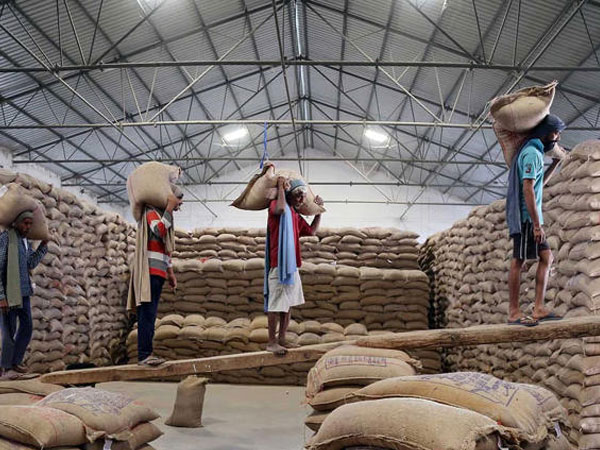
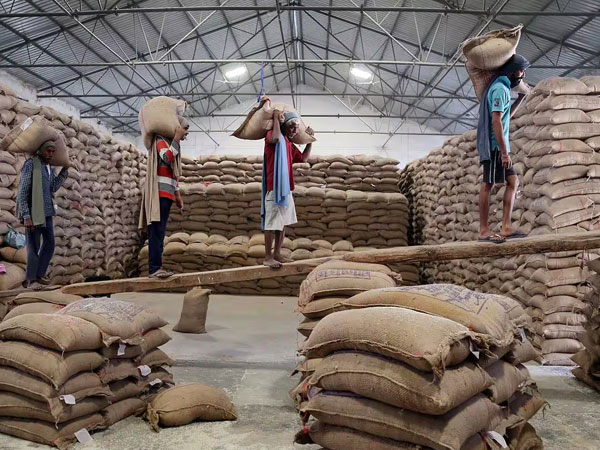
The sharp increase in imports far exceeds market demand, with ports now congested and as much as 1.5Mt reportedly stranded at anchor due to inadequate storage and structural weaknesses in port logistics. Vessel discharge times have now stretched from the usual 10-12 days to more than a month, leading to mounting demurrage costs for importers.
Meghna Group of Industries senior assistant general manager Taslim Shahriar said a decline in global wheat prices had encouraged imports. “High prices of rice also buoyed demand for wheat, as it is a substitute. Demand for wheat-based foods is growing, too. This is because people’s consumption behaviour has changed,” he said.
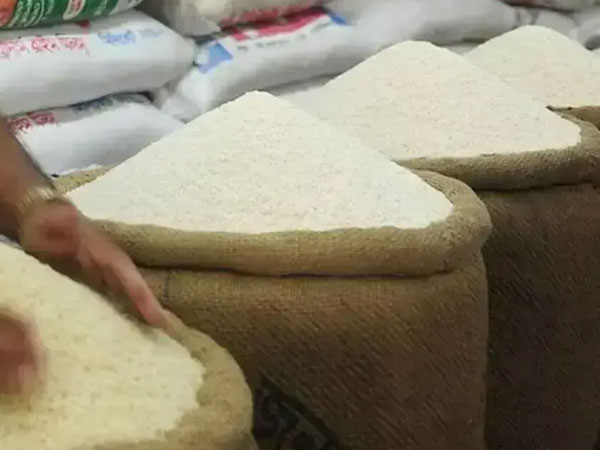
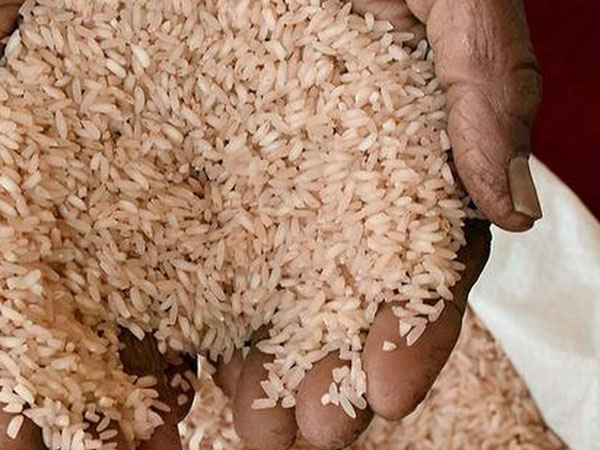
Adding to the port congestion are public and private sector imports of rice, which have increased by 380pc from 175,000t in the July to December period of the 2024-25 marketing year to 665,000t in the first half of 2025-26.
Analysis of market price data by the Food and Agriculture Organisation (FAO) showed that the national average retail price of wheat flour in Bangladesh remained below that of coarse rice between November 2024 and September 2025. However, that trend reversed in the last quarter of 2025, as domestic production and accelerated imports combined to push rice supplies higher and prices lower relative to the retail price of wheat flour.
Rice area spreads
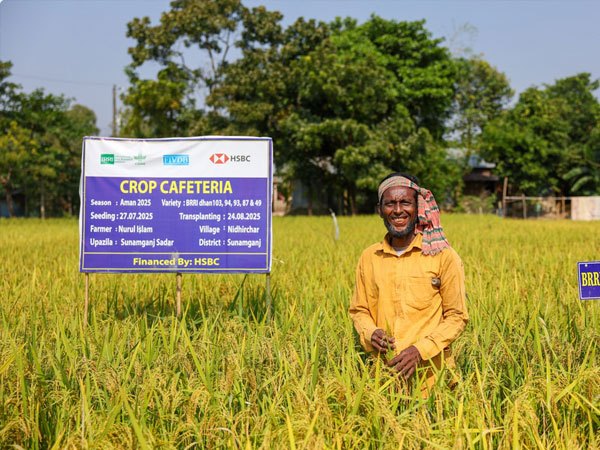
Bangladesh is the world’s third-largest rice producer, with over 75pc of the nation’s cropped area dedicated to the cereal crop. Domestic production is expected to increase from 36.6Mt in 2024-25 to 37.7Mt in the current season, on the back of an increase in the harvested area from 11.4M hectares to 11.8Mha.
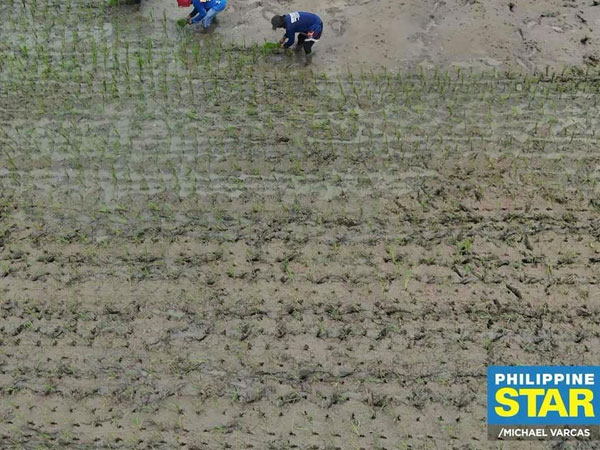
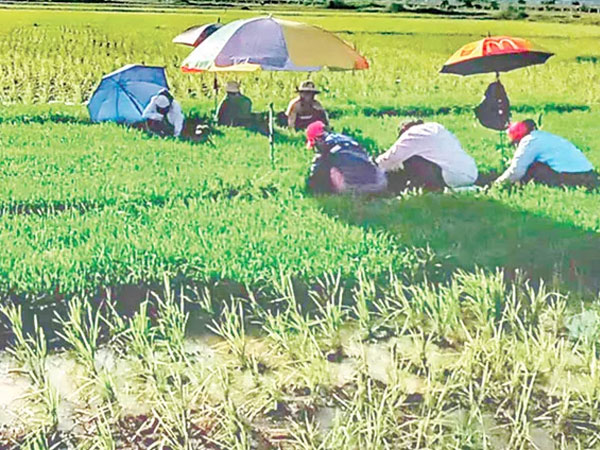
There are three distinct rice growing seasons in Bangladesh: Boro (dry season), Aush (summer season), and Aman (rain-fed season). Boro season rice, the largest contributor to total production, is planted in December and January and harvested in April and May. Aush season rice is planted through April and May and harvested in August and September, while Aman season rice is planted in the monsoon months of August and September and harvested in November and December.
The monsoon in Bangladesh usually arrives in the first week of June and dissipates late in October, with the highest-intensity rainfall generally observed in July and August. Changing climatic conditions in recent years, including delayed monsoons and uneven rainfall, have altered traditional rice-crop calendars and caused planting delays across some regions of the country.
According to the United States Department of Agriculture’s Foreign Agricultural Service (FAS), total rice consumption in Bangladesh will increase from 38Mt in 2024-25 to 38.5Mt in the current season. Rice is the nation’s staple food, with most of the population preferring parboiled rice for their daily meals.
Rice for feed on rise
The use of rice for animal feed has been increasing in recent years, with a recent study suggesting it could be as high as 3.5Mt annually. The poultry, cattle, and aquaculture feed industries use broken rice and de-oiled rice bran as a filler in feed formulas. At the household level, rice and paddy are fed to poultry such as chickens and ducks, while some cooked rice is given to cattle and fish.
Rice imports are forecast at 1.2Mt in the 2025-26 marketing year, 9.1pc or 100,000t higher than a season earlier. This is based on the government’s push to increase public and private sector imports after domestic rice prices surged to record levels in 2025.
While wheat makes up the majority of the feedgrain import pie, it is very much a minnow when it comes to domestic output. In 2025-26, the 290,000ha dedicated to wheat cultivation is expected to produce 1.1Mt, unchanged year on year. Planting of the crop commences in November, immediately after the monsoon subsides, and is harvested in March and April.
Improvements in annual production remain hampered by a myriad of challenges, including poor varieties, high soil salinity, shorter winters, seed shortages and disease burden. This leaves vast stretches of farmland uncultivated during the dry winter-cropping season, with farmers now turning to fruit and vegetables as profit margins are higher.
Wheat is the second most important food staple in Bangladesh. Domestic production is expected to satisfy around 13.5pc of total demand in 2025-26, which FAS currently has pegged at 8Mt. Food, seed, and industrial uses account for 7.7Mt with just 300,000t going into the stockfeed sector.
Wheat imports climb
International purchases fill the demand gap, the USDA increasing its import forecast for the current marketing year by 500,000t to 7.2Mt in its February global supply and demand update. This takes Bangladesh to eighth place on the USDA’s international wheat import table for the 2025-26 marketing year.
Russia remains the dominant supplier of wheat to Bangladesh, accounting for more than 54pc of the shipping program in the 2024-25 marketing year. Ukraine is also a major source, despite the ongoing regional conflict, providing around 14pc. The United States is a growing source, with recent government-to-government deals increasing, particularly for higher-grade wheat. Other sources include Romania, Canada, Argentina, Brazil and Australia, which shipped 182,000t to Bangladesh in the 2025 calendar year.





© Copyright 2025 The SSResource Media.
All rights reserved.