

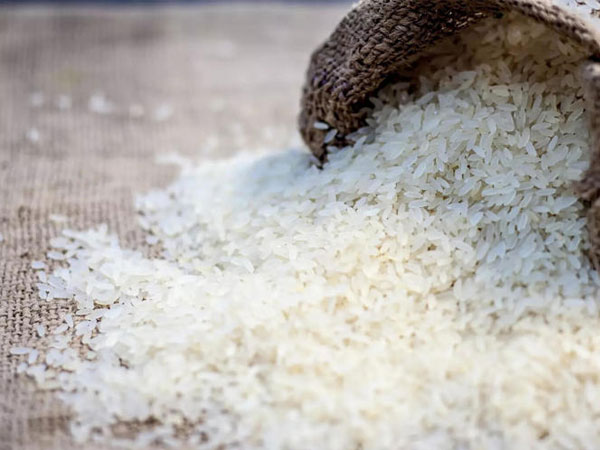
 Indian rice export prices fell this week as the rupee depreciated, while export activity in major Asian hubs including Vietnam and Thailand stayed muted, weighing on prices amid rising shipping costs due to the Middle East conflict.
India's 5% broken parboiled variety was quoted this week at $343 to $350 per metric ton, down from last week's $348 to $353. Indian 5% broken white rice was priced at $342 to $348 per ton this week.
Export prices were down as the rupee weakened to a record low, while demand remained subdued due to higher freight rates.
"Freight rates have been rising since the war began. Buyers are now waiting for them to ease as they are holding adequate inventories from imports in recent months," said a New Delhi-based exporter.
Vietnam's 5% broken rice was offered at $350 to $355 per metric ton, down from $355 to $360 per metric ton a week ago, according to traders.
"Domestic supplies are strong while a sharp rise in shipping cost triggered by the Iran war has hurt export activities," a trader based in Ho Chi Minh City said.
Vietnam exported 467,283 tons of rice in the first half of March, raising its total shipments in the January 1 to March 15 period to 1.74 million tons, according to government customs data.
Thailand's 5% broken rice was almost flat at $365 to $370 per ton from $370 last week after shipping costs rose and buyers adopted a wait-and-see approach to the situation in the Middle East, traders said.
There was some demand from Africa, but it was not strong, said a Bangkok-based trader, adding that supply was waiting on the new crop at the end of this month.
Prices could increase in the near term, another trader said, as energy and consumer goods prices rise and production could be lower than last year.
Domestic rice prices in Bangladesh have remained elevated despite good harvests and adequate reserves, traders said.
Prices of aromatic rice have risen further, driven by increased demand ahead of the Eid-ul-Fitr festival.
To help cool the market, the government has stepped up procurement and allowed private traders to import rice.






© Copyright 2025 The SSResource Media.
All rights reserved.