

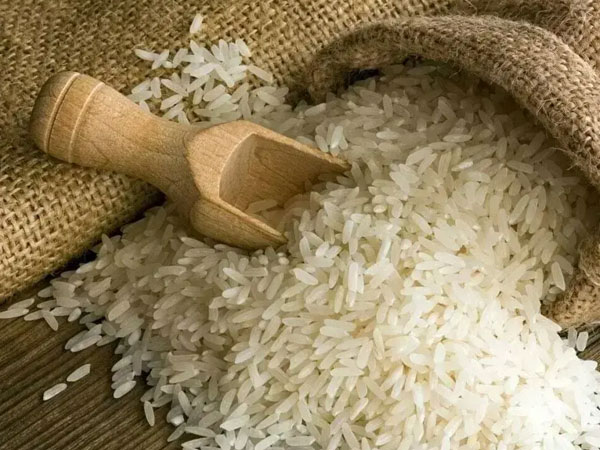
 MUMBAI/HANOI/BANGKOK/DHAKA: India’s rice export prices edged higher this week, supported by improved demand and a firmer rupee, while rising costs linked to the war in the Middle East added to upward pressure on Vietnamese and Thai rates.
India’s 5percent broken parboiled variety was quoted this week at USD344-USD350 per metric ton, up from last week’s USD341-USD348, reflecting better demand and currency strength. Prices for Indian 5percent broken white rice were at USD338-USD344 per ton.
The rupee’s sharp appreciation is prompting traders to raise export prices, while demand is gradually recovering, said a Kolkata-based exporter.
Vietnam’s 5percent broken rice was offered at USD375-USD380 per metric ton on Thursday, compared with USD375 a week ago, according to traders. “Export activity has strengthened in recent weeks as buyers ramped up stockpiling amid expectations of higher prices linked to the Iran war, including higher costs for shipping and fertilisers,” a Ho Chi Minh City-based trader said.
Vietnam’s rice exports rose 62.3percent in March from February to 1 million tons, according to government customs data. For the first quarter of 2026, Vietnam’s total rice shipments fell 1.2percent from a year earlier to 2.3 million tons, a Customs Department report said. Thailand’s 5percent broken rice rose to around USD410-USD440 per ton from USD370-USD375 previously, Bangkok-based traders said.
The Middle East conflict drove up input costs such as shipping, fuel cost and domestic rice prices, traders in Bangkok said, adding that a stronger baht also pushed price higher. However, demand remained weak with shipments largely limited to regular customers, said a trader, noting that overall buying activity was subdued.
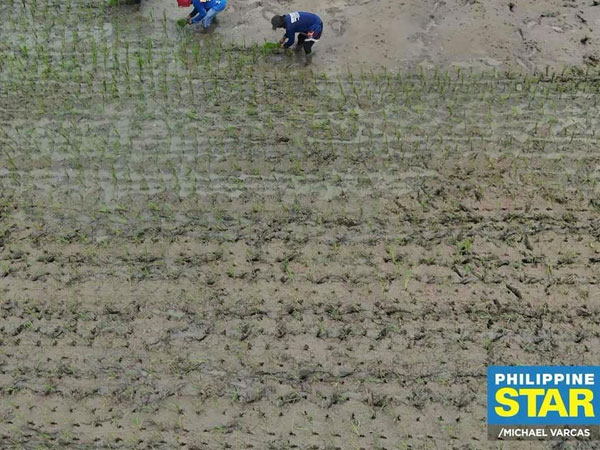
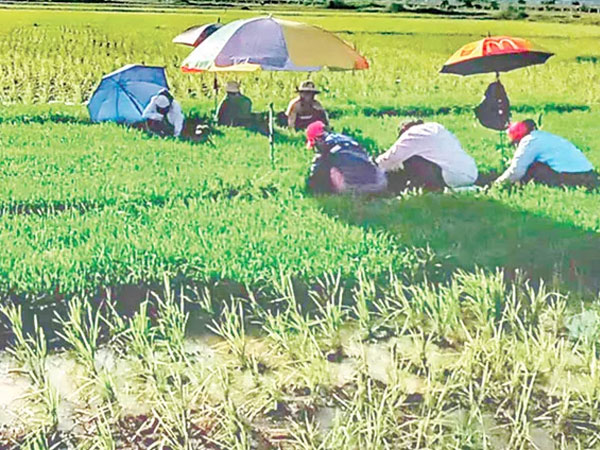
On the supply side, the dry season has reduced production, with some farmers halting rice cultivation due to low profitability. Exporters are also under pressure, as rice mills prefer to sell at higher prices, said another trader.
Rice prices in Bangladesh have remained elevated, while the fuel shortage has disrupted rural areas, leaving tens of thousands of farmers struggling to secure diesel for irrigation at a critical stage of the paddy season.





© Copyright 2025 The SSResource Media.
All rights reserved.