

 The Philippine rice industry is currently at a crossroads as local leaders and stakeholders call for a thorough review of recent importation strategies. At the center of the discussion is the “Tale of Two Kikos” —the clashing perspectives of Senator Francis “Kiko” Pangilinan and current Secretary Francisco “Kiko” Tiu Laurel Jr. of the Department of Agriculture.
Agricultural advocate and former Magsasaka Party-list Representative Argel Joseph Cabatbat , in an exclusive interview with Breaking News Online (BNO), points out that while the two leaders share a nickname “Kiko”, they represent two very different directions for the Filipino farmer.
The focus of the proposed Senate Inquiry is to look into the Food Terminal Inc. (FTI) and Planters Products Inc. (PPI) imports to ensure that the government’s push for food security is truly felt at the grassroots level.
Cabatbat also expressed gratitude to his mentor, Leonardo “Leony” Montemayor , Chairman of the Federation of Free Farmers (FFF), who recently highlighted the need for transparency regarding the strategic partnerships of these agencies. Both leaders agreed that the Senate must act immediately on this matter.
Cabatbat raised a serious question regarding the national strategy: “Does President BBM know about this systematic strategy?” He revealed that while Nueva Ecija and other Central Luzon provinces are harvesting high yields from government-distributed hybrid seeds, imported rice continues to flood the market.
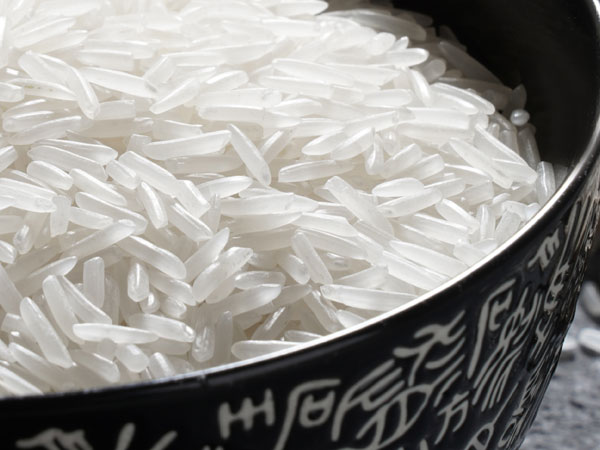
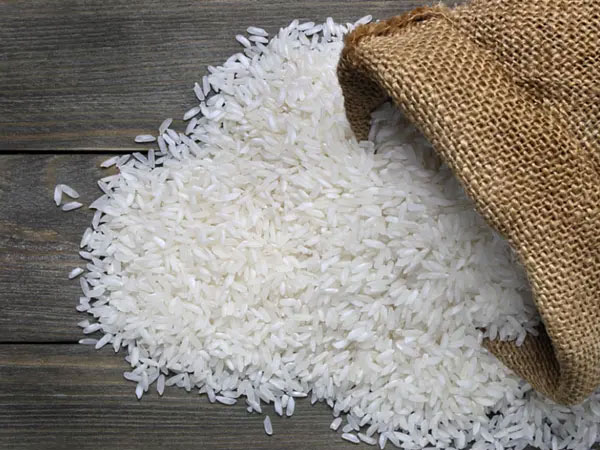
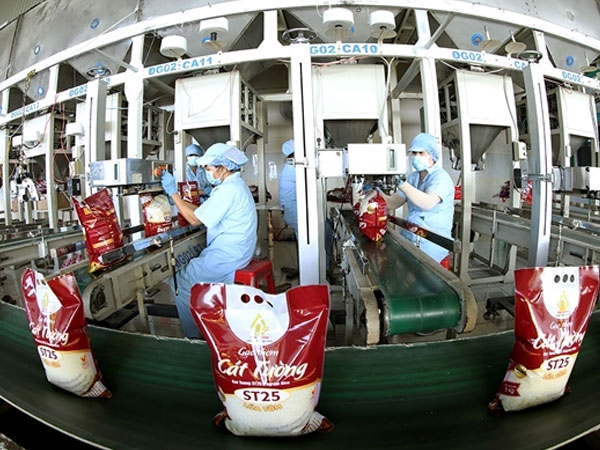
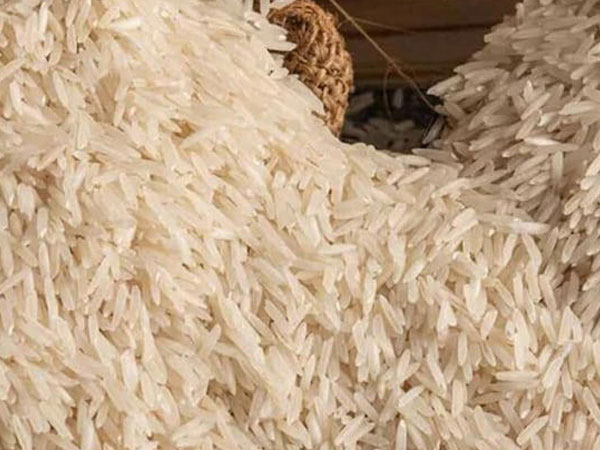
Worse, reports indicate that these imports are being distributed in 25kg sacks branded as “Binhi” Long Grain Soft Rice, leaving local farmers and consumers “blind” to the rice’s true origin. This strategic approach did not escape the sharp eye of Montemayor.
In a phone interview, Montemayor questioned the use of the “Binhi” brand. “While the title on the sack ‘Binhi’ (Seed) suggests a local origin, the physical evidence tells a different story,” Montemayor said. The backside of the sack clearly marks: Product of Vietnam; Crop Year 2026.
Montemayor issued a stern warning to the importers responsible, citing potential violations of Philippine labeling laws. “Where is the name of the original owner or address? Who are the real suppliers and importers? If a health or plant disease concern arises, who will be held responsible?” the former DA Secretary asked.
He added, the investigation seeks a Senate inquiry to probe the “Binhi” brand and the alleged ₱3.00 per kilogram fee reportedly charged by the FTI from allied importers—dubbed variously as an “allocation fee,” “service fee,” or “logistics fee.”
“”As of now, I do not know who are FTI’s real importers; is there any receipt issued and where do we go to find these unexplained commissions?” Montemayor noted
The FTI is a government-owned corporation, serves as a strategic monitor for food security, utilizing centralized storage and distribution to act as a ‘price stabilizer.
Currently, it sits as a key member of the DA’s Technical Working Group (TWG) —alongside the Bureau of Plant Industry (BPI) —positioning it as a primary player in the country’s rice importation strategy.
However, recent BPI records reveal a significant surge in import activity, evidenced by the increasing issuance of Sanitary and Phytosanitary Import Clearance (SPSIC) certificates:
- January: 450,000 MT
- February: 450,000 MT
- March: 360,000 MT (Increased from the original 150,000 MT during the local dry cropping harvest season)
- April: 150,000 MT
Secretary Francisco Tiu Laurel Jr. clarified that the rice originated from Vietnam and was distributed through PPI as a legitimate distribution. “The government did not release any money,” Laurel maintained in a recent interview, stressing that the DA-TWG — composed of the Office of the Undersecretary for Rice Industry Development, BPI, FTI, PPI, Philippine Rice Importers Association (PRIA) Inc, PRISM and PhiRice—is necessary for national food security
Key names linked to the DA’s “Elite TWG” include: Roberto “Ram” Antonio (PPI), Joseph Rudolf Lo (President, FTI), and Raffy Herrera (President, PRIA). Notably, major farmers’ associations were reportedly excluded from the TWG, it was learned.
Despite the DA’s defense, critics slam the TWG as an instrument of “favoritism.” It appears that the mini-TWG has distribution control over the allocation of 1.26 million MT of rice imports this Q1 2026 through the issuance of the BPI-SPSICs.
Montemayor describes the setup as a “cartelization of rice import allocations,” even as some are portrayed as “heroes” for distributing ₱48 imported rice.
According to the Philippine Statistics Authority (PSA) , rice prices continue to climb:
- Feb 2026: ₱46.01
- Early March: ₱47.47
- Mid-March: ₱48.69 (Up ₱1.22 in just two weeks)
Despite the high retail prices persisting in urban centers, Cabatbat shared a grimmer reality with Breaking News Online . While official records for February initially showed higher averages, current reports from the ground indicate a drastic collapse in local farmgate prices—plummeting to a staggering ₱16.00 – ₱17.00 per kilogram in several regions.
This disparity creates a staggering price gap that both advocates claim the Rice Tariffication Law (RTL) has failed to bridge
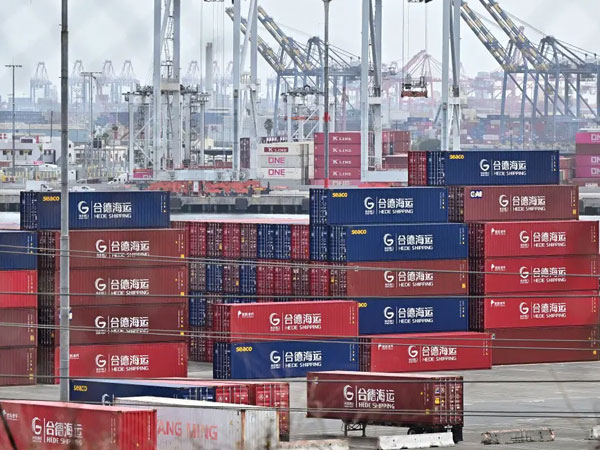
BPI website record shown, with 1,466,028 Metric Tons (approx. 29.3 million cavans) of imported rice already entering the country as of April 1, 2026—including the 129,780 MT allocated to Planters Products Inc. (PPI) (2,595,610 cavans @50kg)—local farmers find themselves competing against an overwhelming influx of foreign stock during their own harvest season.
Farmers like Cabatbat and Montemayor emphasize that a formal Investigative Inquiry and Policy Scrutiny are the only remaining ways to protect local producers and uncover the true mechanics behind these importations.
“The Senate is our last resort to ensure transparency while our farmers suffer,” Cabatbat and Montemayor concluded.



© Copyright 2025 The SSResource Media.
All rights reserved.