

 Welcome to Foreign Policy’s Southeast Asia Brief.
The highlights this week: Southeast Asia faces spiking food prices, Myanmar’s top general becomes president, the Philippines and Vietnam strike deals with Iran, and deforestation surges in Indonesia.
Southeast Asia’s Coming Food Crisis
While the fuel crisis caused by the U.S.-Israeli war with Iran continues to dominate headlines, food will be the next pressure point. The United Nations’ World Food Program (WFP) estimates that the conflict in the Middle East means that 45 million more people will suffer from acute hunger in 2026.
In Asia and the Pacific, food insecurity is expected to increase by 24 percent, the biggest relative increase of any region. Southeast Asia is grappling not only with rising oil and fertilizer prices but also with a grim heat wave.
Food prices closely track hikes in oil prices. Yet a reduction in oil prices doesn’t result in proportional reductions in food prices, a WFP representative told Foreign Policy.
The Persian Gulf is a major producer of fertilizer and its components—most notably urea, which is made from natural gas and provides nitrogen, one of three key elements in most fertilizers.
With supplies of both urea and natural gas disrupted, fertilizer prices have risen at least 85 percent since the start of the year, according to data from Fertilizerworks.com.
Faced with the price hikes, some farmers might decide that it is simply not worth planting if crop prices won’t cover their costs. The WFP representative told Foreign Policy that there was already anecdotal evidence of this happening in the region.
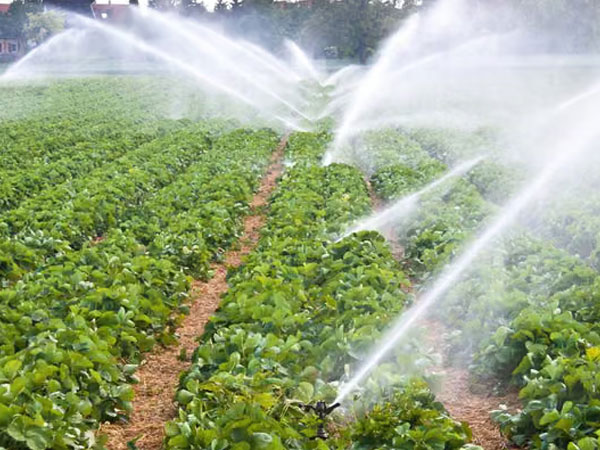
To top it all off, a heat wave gripping Southeast Asia might also hit crop yields. In Kedah, Malaysia’s rice bowl, water reserves in dams are running low. The heat is also hitting Thailand’s livestock production.
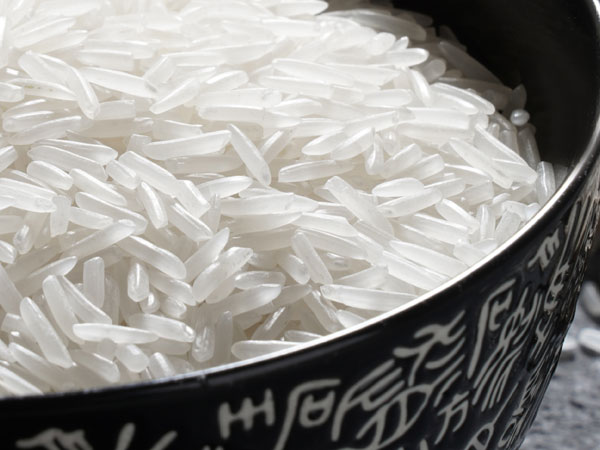
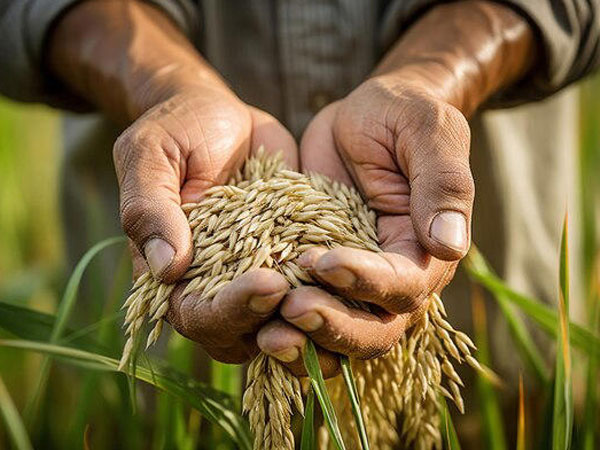
Timing could not be worse, since the main Asian rice planting season is about to begin. Effects will be felt toward October or November, with analysts ballparking the reduction in crop yields at somewhere between 10 percent and 15 percent.
Myanmar is where the human cost will be felt most acutely. The country is ranked fifth in the world for food insecurity, according to the WFP, which estimates that more than 12 million people there will face acute hunger in 2026.
To make matters worse, civil war and a massive earthquake that hit last year have devastated livelihoods.
“It’s increasingly the situation of the perfect storm,” Michael Dunford, the country director for the WFP in Myanmar, told Foreign Policy.
The very hot season ahead could alter the environment in two ways, Dunford said. There is both an impact on growing and, potentially, more dramatic storms. All this, in a country that is already prone to natural disasters.
The price of an average food basket was up 9 percent in Myanmar at the end of March compared to the end of February, according to WFP calculations.
Other countries are in for tough times, too. Thailand is an agricultural powerhouse that is heavily dependent on fertilizer imports. And in 2024, 29.4 percent of its fertilizer imports came from the Gulf, according to data from the Observatory of Economic Complexity.
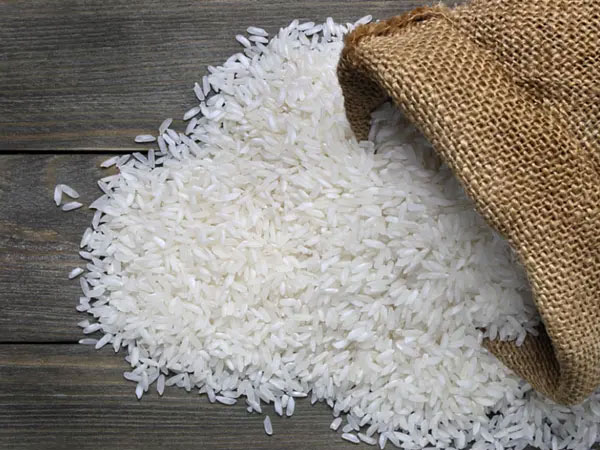
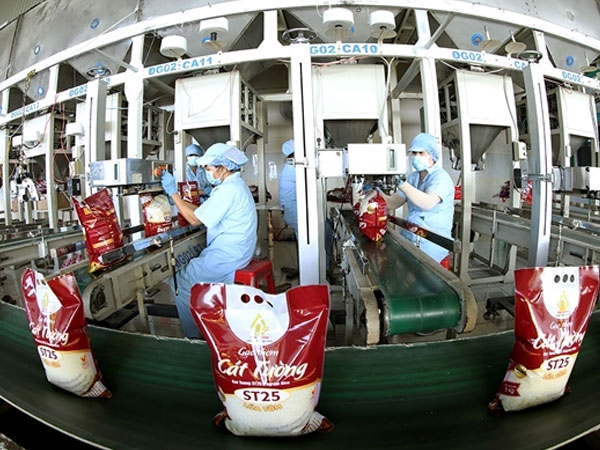
Four of the world’s 10 biggest rice importers are Southeast Asian countries, according to data from the OEC: Indonesia, the Philippines, Vietnam, and Malaysia. Should a global food crisis prompt big producers such as India to once again curtail exports, they will be hit hard. Four of the world’s 10 biggest exporters of rice are also Southeast Asian: Thailand, Vietnam, Cambodia, and Myanmar.
Rising food and fuel prices could even lead to political instability in the region. Last year’s riots in Indonesia came against the backdrop of rising food inflation.





© Copyright 2025 The SSResource Media.
All rights reserved.