

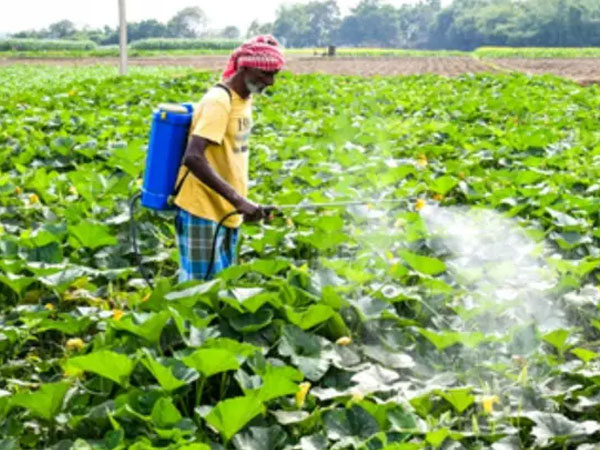
 As India battles a severe heat wave amid fears of an El Niño-driven underperforming monsoon, the agriculture sector is facing another challenge this kharif season: potential fertiliser supply disruptions linked to the West Asia crisis. Experts warn this twin stress could impact crop production, particularly paddy.
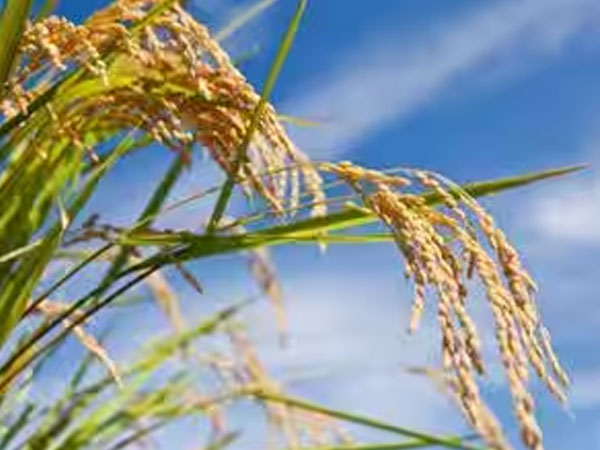
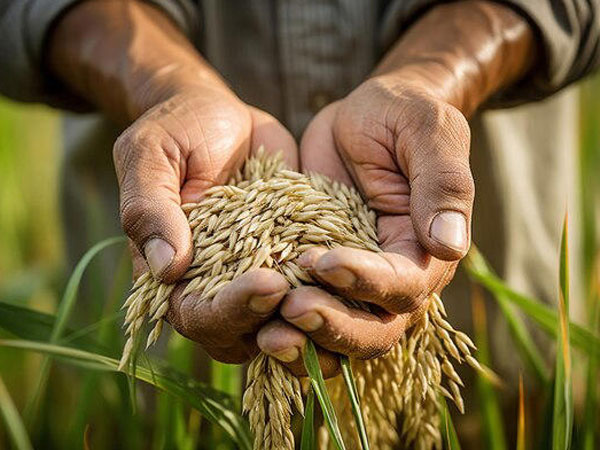
Ranjit Singh Jossan, vice-president of the Basmati Rice Millers and Exporters Association of Punjab, says high temperatures during the grain-filling stage could reduce both yield and quality. “Estimated yield losses could range from 5-10% under mild stress, 10-15% under moderate El Niño conditions, and up to 15-25% in severe scenarios,” he adds
Punjab, Haryana and Uttar Pradesh — the major basmati-producing states — are likely to be affected. While Punjab and Haryana have the benefit of canal and tubewell irrigation, reduced rainfall and rising temperatures may still lead to ground water stress and power issues. Uttar Pradesh, where 70-80% of paddy cultivation depends on monsoon rainfall, is expected to be more vulnerable, says Jossan.
According to the IMD, the country is expected to see below normal rains in the 2026 monsoon season. In north India, the shortfall could range between 10% and 20%, with some districts facing deficits of up to 25%, indicating significant regional stress, according to experts
The June-September monsoon accounts for nearly 70% of India’s annual rainfall, with peak precipitation in July and August contributing 60-70% to the season, therefore any disruption during this critical period can significantly affect agriculture. El Niño conditions typically weaken monsoon winds, delay onset and cause uneven rainfall distribution. Global studies show rice yields have declined by 7-10% during previous El Niño years, while warmer and drier conditions also increase the risk of pests and diseases.
Adding to agriculture concerns is fertiliser availability, especially urea. Despite increased domestic production, India imports 25-30% of its urea requirement, mainly from Oman, Qatar, Saudi Arabia and the UAE. While the government maintains that stocks are adequate, field reports suggest a possible shortage of 10-15% during the peak kharif season, according to Jossan.
“Paddy cultivation is highly dependent on nitrogen-based fertilisers such as urea, with farmers typically requiring two to three bags per acre. Any delay or shortage can reduce tillering and plant vigour, leading to yield losses of 15-20% under stress conditions. Reports also indicate risks of black marketing and panic buying, which could further restrict access for small and marginal farmers,” he says, adding that the cost of diesel, electricity and labour are already adding to their financial burden.
A decline in basmati production can also push up prices. Due to lower sowing and reduced output last season, basmati rice prices are already at a decade high, and any further drop in production may intensify inflationary pressures.
Experts are already advocating diversification towards less water-intensive crops such as maize, millets and pulses, along with greater use of digital tools like drones, satellite monitoring and mobile applications to improve resilience. Jossan says timely intervention from the government will be critical.
Measures such as diversifying import sources, strengthening supply chains and promoting balanced fertiliser use — including DAP and NPK — can help mitigate risks. “Farmers are also advised to adopt conservation practices and short-duration crop varieties to reduce exposure. In basmati, varieties such as Pusa 1509, Pusa 1692 and Pusa 1718, along with non-basmati PR 131, are considered suitable due to their shorter growing cycles,” he says.




© Copyright 2025 The SSResource Media.
All rights reserved.