

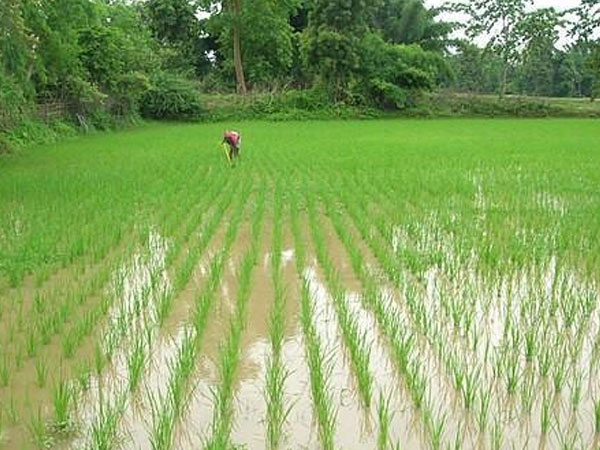
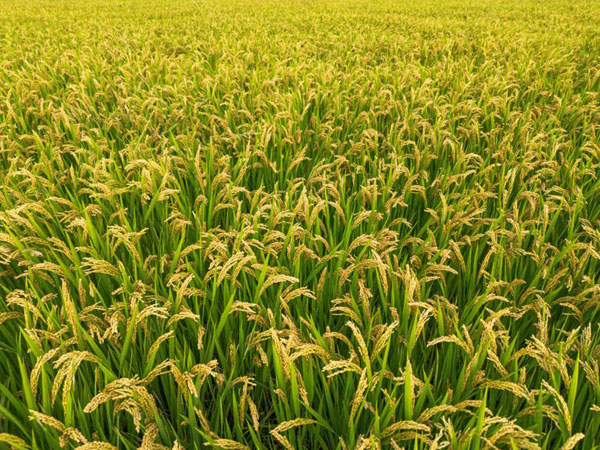
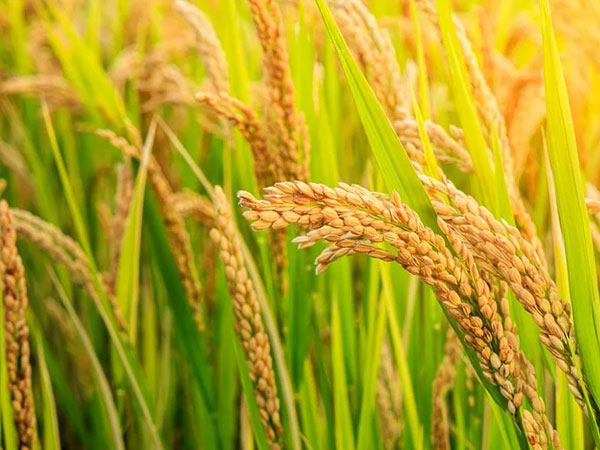
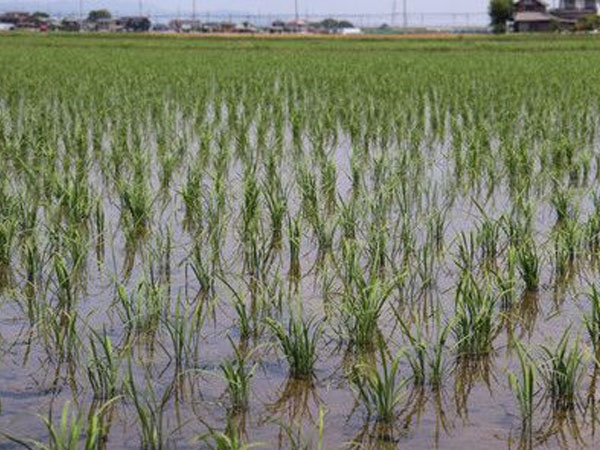
 During a press briefing on food and nutrition security, the Minister of Agriculture and Rural Development announced the allocation of a CFA9 billion subsidy to the Yagoua Rice Expansion and Modernization Company (Semry) and the Upper Nun Valley Development Authority (Unvda). The funding is intended to support an additional 30,000 tons of rice production in 2026.
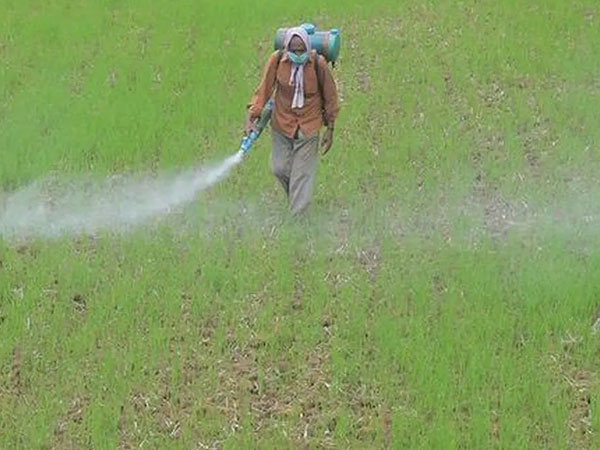
The measure falls under the Integrated Agro-Pastoral and Fisheries Import-Substitution Plan (Piisah) scheduled for the 2026 fiscal year. According to details provided, the resources will be used to strengthen production capacity in the country’s main rice-growing areas, notably the Ndop Valley for Unvda. Planned actions include the purchase of agricultural equipment such as combine harvesters and plowing tractors, modernization of farming operations, and the establishment of working capital to finance the purchase of paddy rice from producers.
Plan to triple national rice production by 2027
Over the medium term, Cameroon aims to triple its national rice production. Between 2024 and 2027, output is expected to rise from 140,710 tons to 460,000 tons, according to the 2025–2027 Medium-Term Economic and Budgetary Framework. Reaching this level would represent a key step toward the target of 750,000 tons by 2030, corresponding to an estimated self-sufficiency rate of 97%, in line with the national rice sector development strategy, which has a total budget of CFA385 billion.
Despite the announced projects and investments, national production is expected to remain below demand. Rice consumption, estimated at 576,949 tons as early as 2020, continues to increase, which is likely to force Cameroon to maintain imports, with a projected shortfall of at least 110,000 tons by 2027. In other words, even if production targets are met, self-sufficiency is expected to remain partial in the medium term.
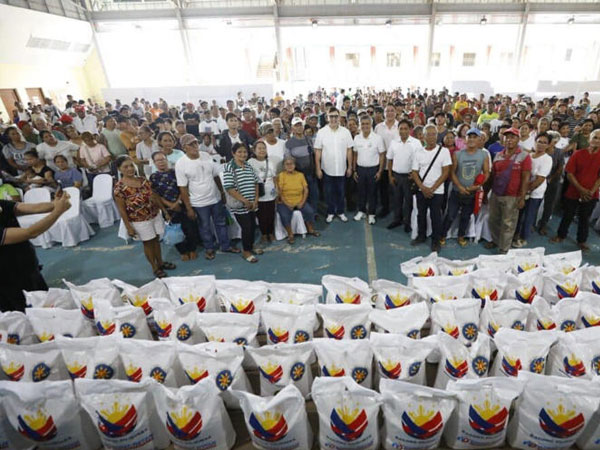
The announcement comes amid persistent food vulnerability. For the October–December 2025 period, about 11% of Cameroon’s population, or 3.12 million people, were facing acute food and nutrition insecurity, according to official data. Of these, 249,306 people were in an emergency situation, while 2.87 million were in crisis. In addition, 6.19 million people, representing 21% of the population, remained under food stress.





© Copyright 2025 The SSResource Media.
All rights reserved.