
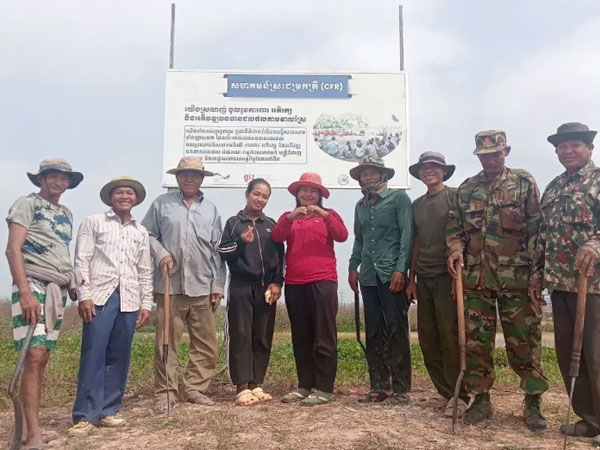
 Community Fish Refuges (CFRs) like Boeng Ream are being integrated into Cambodia’s broader governance architecture for food security, nutrition, and climate resilience.
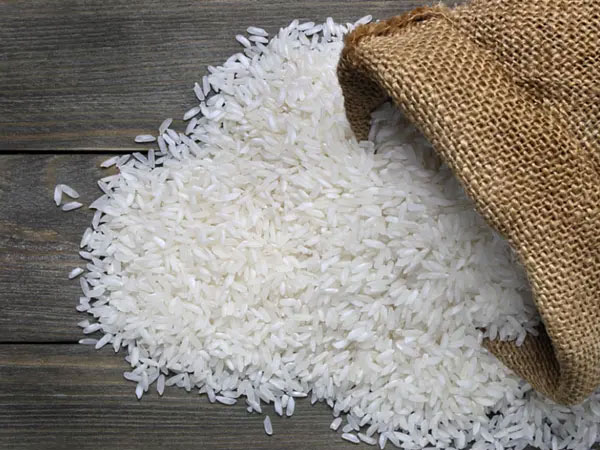
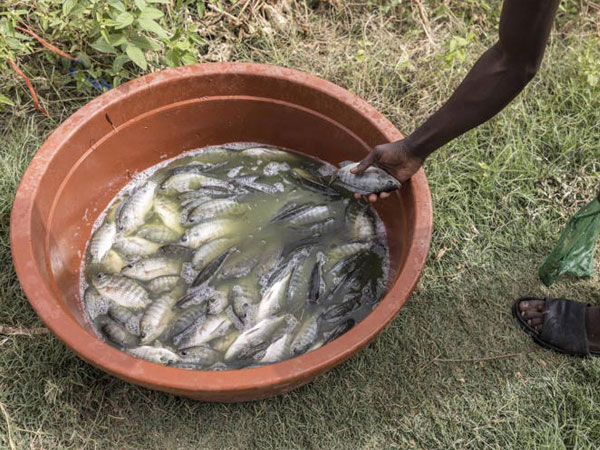
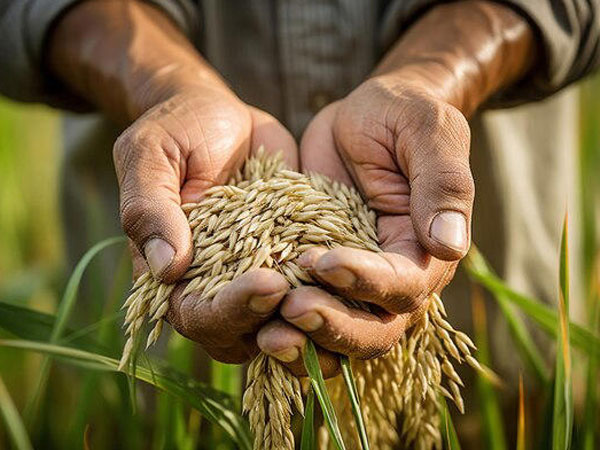
In Cambodia, rice–fish production systems are far more than a farming practice—they are a lifeline, linking the country’s two most essential foods in a single, resilient landscape. By producing rice and fish side by side, these systems strengthen nutrition, support rural incomes, and show why aquatic foods must sit at the heart of Cambodia’s food future. CFRs are an innovation for conservation intended to improve the productivity of rice-field fisheries: man-made or natural ponds that retain water through the dry season and serve as sanctuaries for brood fish in seasonally inundated fields, allowing breeding stocks to be conserved and later disperse into surrounding rice fields and wetlands to replenish fisheries.
The Boeng Ream CFR, located in the Tonle Sap floodplains and linked to the Taing Krasaing Irrigation Scheme, exemplifies this approach. Beyond serving as a dry-season sanctuary and brood-stock reservoir, Boeng Ream functions as a migration corridor that sustains biodiversity and ecological resilience while providing water for agriculture, livestock, and household needs. Improvements to connecting channels and farming practices that reduce chemical inputs have further enhanced water quality and fish movement across the rice-field landscape, reinforcing the refuge’s role in sustaining ecosystems and local livelihoods amid growing climate and water‑use pressures.
Innovation in Local Governance to scale Community Fish Refuges
The Cambodian government’s shift toward decentralized, integrated natural resource management – anchored in the Sub Decree No. 184 ANK.BK on the Functions and Structure of District Administrations – has created new opportunities for local governance. The policy framework, together with the joint statement issued by the Ministry of Agriculture, Forestry and Fisheries (MAFF), the Ministry of Water Resources and Meteorology (MoWRAM), and the Ministry of Rural development (MRD), has spurred new institutional models for local coordination. In 2024 from CGIAR centers WorldFish and the International Water Management Institute (IWMI) working with the Inland Fisheries Research and Development Institute (IFReDI), established Technical Working Groups (TWGs) as a mechanism to resolve local water conflicts and promote more integrated aquatic ecosystem management including the Boeng Ream CFR and Community Fisheries (CFis). TWGs bring together district and provincial authorities and representatives from water, agriculture, fisheries, environment, and local governance sectors alongside community-based organizations—Community Fisheries (CFi), Community Fish Refuges (CFRs), Farmer Water User Communities (FWUCs), Agricultural Cooperatives (ACs), and Community-based Ecotourism groups—to co-develop integrated management plans, coordinate across resource sectors, and resolve emerging conflicts.
Crucially, the TWG embodies an ecosystem approach by drawing members from multiple districts to address shared resource challenges beyond administrative boundaries, moving stakeholders beyond sectoral silos toward multi- and cross-sectoral collaboration. Cambodia’s Council for Agricultural and Rural Development (CARD), which drives the development and implementation of food sector strategy, has responded to the promising performance of the TWGs by establishing formal District Working Groups on Food Security and Nutrition (DWG FSN) in the districts where the TWGs operate, as district-scale multi-agency coordination platforms to deliver Cambodia’s 3rd National Strategy on Food Security and Nutrition (2024–2028). These DWG-FSNs link upwards to provincial and finally to national WGs-FSN. Given the DWGs-FSN consist of government agencies, the TWGs were incorporated as Sub-Working Groups under the respective DWG-FSN as implementing entities, given their mix of government and community stakeholders. Thus, this new institutional landscape between districts and communities for strengthening food production systems blends administrative and ecosystem approaches that help emphasize ecosystem management through coordination and community participation, while integrating local innovations like Boeng Ream into national governance for food security, nutrition, and climate resilience.
The TWG’s commitment to transforming plans into tangible action is clearly reflected in its recent achievements in Boeng Ream CFR. Working closely with the Commune Council, TWG committee members coordinated the release of 7 kilograms of broodstock into the Boeng Ream CFR -an activity funded by the Commune Administration. This intervention is expected to strengthen the CFR’s ecological function and governance, helping to improve fish habitat and gradually increase fish stocks over time, which may ultimately support the livelihoods and food security of the many fisheries-dependent households in the surrounding communities. Beyond securing financial support, TWG members led community-wide efforts to clean, rehabilitate, and restore the surrounding environment—strengthening refuge protection while enhancing its visibility and long-term stewardship.
These actions are concrete, measurable outcomes of the jointly developed Boeng Ream CFR management plan and demonstrate how the TWG’s integrated, multi-sector approach is delivering real improvements in ecosystem health, community engagement, and local resource governance. They also play a vital role in improving water management between the lake and surrounding irrigation systems, ensuring a more balanced integration of ecological conservation and agricultural production needs. By translating planning into coordinated action, the TWG shows how district-level collaboration can drive meaningful and lasting conservation impact across the landscape.


© Copyright 2025 The SSResource Media.
All rights reserved.