

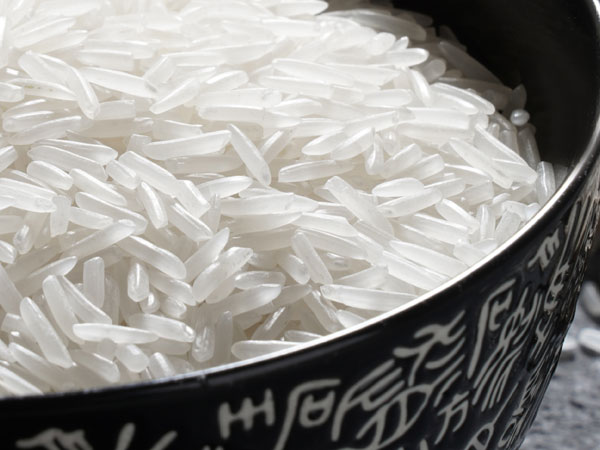
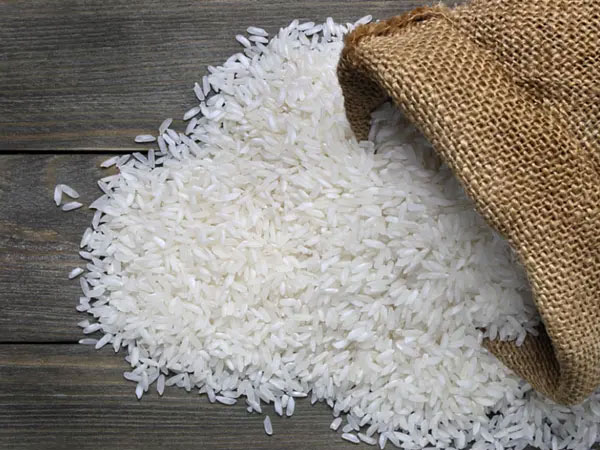
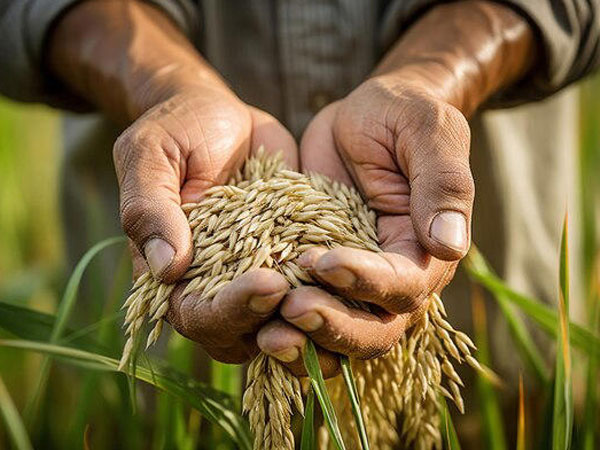
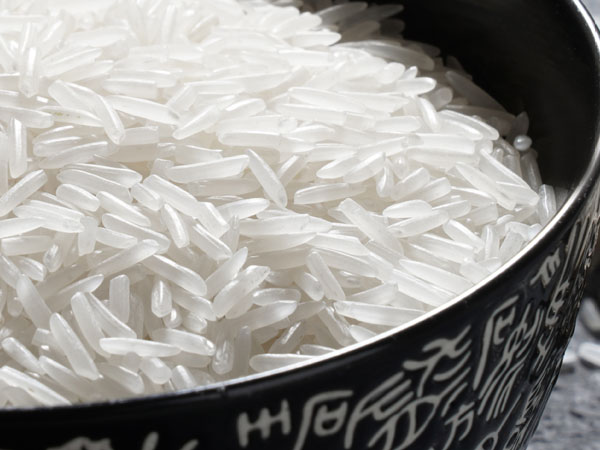
 RRI.CO.ID, South Tangerang - The Indonesian National Research and Innovation Agency (BRIN) and the State Logistics Agency (Bulog) are collaborating to deploy electron beam irradiation technology, aims to address one of the most persistent challenges in food logistics: rice weevil infestation during long-term storage.
The collaboration, initiated in late February 2026, addresses Bulog’s requirement to maintain rice quality for up to 10 months, a period where traditional chemical fumigation often fails to stop the microscopic eggs of pests hidden inside the grains.
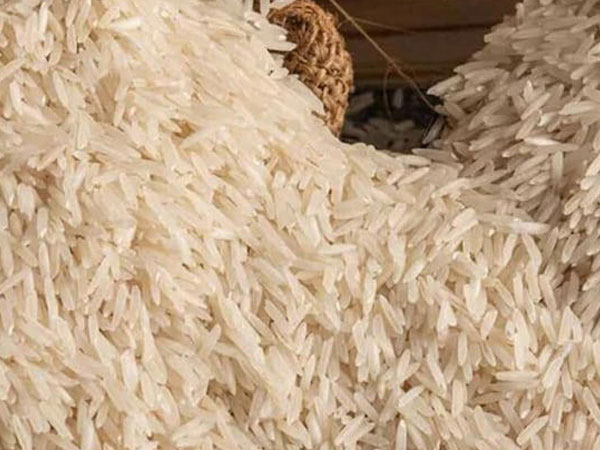
The primary threat to Indonesia’s strategic rice reserves is the rice weevil (Sitophilus oryzae). Because their eggs are nearly identical to rice grains and often hidden inside the husk, infestations are frequently undetected during the milling and packaging stages.
By the time larvae and adult insects are visible, significant quality degradation has already occurred. To combat this, researchers from BRIN’s Nuclear Energy Research Organization (ORTN) conducted an immediate field assessment at Bulog’s East Jakarta warehouse to map storage conditions and potential re-infestation points.
Unlike traditional methods that rely on chemicals, electron beam irradiation uses high-energy ionizing radiation to disrupt the biological structure of pests at every stage, from eggs and larvae to adults.
“This technology is capable of breaking the pest's life cycle without damaging the physical quality or nutritional content of the rice. It serves as a more sustainable alternative compared to conventional chemical methods,” explained researcher Bimo Saputro at ORTN BRIN, as quoted on BRIN's official website on Monday, March 2, 2026.
Head of ORTN, Syaiful Bahkri, noted that the required dosage for this treatment is relatively low, typically ranging from 1 kGy to 3 kGy. This "cold" process ensures that there is no chemical residue, making the rice entirely safe for immediate consumption.
Furthermore, the technology provides temperature stability because it does not significantly increase the temperature of the rice, which helps in preserving its original texture. Finally, the method offers high precision by killing hidden eggs and larvae that traditional fumigation might otherwise miss.
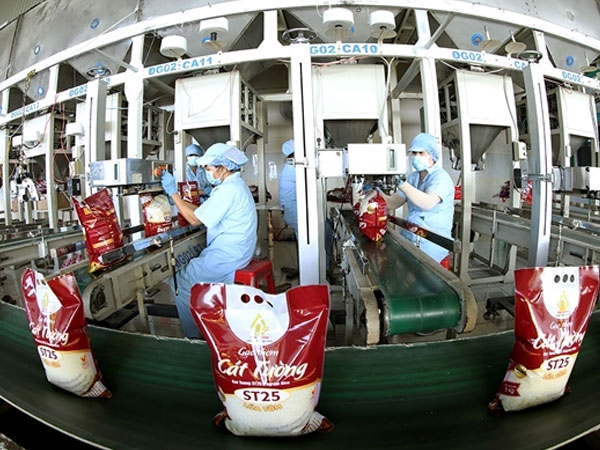
The technical plan allows for irradiation to be applied either before or after packaging. For the initial pilot phase, the team is targeting a processing capacity of 4 to 5 tons of rice per day. However, experts warned that the technology must be paired with strict warehouse management.
“Success depends heavily on warehouse management, tightly sealed packaging, and strict access control systems,” Syaiful Bahkri added.
Moving forward, BRIN and Bulog will continue technical studies to determine optimal dosages and conduct food safety tests to ensure that irradiated rice meets the highest standards for Indonesian consumers.






© Copyright 2025 The SSResource Media.
All rights reserved.