

 POLI contractor Eduardo Guillen, the head of the National Irrigation Administration, has a background that automatically spells doom for the efficient management of the country’s irrigation systems. The same irrigation systems that on paper guarantee two crops a year for farms covered by the NIA’s service areas. Guillen is both a politician and a public works contractor, and those types pay very little attention to the official mandate and job description of the government posts they are holding. But these types are good at one thing: bluster.
A couple of years ago, Guillen boasted that the country’s rice lands were all set to produce enough rice for domestic consumption before the end of the Marcos presidency. The boast was about a “95- to 98-percent rice self-sufficiency” by the time Marcos steps down from office. These types, I will add, are all bravado with zero self-doubt.
The “95- to 98-percent self-sufficiency” is not forthcoming. Not this year, not in 2027, not in mid-2028, when Marcos’ term ends.
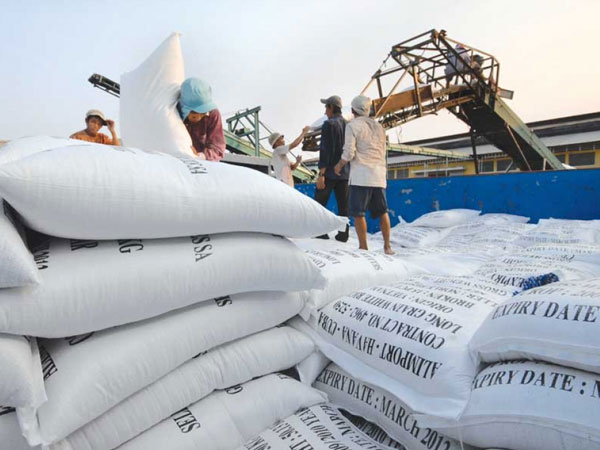
In fact, this year, the country is looking at a jumbo rice importation of anywhere from 5.7 to 6 million metric tons. The 5.7 million metric tons is the base figure from the US Department of Agriculture (USDA). Some farmers’ organizations are even projecting an import figure exceeding 6 million metric tons. The reasons the Philippines will import this much, a historically high figure, are clear to anyone with a modicum of understanding of agriculture. Also take note that the jumbo imports for 2026 will make the Philippines the biggest rice importer since 2022, or five consecutive years, an embarrassing record given our rich rice-producing culture.
The primary reason is El Niño and, according to climate experts, the current one hitting many parts of the planet, including the Philippines, is the extreme variant. Its impact will range from limited precipitation for farming nations that need rain for farming to the current heat waves in Europe. The major Philippine dams, from the hydropower dams to the multipurpose dams for both potable water supply and irrigation, right now have inadequate water levels due to El Niño. As such, and with potable water supply as the priority, irrigating the rice farms in Central Luzon, the country’s rice granary, takes a backseat.
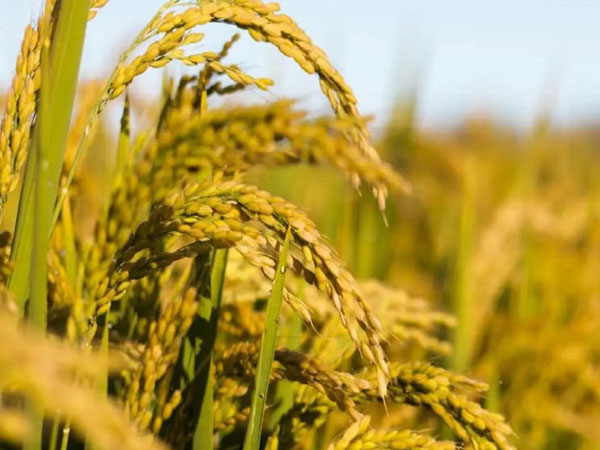
Take a tour across the farming areas of Central Luzon and you will see vast tracts of parched lands and idled rice farms that failed to meet planting schedules. Take a look at Angat Dam and you will see the water level at its historic low.
Guillen, the politico-contractor, is not responsible for El Niño. But he could have undertaken remedial measures after climate experts warned of an extreme El Niño phenomenon late last year.
As if extreme El Niño were not enough, the US and Israel bombed Iran on the last day of February in an operation called “Operation Epic Fury.” While the bombing decapitated Iran’s leadership, it managed to retaliate with its cheap but effective drones and its missile stockpiles. One of the major facilities struck by Iran was the huge complex owned by Qatar Energy, a natural gas complex which happens to be the world’s biggest processing center for inorganic fertilizer. Plus other natural gas facilities in the Gulf region that, tragically, are the major suppliers of fertilizer for farmlands in Asia, including the Philippines.
Fertilizer prices surged by 50 percent after the bombing and Iran’s retaliatory strikes and the fertilizer surge discouraged many Filipino farmers from preparing their rice farms for planting. The surge in diesel prices to historic highs during that period after the bombing, also discouraged farmers from using their diesel-fed shallow tube wells to generate irrigation water.
The bad news: After a brief truce, the US bombings and Iran’s retaliatory strikes are back.
In the dying days of December 2025, Agriculture Secretary Francisco Tiu Laurel Jr. was boasting of a “bumper rice harvest” for 2026 and set the rice import volume for 2026 between 3.6 million to 3.8 million metric tons. For the first six months of 2026, a total of 2.75 million metric tons of rice had arrived at major Philippine seaports. More is forthcoming and the USDA projection of 5.7 million metric tons of total imports for 2026 may just be a base figure that may be exceeded.
Tiu-Laurel, whose focus is propaganda, not productivity, and has turned the DA press office into a press release factory, has ceased talking about the “bumper rice harvest” for the current year. With a possible 6 million metric tons of rice imports this year, another major embarrassment for the already prostrate state of the agriculture sector, Tiu Laurel — as is his wont — is now turning to a safer topic for his and his department’s glorification: ube or purple yam. After the big splash over the entry of pineapples in Oman.
Other taboo topics at the DA other than the historic level of rice imports this year: sugar pests in the Negros island, the resurgence of African swine fever, the major drop in the country’s fish yield. Indeed, why talk about the core and the more important issues of agriculture when Tiu Laurel can discuss ube and cosplay as an action man in his flak jacket.




© Copyright 2025 The SSResource Media.
All rights reserved.