

 The Philippines’ food security challenge is climatic, geopolitical and governance-related.
Super El Niño reduces rice yields, global conflicts drive oil prices upward, and governance failures magnify these vulnerabilities. The old paradigm of cheap imports is untenable.
Without governance reform — transparent resource allocation, buffer stock systems and dietary diversification — the Philippines will remain trapped in dependency.
For decades, the prevailing logic was that it was “cheaper to import” food rather than invest in domestic diversification. Today, that assumption is collapsing.
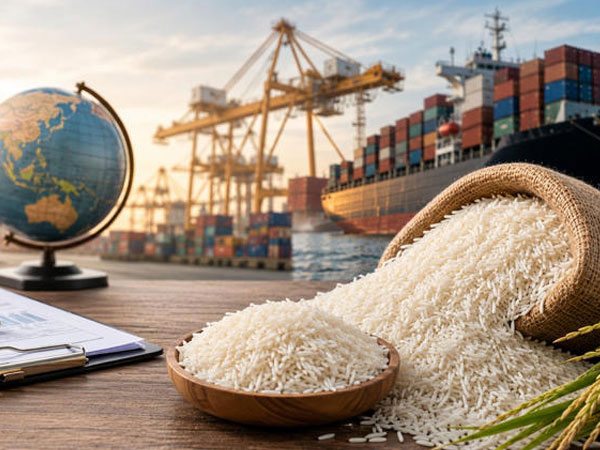
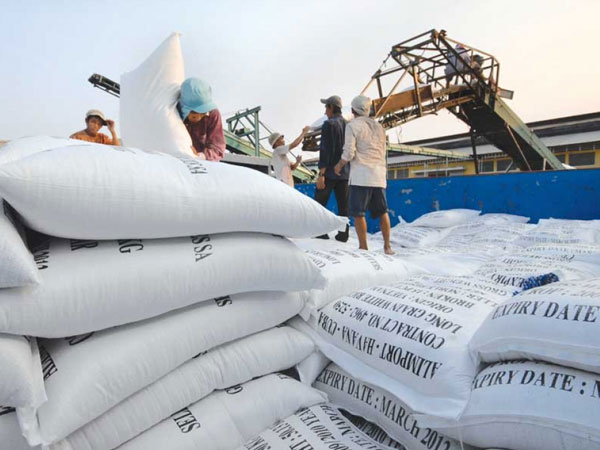
With the Philippines importing up to 30 percent of its food requirements, the question is no longer whether imports are affordable, but whether they are even available. Reliance on imports is no longer viable.
The Philippines must rewild its plate by reclaiming idle lands, diversifying diets and investing in domestic resilience.
Super El Niño threatens rice yields across Southeast Asia, while geopolitical tensions, such as the escalating U.S.-Iran conflict, drive oil prices upward. Rising energy costs cascade into fertilizer, transport and logistics, making food imports prohibitively expensive.
Reclaiming the Filipino plate is not only cultural recovery and climate adaptation. It is also a governance imperative.
By reducing rice intake to 40 percent of daily calories and sourcing the remaining 60 percent from diversified crops, fish and modest meat, the Philippines can sustainably feed 110 million adult Filipinos.
Mobilizing 8 million hectares for rice and diversified lands, alongside urban and community farming, ensures resilience. Rewilding the Filipino plate is cultural recovery, economic strategy and moral resistance in the face of climate and geopolitical shocks.
Diversifying the Filipino diet is both a nutritional imperative and a climate adaptation strategy.
The science of small-space food production
Photosynthesis — the conversion of sunlight, water and nutrients into biomass — remains the foundation of food security.
On average, feeding one adult requires about 2,000 calories per day, which can be met through diverse crops:
Root crops include cassava, sweet potato, taro and yam.
Vegetables include leafy greens, squash, eggplant, okra and beans.
Grains include maize, sorghum, millet and adlai.
Legumes include mung beans, pigeon peas and soybeans.
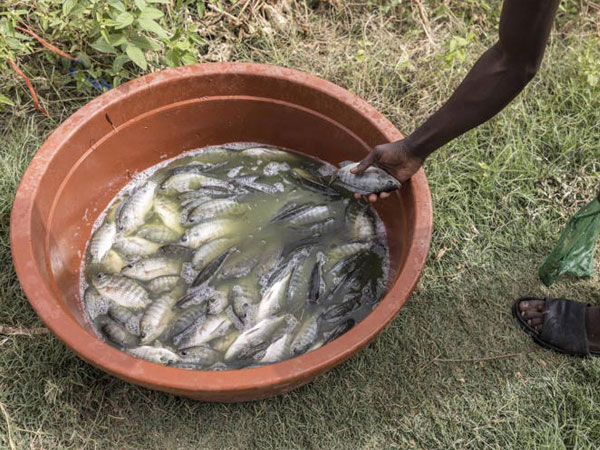
Urban innovations include hydroponics, aquaponics, vertical farming and container gardens.
Feeding one adult requires 2,000 calories a day, or about 730,000 calories a year. Feeding 110 million Filipinos requires 80.3 trillion calories a year.
This can be achieved through distributed production systems, including urban agriculture such as rooftop gardens, hydroponics and aquaponics; community gardens through barangay-led initiatives on idle government lots; school farms that integrate food production into education; and agroforestry systems that intercrop fruit trees with legumes and vegetables.
It also requires rewilding the Filipino plate into a 40-60 Food Mix Model: rice at 40 percent and diversified crops at 60 percent.
Idle lots and marginal lands can collectively meet national demand, reducing reliance on imports vulnerable to climate and geopolitical shocks.
Caloric yield per hectare: Crop comparisons
Rice: 4.1 tons of palay per hectare as baseline, 2.5 tons of milled rice per hectare, about 6.3 million calories per hectare a year under El Niño, feeding about 20 to 25 people.
Maize: 5 tons per hectare, about 17.5 million calories per hectare a year, feeding about 24 to 29 people.
Sweet potato: 10 tons per hectare, about 8.6 million calories per hectare a year, feeding about 12 to 14 people.
Bananas: 15 tons per hectare, about 13.4 million calories per hectare a year, feeding about 18 to 24 people.
Leafy greens: 20 tons per hectare, about 5 million calories per hectare a year, feeding about seven to nine people.
This comparative framework shows that maize and bananas are highly efficient calorie producers, while leafy greens, though lower in calories, are indispensable for micronutrient sufficiency.
Feeding 110 million Filipinos
Under El Niño, rice yields decline by 30 percent, reducing per-hectare output to about 6.3 million calories. Diversified crops, however, average about 11.5 million calories per hectare a year.
Together, one hectare of mixed cultivation can feed 32 Filipinos annually.
Rice requirement, at 40 percent, is 32.12 trillion calories, requiring about 3.48 million hectares.
The diversified requirement, at 60 percent, is 52.6 trillion calories, requiring about 4.6 million hectares.
The total land requirement is about 8 million hectares.
The Philippines has about 12 million hectares of declared agricultural land. Mobilizing 8 million hectares strategically could feed the entire population under El Niño conditions.
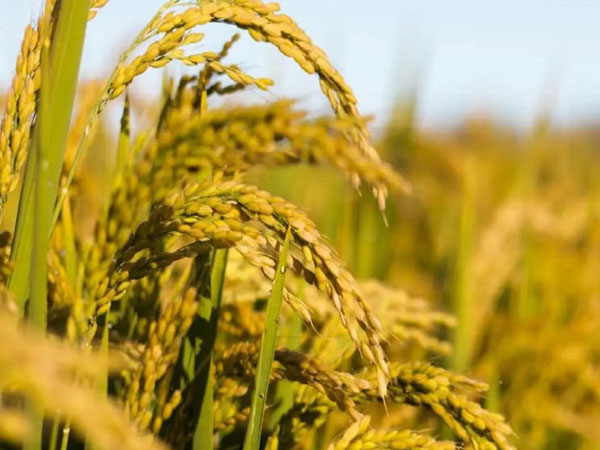
The Philippines’ crop harvest for rice is about 4.8 million hectares annually, with an average yield of 4 tons per hectare under normal conditions. This baseline supply covers a significant portion of national caloric needs. However, under Super El Niño, yields are expected to decline by 30 percent, reducing effective output.
The 40-60 Food Mix Model calls for rice at 40 percent and diversified crops at 60 percent.
Without reduction, rice can supply only 55 percent of national caloric demand at 120 kilograms per capita consumption, with total requirement at 87.6 trillion calories a year.
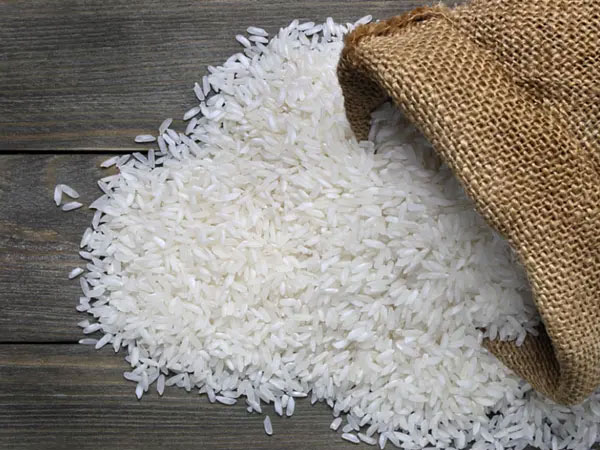
To maintain resilience, rice must be capped at 40 percent of caloric intake, or 80 kilograms a year instead of 120 kilograms a year, with the remaining 60 percent sourced from diversified crops, fish and modest meat consumption.
The Philippines has historically imported up to 30 percent of food requirements, under the assumption that it was “cheaper to import.”
That logic collapses under current conditions, where Super El Niño may reduce yields in Thailand and Vietnam, the Philippines’ main rice suppliers.
Domestic diversification is the only sustainable path.
The Philippines currently has about 12 million hectares of agricultural land. Mobilizing 8 million hectares strategically — through rice lands, idle lots, marginal lands and urban gardens — could feed the entire population under El Niño conditions.


© Copyright 2025 The SSResource Media.
All rights reserved.