

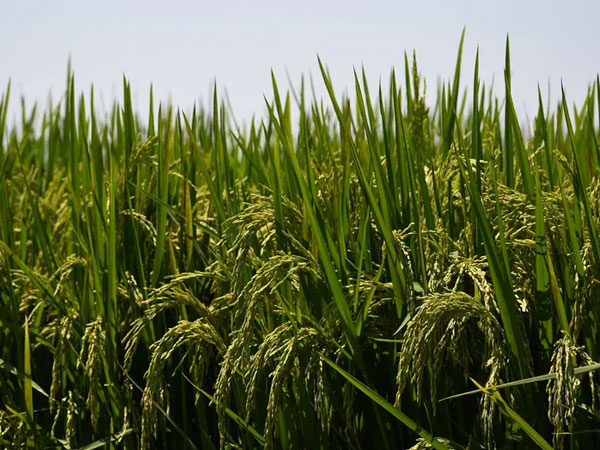
 For U.S. rice farmers, maybe “tariffs” isn’t such a bad word after all. They could help level the playing field for the industry, which simply can’t compete with highly subsidized production in other countries.
At a Glance
A sizeable chunk of rice consumed annually in the U.S. is imported.
The U.S. rice industry hopes for a Section 301 investigation into global trade policies.
Tariffs on foreign rice could help U.S. rice farmers hold on to domestic markets.
This is Part 3 of a three-part series on problems facing the U.S. rice industry this year.
For the U.S. rice industry, traditional trade mechanisms have proven ineffective. Now, the industry prepares to charge ahead with an aggressive solution. The hopes are that a Section 301 investigation will result in tariffs.
Yes, you read that right. Tariffs.
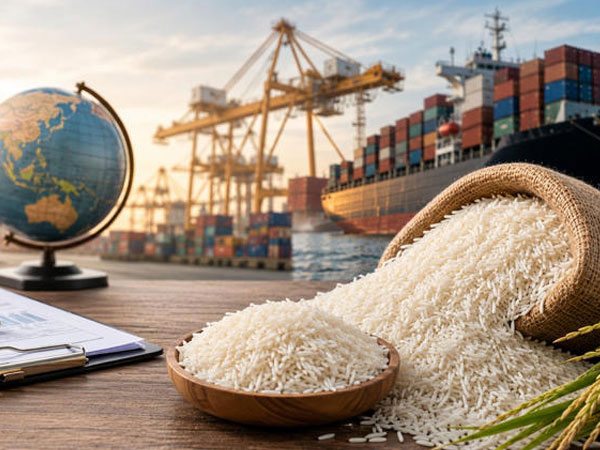
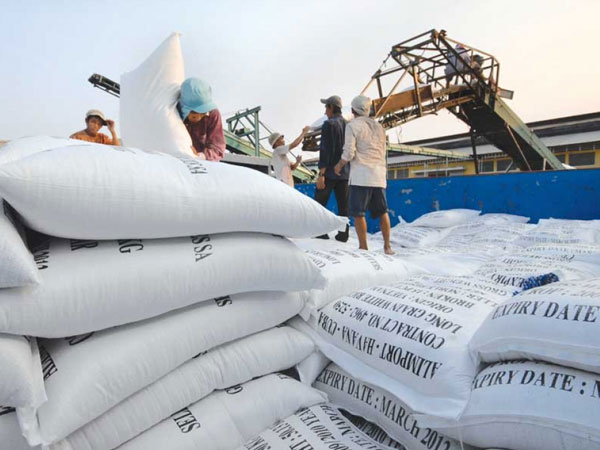
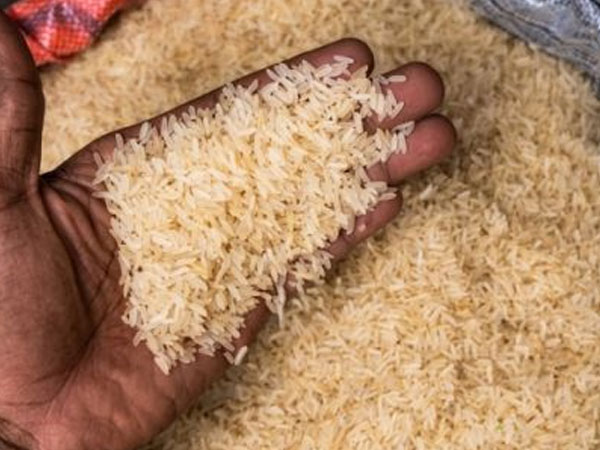
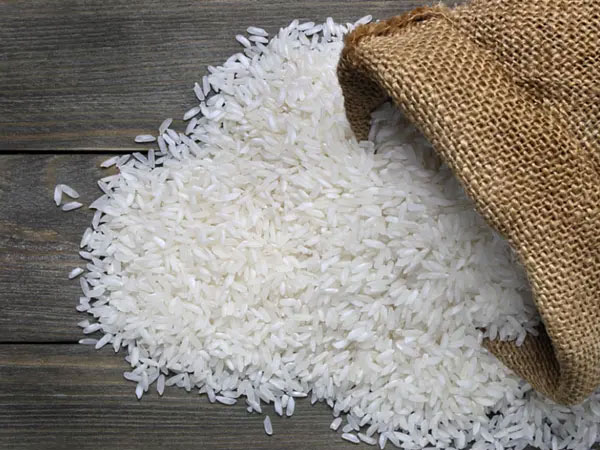
While that is a word that most don’t like to hear, it could make a difference when you consider that 32% of the rice consumed in the U.S. is imported varieties of jasmine and basmati, most of which comes from India, Thailand and Vietnam. From that standpoint, tariffs on those imports are the best approach to shift U.S. consumption toward domestically grown rice.
A Section 301 investigation would be overseen by the office of the United States Trade Representative under the United States Trade Act of 1974. The investigation’s results would determine recommendations made by the USTR to the president, who can then authorize the imposition of tariffs or sanctions on foreign countries that breach international trade agreements.
Peter Bachmann, CEO of USA Rice Federation, explained the end goal of a Section 301 investigation. A small tariff, like 10% to 20%, won’t work in this case.
“In an ideal world, we would see at least a 50% to 60% tariff put in place on all rice imports coming into the United States,” he said. “We know that is not enough to keep all of them out, but it will certainly slow them down.”
Reducing U.S. rice imports
The stakes are enormous. Over the past 20 years, rice imports to the U.S. have grown by 257%, with approximately 800,000 metric tons of jasmine rice alone entering American markets.
Bachmann sees reclaiming even a portion of this market as transformative. “If we could have one chunk of that market — say a quarter of that market — that is worth two or three export markets to us. Two hundred thousand metric tons of milled rice is a lot of rice for the U.S. right now.”
The Section 301 process, based on the U.S. Trade Act provisions for unfair trade practices, would involve an investigation announcement followed by a public comment period and hearing.
“It may be three to five months after the announcement is made that tariffs could go into place,” Bachmann explained, noting that the Trump administration has shown willingness to move quickly on such measures.
Ben Noble, executive vice president and chief operating officer of Riceland Foods, emphasized the industry’s united front. “We are one of the industries that are supporting some of the tariff provisions that have been proposed because with 32% being imported into the United States, we want to slow that down.”
The tariff strategy represents a shift in thinking. Rather than trying to compete globally against subsidized competitors, the focus is on protecting American borders first. “Our best course of action is looking at those tariffs for leverage on the U.S. market alone,” Bachmann said. “That would not only help our exports, but it would also help to give more of our rice a home here in the U.S. than we have seen over the last decade or two.”
Beyond tariffs, USA Rice is building a Western Hemisphere coalition. Bachmann has been a part of visits to Uruguay, Paraguay, Brazil and Argentina over the past two years, meeting with their rice sectors.
“The hope is for these countries to unite, engage with one another, all calling for change through the World Trade Organization,” he explained. These countries all face similar challenges from Indian subsidies and share an interest in creating fairer competition.
The farm bill also plays a role, though industry leaders acknowledge its limitations. Noble commended U.S. Sen. John Boozman (R-Ark.) and the rest of Arkansas’ congressional delegation for its work on the farm bill, noting that “the reference price was increased by 20% through the [One Big Beautiful Bill Act] over its historical support,” but also noted, “It is still not enough to get us through right now.”
Going straight to the World Trade Organization is also not an option for short-term change because that litigation process could take years. In that time frame, the rice industry and milling infrastructure could crumble before our eyes. Plus, no appellate judges are appointed to review any potential ruling.
The tariff approach serves broader strategic purposes for the U.S. As Bachmann noted, the Trump administration views tariffs as leverage.
“Let’s use something to get leverage over countries not playing by the rules, and let’s use tariffs to get their attention and bring them to the table,” he said.
For American rice farmers facing their toughest challenge in generations, these measures represent hope — not for returning to past glory, but for perseverance.
“We just want to be on a level playing field,” Bachmann emphasized. “We don’t expect to have the advantage; we just want to be able to compete.”
The fight is far from over, but the U.S rice industry has chosen its battlefield: protecting domestic markets while building alliances to challenge the subsidies that have distorted global trade. Whether these strategies succeed will determine not just the future of rice farming but the viability of rural communities across the South.





© Copyright 2025 The SSResource Media.
All rights reserved.