

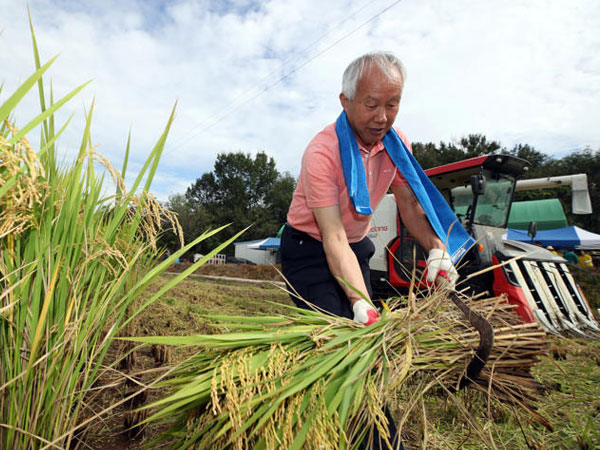
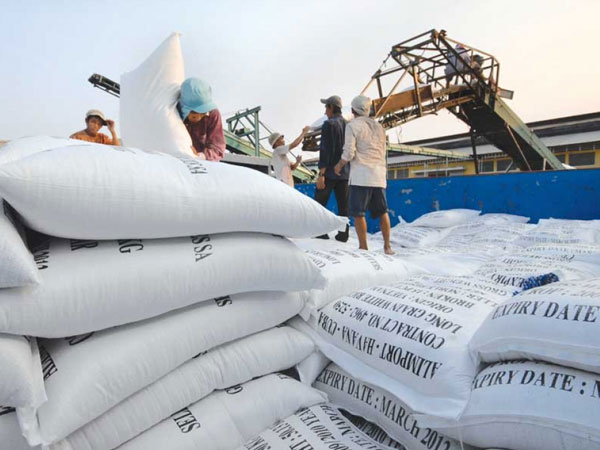
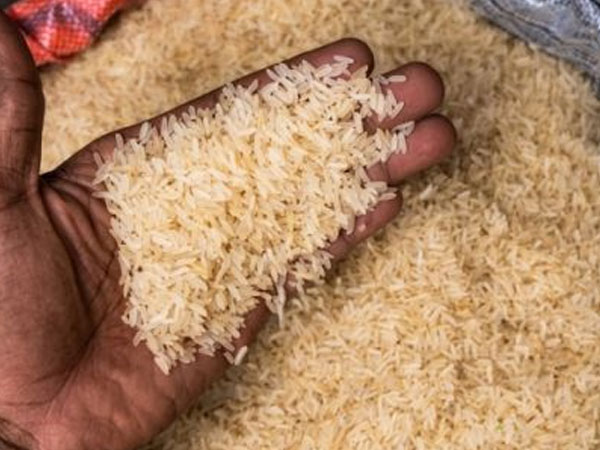
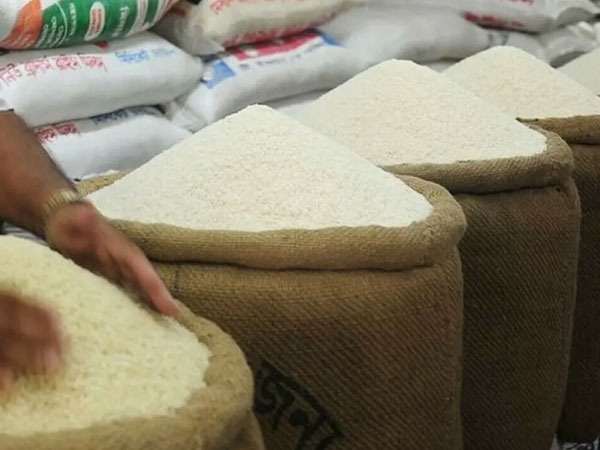
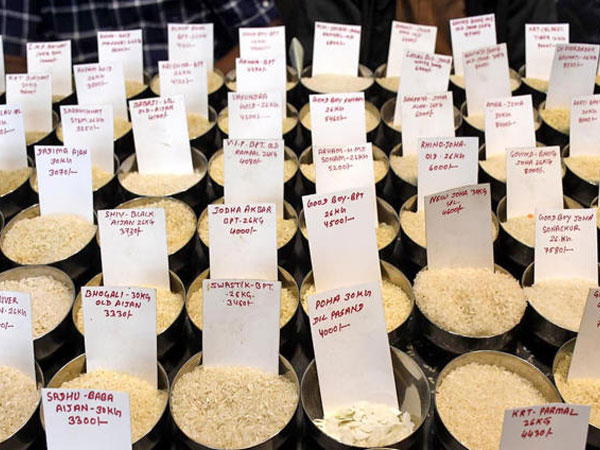
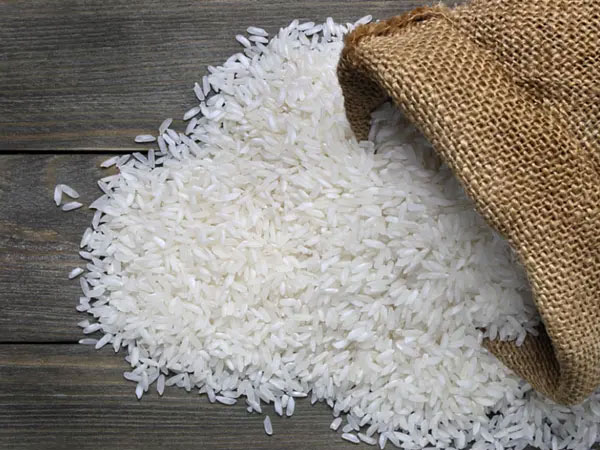
 Rice prices have continued to surge for seven consecutive months. Despite successive government measures, prices remain stubbornly high, driving up overall meal costs.
According to the Korea Agro-Fisheries & Food Trade Corporation as of the 18th, the average retail price of 20 kg of rice was 62,951 Korean won, up 13.7% from a year ago and 16.5% above the average. For 10 kg, the price reached 36,214 Korean won, a 23.1% increase year-on-year and 25.8% higher than the average. Wholesale prices also rose to 57,716 Korean won per 20 kg, up 19.7% from last year and 19.4% above the average. In last month’s consumer price index, rice prices jumped 17.7% year-on-year, nearly nine times the overall inflation rate of 2.0%.
Rice prices broke through the 60,000 Korean won mark for 20 kg in September last year—a psychological resistance level for consumers—and have remained above this threshold for seven months. Song Mi-ryung, Minister of Agriculture, Food and Rural Affairs, predicted, “Prices will decline after the harvest season,” but prices have yet to stabilize. Even after the Ministry of Agriculture, Food and Rural Affairs announced in late last month that it would gradually release 150,000 metric tons of government rice reserves, prices showed little movement.
The surge in rice prices is directly pressuring dining-out costs. Last month, rice cake prices rose 5.1% year-on-year, marking the ninth consecutive monthly increase since a 2.7% rise in June last year. Triangular gimbap (samgak-gimbap) increased by 3.6%, while bibimbap, doenjang-jjigae baekban (Korean set meal), and kimchi-jjigae baekban (Korean set meal) all saw mid-3% increases.
Critics attribute the rice price spike to government policy failures. The Ministry of Agriculture, Food and Rural Affairs isolated 260,000 metric tons from the market during the 2024 harvest season—far exceeding the surplus production of 56,000 metric tons—leading to a supply shortage and subsequent price hikes. In October last year, the ministry announced an additional 100,000 metric tons would be isolated due to excess supply but reversed the plan early this year, restricting 45,000 metric tons for processing and delaying the return of 55,000 metric tons lent to local distributors by a year.
The root cause is cited as flawed demand forecasts, as processed rice consumption last year exceeded projections by approximately 40,000 metric tons. Policies to reduce cultivation areas have also worsened supply shortages. The ministry cut rice paddies by 80,000 hectares last year and plans to reduce them by 90,000 hectares this year.




© Copyright 2025 The SSResource Media.
All rights reserved.