

 Pakistan’s exports of raw food products rose 7.68% year-on-year during the first two months of FY2026-27, reversing the decline recorded in the previous fiscal year as stronger rice shipments led the recovery, according to data compiled by the Pakistan Bureau of Statistics (PBS).
Food imports, meanwhile, increased by a relatively modest 2.23% to $1.503 billion during July-August, compared with $1.470 billion in the corresponding period last year, with higher purchases of tea and milk products contributing to the increase.
The improvement in exports comes after raw food exports fell 29.49% to $5.017 billion in FY2025-26 from $7.116 billion a year earlier. Pakistan’s food import bill, meanwhile, increased 11.66% to $9.150 billion in FY26 from $8.195 billion in FY25.
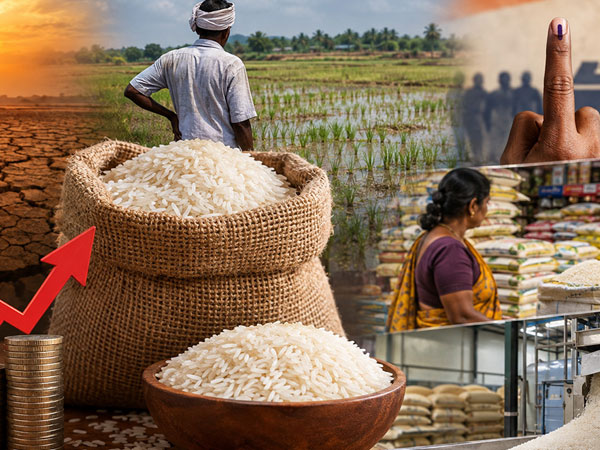
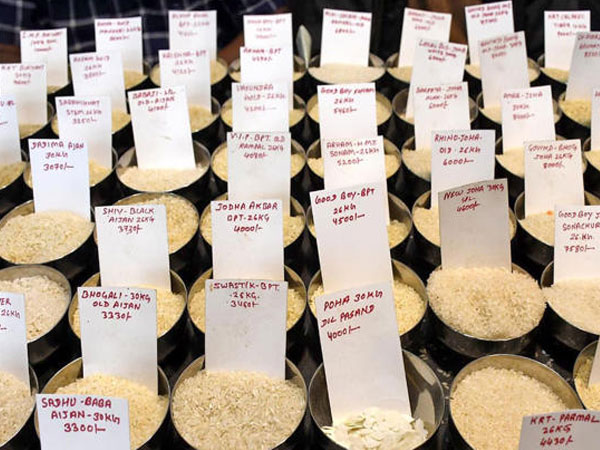
Rice emerged as the main driver of export growth during the first two months of the current fiscal year, with export value increasing 24.68% year-on-year.
Basmati rice exports increased 53.03% in value, while exports of non-basmati varieties rose 9.99%. In volume terms, basmati shipments increased 42.91%, while non-basmati exports were up 14.74%.
The Ministry of Commerce has extended the rice export subsidy scheme until September 30 and increased the Duty Drawback of Local Taxes and Levies rate for non-basmati rice to support exporters facing weaker international demand.
Other food categories recorded mixed performance. Meat exports increased 22.53% during July-August, while fish product exports rose 3.23%.
Tobacco exports more than doubled, rising 121% year-on-year, while spice exports increased 8.29%.
Several other categories, however, recorded declines. Vegetable exports fell 27.28%, while fruit exports dropped 36.42% during the period.
On the import side, palm oil remained the largest food import category, followed by pulses, tea and soyabean oil.
The value of palm oil imports declined 1.41% year-on-year, while imported volumes fell 13.40%. Pulse imports dropped 23.84%, while the value of soyabean oil imports plunged 99%.
In contrast, tea imports increased 28.74%, while imports of milk products rose 20.41%. Imports classified under other food items increased 19.71%.
The government has also approved a plan to import wheat to address shortfalls in domestic production, while it has allowed exports of 200,000 metric tonnes of sugar during the current fiscal year.






© Copyright 2025 The SSResource Media.
All rights reserved.