

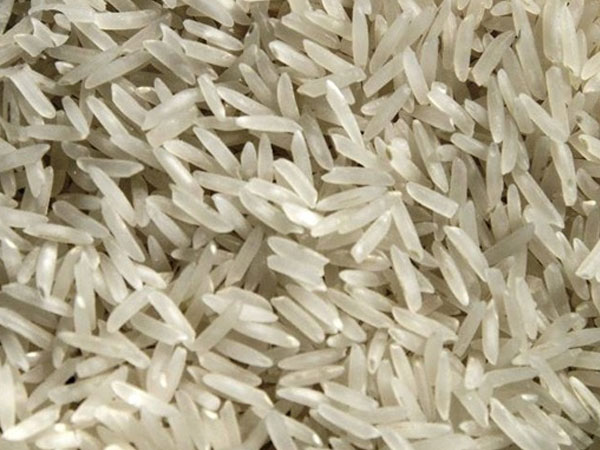
 The Competition Regulatory Authority (ARC) of Mozambique says the proposed model to centralise the importation of rice and wheat at the Mozambique Grain Institute (ICM) not only eliminates competition and innovation in the import market of these commodities but also introduces serious systemic risks to national food security. In other words, there is a risk of total stock shortages and an environment conducive to inefficiency and corruption.
In fulfilling its duty to oversee the activities of various market players, including the State, the ARC analysed the ministerial decision that centralises the import process of rice and wheat, which becomes exclusive to the Instituto de Cereais de Moçambique’ (ICM).
From the analysis carried out, the ARC concludes:
“This constitutes a high-intensity intervention in the market’s operation, likely to eliminate competition in the import market, create economic dependence for downstream operators, and establish a dominant position through regulation, with potential negative effects on economic efficiency and consumer welfare,” reads the opinion issued by the ARC on 6 January 2026 (read the full document, in Portuguese, here ).
The ARC says that the issues cited in the decision, including foreign exchange evasion and double invoicing, can be addressed through alternative, less restrictive and more effective instruments.
“…the proposed model, in addition to eliminating competition and innovation in the import market of the commodities concerned, introduces serious systemic risks to national food security (risk of total stock shortages), may place the Mozambican State in breach of international trade agreements (SADC, WTO, and SACU), and fosters environments conducive to inefficiency and corrupt practices, causing direct harm to consumer welfare,” notes the ARC’s opinion.
Additionally, the ARC concludes that as this is a matter of economic sovereignty, the decision should not have been taken through a decree by the Ministry of Economy.
“The structural reconfiguration of a market for essential goods and the imposition of restrictions on the exercise of private initiative are matters of economic sovereignty that, due to their magnitude, national impact, and restrictive nature on constitutional rights, exceed the regulatory competence of a simple Ministerial Decree,” writes the ARC.
Therefore, it recommends considering the adoption of less restrictive alternative solutions to avoid food supply failures and deter private investment flight. It also recommends that if the centralisation model option is maintained, strict sunset clauses and transparent, objective criteria be implemented.
In light of the government’s decision to exclusively import cereals, mainly rice and wheat, through the ICM, analyst Hélder Jauana told STV Notícias that the measure is positive but must be aligned with the outlined objectives. Meanwhile, Alberto da Cruz expresses some reservations about the objectives and says the measure should be preceded by studies proving the necessity of its implementation, explaining his reasons.







© Copyright 2025 The SSResource Media.
All rights reserved.